ISHN logo
search
cart
facebook twitter linkedin youtube
  • Sign In
  • Create Account
  • Sign Out
  • My Account
ISHN logo
  • NEWS
    • Today's News
    • Global Safety News
    • Government Regulations
  • PRODUCTS
    • Product Innovations
    • Featured Products
  • TOPICS
    • Environmental Health and Safety
    • Facility Safety
    • Workplace Health
    • Occupational Safety
    • PPE
    • More Topics
  • CONSTRUCTION
  • TECHNOLOGY
  • COLUMNS
    • Best Practices
    • Dave Johnson: What’s going on
    • Editorial Comments
    • Leading Safety
  • MULTIMEDIA
    • ISHN Podcast
    • Videos
    • Cold Stress Education Quiz
    • Webinars
    • White Papers
  • MORE
    • Buyer's Guide
    • Newsletters
    • Convention Companion
    • Polls
    • Events
    • ISHN Store
    • Sponsor Insights
  • EMAGAZINE
    • eMagazine
    • Archived Issues
    • Contact
    • Advertise
  • JOIN TODAY!
Today's Safety NewsEnvironmental Health and Safety

A NIOSH Science Blog post

Reducing worker exposure to ETS

By Kathleen Fitzsimmons MPH
December 3, 2013

NIOSHWhat better time than during the American Cancer Society’s  annual Great American Smokeout, to highlight the benefit of  comprehensive smoke-free workplaces  on the health of workers. Furnishing a smoke-free work environment has been shown to both reduce exposure to environmental tobacco smoke (ETS) among non-smokers, and also to decrease smoking among employees. In Massachusetts, recent surveillance findings suggest that one approach to reaching that goal – comprehensive state laws mandating smoke-free workplaces – had a measurable positive impact.  

The U.S. Surgeon General reports that there is no safe level of exposure to ETS, also known as secondhand smoke (USDHHS 2006). Workers can be exposed to ETS in their workplaces if co-workers or members of the public are permitted to smoke. ETS causes lung cancer and heart disease, and is also linked to respiratory diseases. Not only does ETS worsen asthma but it also increases the likelihood of developing asthma.

In 2004, Massachusetts became the third state behind Delaware and New York to pass a comprehensive law, banning smoking in bars, restaurants and non-hospitality workplaces. The Massachusetts Smoke-Free Workplace Law (M.G.L. Ch. 270, § 22) requires all enclosed workplaces with one or more employees to be smoke-free.

We recently presented findings from the Behavioral Risk Factor Surveillance System demonstrating that since the 2004 ban in Massachusetts, the prevalence of ETS exposure at work among non-smokers  declined from 8% in 2003 (the year before the ban was passed) to 5.4% in 2010. At the same time, smoking among workers declined from 18.5% in 2004 to 12.7% in 2010. And while smoking prevalence had been declining before the law was passed, the drop was steeper after it went into effect. These findings suggest that comprehensive smoking bans work, but our results also indicate that there is more work to be done.   

In 2010, prevalence of exposure to ETS at work among non-smokers ranged from 3% to 37% depending on occupation group. The three occupation groups with significantly higher than average prevalence were:

Click here to read the rest of the article.

KEYWORDS: NIOSH smoking and health

Share This Story

Looking for a reprint of this article?
From high-res PDFs to custom plaques, order your copy today!

Recommended Content

JOIN TODAY
to unlock your recommendations.

Already have an account? Sign In

  • forklift safety

    Exploring the latest technologies in forklift safety

    With more staff and more stock in warehousing now more...
    Workplace Training Strategies
    By: Josh Cramer
  • welding

    All about welder’s flash or arc eye

    A flash burn is a painful inflammation of the cornea,...
    Environmental Health and Safety
  • dangerous jobs

    The 10 most dangerous jobs in the U.S.

    On-the-job deaths have been rising — hitting the highest...
    Government Safety Regulations
    By: Benita Mehta
Manage My Account
  • eMagazine Subscriptions
  • ISHN Newsletter & Other Newsletter Alerts
  • Online Registration
  • Manage My Preferences
  • Subscription Customer Service

More Videos

Sponsored Content

Sponsored Content is a special paid section where industry companies provide high quality, objective, non-commercial content around topics of interest to the ISHN audience. All Sponsored Content is supplied by the advertising company and any opinions expressed in this article are those of the author and not necessarily reflect the views of ISHN or its parent company, BNP Media. Interested in participating in our Sponsored Content section? Contact your local rep!

close
  • man wearing the the Sundström SR200 Full Face Mask Respirator
    Sponsored byOHD

    5 Fit Testing Mistakes That Could Cost You

  • This image shows Magid AcuSpex polarized blue mirrored safety glasses.
    Sponsored byMagid Glove and Safety

    Construction PPE Guide: What Crews Need for Each Task

  • lone worker in confined space
    Sponsored byAlphasense Ltd.

    GET THE LEAD OUT of your Safety Oxygen Sensors!

Popular Stories

chemical safety

It Was Just Sugar: Catastrophic Safety Failures in Louisville

Workers in high-visibility clothing descending stairs in an industrial facility.

Faster evacuations and lower operating costs with the SST Series Solution from WatchGas Detection

men working on a construction site in the summer heat

Heat Illness Prevention Begins Long Before Temperatures Rise

top 10 most dangerous jobs

Events

July 21, 2026

When Dust Becomes a Disaster

In this webinar, attendees will gain a foundational understanding of combustible dust hazards, including the conditions that lead to fires and explosions, common ignition sources, and high-risk processes found throughout industry.

View All Submit An Event

Poll

Seasonal Readiness

With the federal heat stress prevention rule on the horizon, which area of your safety program needs the most attention?
View Results Poll Archive

Products

Surviving an OSHA Audit A Management Guide, 2nd Edition

Surviving an OSHA Audit A Management Guide, 2nd Edition

See More Products

ISHN Podcasts

Related Articles

  • COVID vaccine

    5 ways to minimize industrial worker exposure to COVID-19

    See More
  • Labor Secretary Solis: Imperative to act fast to reduce worker exposure to food flavorings containing diacetyl (4/30)

    See More
  • OSHA urges employers to prevent worker exposure to carbon monoxide

    See More

Related Products

See More Products
  • industrial hy.jpg

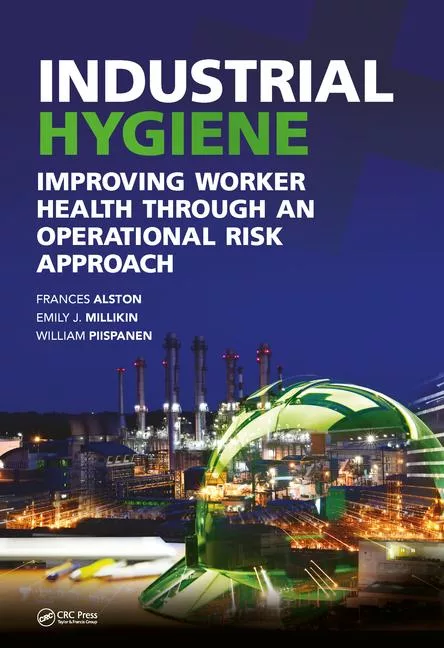
    Industrial Hygiene: Improving Worker Health through an Operational Risk Approach

  • ANSI/AIHA/ASSE Z9.9-2010 Portable Ventilation Systems

See More Products

Related Directories

  • SafetyLine Lone Worker

    SafetyLine Lone Worker helps companies monitor the status of workers who are remote, alone, or working in hazardous situations. We are an automated check-in monitoring and emergency notification service. SafetyLine uses its communications infrastructure to ensure that workers have comprehensive monitoring, 24/7, without the need for costly monitoring centers.
×

Become a Leader in Safety Culture

Build your knowledge with ISHN, covering key safety, health and industrial hygiene news, products, and trends.

JOIN TODAY
  • RESOURCES
    • Advertise
    • Contact Us
    • Directories
    • Manufacturing Division
    • Store
    • Want More
  • SIGN UP TODAY
    • Create Account
    • eMagazine
    • Newsletters
    • Customer Service
    • Manage Preferences
  • SERVICES
    • Marketing Services
    • Reprints
    • Market Research
    • List Rental
    • Survey/Respondent Access
  • STAY CONNECTED
    • LinkedIn
    • Facebook
    • YouTube
    • X (Twitter)
  • PRIVACY
    • PRIVACY POLICY
    • TERMS & CONDITIONS
    • DO NOT SELL MY PERSONAL INFORMATION
    • PRIVACY REQUEST
    • ACCESSIBILITY

Copyright ©2026. All Rights Reserved BNP Media, Inc. and BNP Media II, LLC.

Design, CMS, Hosting & Web Development :: ePublishing