ISHN logo
search
cart
facebook twitter linkedin youtube
  • Sign In
  • Create Account
  • Sign Out
  • My Account
ISHN logo
  • NEWS
    • Today's News
    • Global Safety News
    • Government Regulations
  • PRODUCTS
    • Product Innovations
    • Featured Products
  • TOPICS
    • Environmental Health and Safety
    • Facility Safety
    • Workplace Health
    • Occupational Safety
    • PPE
    • More Topics
  • CONSTRUCTION
  • TECHNOLOGY
  • COLUMNS
    • Best Practices
    • Dave Johnson: What’s going on
    • Editorial Comments
    • Leading Safety
  • MULTIMEDIA
    • ISHN Podcast
    • Videos
    • Cold Stress Education Quiz
    • Webinars
    • White Papers
  • MORE
    • Buyer's Guide
    • Newsletters
    • Convention Companion
    • Polls
    • Events
    • ISHN Store
    • Sponsor Insights
  • EMAGAZINE
    • eMagazine
    • Archived Issues
    • Contact
    • Advertise
  • JOIN TODAY!
Today's Safety NewsEnvironmental Health and SafetyGlobal Safety NewsWorkplace Health

What you should know about ozone
January 14, 2014

air pollutionOzone is a gas that you cannot see or smell. Ozone occurs naturally in the sky about 10 to 30 miles above the earth's surface. Sometimes, this ozone is called "good ozone" because it forms a layer that protects life on earth from the sun's harmful rays.

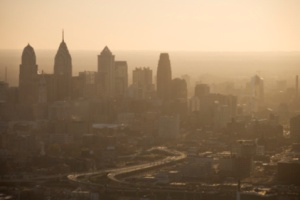
Ground-level ozone, on the other hand, can be bad for your health and the environment. Ground-level ozone forms when pollutants from cars and trucks, power plants, factories, and other sources come in contact with each other in heat and sunlight. Factors such as weather conditions and intensity of sunlight also play a part in how ozone is formed. Ground-level ozone is one of the biggest parts of smog, and it is usually worse in the summer months.

Many urban areas tend to have higher levels of ground-level ozone. However, rural areas have ground-level ozone, too. Wind carries ozone and the pollutants that form it hundreds of miles from their original sources, and rural areas have sources of ozone that contribute to this problem.

Ozone and health

When ozone levels are very high, everyone should be concerned about ozone exposure. But ozone bothers some people more than others, mainly when they are outside. People in these groups may feel the effects of ozone when they are outside for short periods of time, even if they are only doing light activities. Those most likely to be bothered by ozone include

  • people with asthma or lung disease because they will feel the effects of ozone sooner and at lower ozone levels than less-sensitive people.
  • children who spend a lot of time outdoors. Children are also more likely than adults to have asthma, which may be aggravated when they breathe in ozone. Being exposed to ozone for short periods of time over many years may cause children to have more breathing problems as adults.
  • older adults because they are more likely to have heart or lung disease.
  • active people of all ages who exercise or work hard outside because they are in contact with ozone more than people who spend more time indoors.
  • infants because their lungs continue to develop after birth and can be impacted by air pollutants.
  • Many scientific studies have linked ground-level ozone contact to such varied problems as
  • aggravation of asthma, bronchitis, and emphysema
  • coughing and pain when taking a deep breath;
  • higher chance of getting respiratory illness such as pneumonia or bronchitis;
  • lung and throat irritation; and
  • wheezing and breathing difficulties during exercise or outdoor activities.

As a result of these studies, scientists know that breathing in too much ozone can increase events such as

  • use of asthma medication,
  • absences from school,
  • visits to the emergency room and hospital admissions, and
  • premature death from heart and lung disease.

Protect yourself and your family

EPA's Air Quality Index, or AQI, is a tool to help you quickly learn when air pollution is likely to reach unhealthy levels. Local TV stations, radio programs, and newspapers carry these air qualityforecasts to tell you when particle levels are likely to be unhealthy. You can use the AQI to plan your daily activities to reduce exposure to ozone.

Your exposure to ozone depends mainly on where you live and work and how much time you spend outside. When ozone levels are high, you can

  • reduce the amount of time you spend outside;
  • plan outdoor activities when ozone levels are lower, usually in the morning and evening;
  • do easier outdoor activities, such as walking instead of running; and
  • plan indoor activities.

Source: CDC

KEYWORDS: air pollution smog

Share This Story

Looking for a reprint of this article?
From high-res PDFs to custom plaques, order your copy today!

Recommended Content

JOIN TODAY
to unlock your recommendations.

Already have an account? Sign In

  • forklift safety

    Exploring the latest technologies in forklift safety

    With more staff and more stock in warehousing now more...
    Facility Safety
    By: Josh Cramer
  • welding

    All about welder’s flash or arc eye

    A flash burn is a painful inflammation of the cornea,...
    Environmental Health and Safety
  • dangerous jobs

    The 10 most dangerous jobs in the U.S.

    On-the-job deaths have been rising — hitting the highest...
    Transportation Safety
    By: Benita Mehta
Manage My Account
  • eMagazine Subscriptions
  • ISHN Newsletter & Other Newsletter Alerts
  • Online Registration
  • Manage My Preferences
  • Subscription Customer Service

More Videos

Sponsored Content

Sponsored Content is a special paid section where industry companies provide high quality, objective, non-commercial content around topics of interest to the ISHN audience. All Sponsored Content is supplied by the advertising company and any opinions expressed in this article are those of the author and not necessarily reflect the views of ISHN or its parent company, BNP Media. Interested in participating in our Sponsored Content section? Contact your local rep!

close
  • man wearing the the Sundström SR200 Full Face Mask Respirator
    Sponsored byOHD

    5 Fit Testing Mistakes That Could Cost You

  • This image shows Magid AcuSpex polarized blue mirrored safety glasses.
    Sponsored byMagid Glove and Safety

    Construction PPE Guide: What Crews Need for Each Task

  • lone worker in confined space
    Sponsored byAlphasense Ltd.

    GET THE LEAD OUT of your Safety Oxygen Sensors!

Popular Stories

SpaceX 7 launch

OSHA Investigating Fatal Fall at SpaceX Starbase

Worker Impairment

How to Tell When a Co-Worker is Impaired? A Safety Pro’s Challenge

Automated loading dock equipment

After March 2026 Rivian Death, Safety Managers Reassess Loading Dock Systems Under OSHA's Warehouse Emphasis Program

top 10 most dangerous jobs

Poll

Seasonal Readiness

With the federal heat stress prevention rule on the horizon, which area of your safety program needs the most attention?
View Results Poll Archive

Products

Surviving an OSHA Audit A Management Guide, 2nd Edition

Surviving an OSHA Audit A Management Guide, 2nd Edition

See More Products

ISHN Podcasts

Related Articles

  • What you should know about respirator change schedules

    See More
  • What you should know about particulate matter

    See More
  • classroom

    What you should know about dermatitis

    See More

Related Directories

  • MSA - The Safety Co.

    WE KNOW WHAT'S AT STAKE. Unpredictable work environments are often part of the job. That's why it's critically important to have the right safety equipment at the moment it matters most. MSA's complete lines of safety solutions help protect those workers at the heart of your operation.
×

Become a Leader in Safety Culture

Build your knowledge with ISHN, covering key safety, health and industrial hygiene news, products, and trends.

JOIN TODAY
  • RESOURCES
    • Advertise
    • Contact Us
    • Directories
    • Manufacturing Division
    • Store
    • Want More
  • SIGN UP TODAY
    • Create Account
    • eMagazine
    • Newsletters
    • Customer Service
    • Manage Preferences
  • SERVICES
    • Marketing Services
    • Reprints
    • Market Research
    • List Rental
    • Survey/Respondent Access
  • STAY CONNECTED
    • LinkedIn
    • Facebook
    • YouTube
    • X (Twitter)
  • PRIVACY
    • PRIVACY POLICY
    • TERMS & CONDITIONS
    • DO NOT SELL MY PERSONAL INFORMATION
    • PRIVACY REQUEST
    • ACCESSIBILITY

Copyright ©2026. All Rights Reserved BNP Media, Inc. and BNP Media II, LLC.

Design, CMS, Hosting & Web Development :: ePublishing