How California homeowners can cope with wildfire season
NFPA offers tips to prepare, protect homes
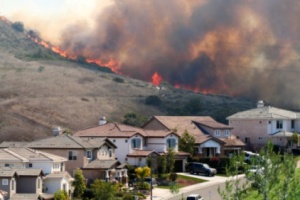 In recent weeks, a number of communities across San Diego County in southern California have been affected by extensive wildfire activity that has scorched more than 9,000 acres and burned at least 30 homes, according to news reports. In some areas, thousands of people have been ordered to evacuate their homes. As high-fire danger warnings continue across Southern California, wildfire safety experts from the National Fire Protection Association’s (NFPA) Firewise® Communities Program and the International Association of Fire Chiefs’ (IAFC) Ready, Set, Go! (RSG) Program encourage residents to prepare their homes for a wildfire, maintain a situational awareness of the fires and evacuate promptly when told by authorities, or earlier if they feel threatened.
Wildfire season is early this year
California residents typically brace for wildfire season in the summer and fall months, but a crippling drought -- the worst in 100 years --record high temperatures and strong winds have been blamed for the increased amount of wildfire activity across the state so early in the year.
Steps outlined in the IAFC’s Ready, Set, Go! wildfire readiness program, in partnership with NFPA’s Firewise Communities Program, address the three major phases of wildfire safety – preparation, situational awareness and survival. Important steps for California residents include:
Ready: Take personal responsibility and prepare long before the threat of a wildfire so your home is ready in case of a fire. Create defensible space by clearing brush away from your home. Use fire-resistant landscaping and harden your home with fire-safe construction measures. Assemble emergency supplies and belongings in a safe spot. Make sure all residents residing within the home are on the same page, and know planned neighborhood escape routes.
Set: Get your family and home prepared at the onset of fire in your area. Gather family pets and have them prepared to evacuate. Pack your vehicle with your emergency items including medication and personal identification. Stay aware of the latest news from local media and your local fire department for updated information on the fire. Be prepared to evacuate.
Go: Do not linger once evacuation orders have been given. Leave early and stay gone until your area has been cleared for return by local officials. Promptly leaving your home and neighborhood clears roads for firefighters to get equipment in place. Prompt action also ensures you and your family’s safety.
Property owners are reminded that they can take action to prepare home ignition zones by limiting the opportunity for wind-driven embers to ignite vulnerable roofs and decks or enter vents in homes and other structures.
Tips for California residents to prepare their property:
Clear leaves and other debris from gutters, eaves, porches and decks – and don’t use these areas for storage of flammable items. This helps prevent embers from igniting these materials.
Keep lawns hydrated and maintained. Dry grass and shrubs are fuel for wildfire.
Remove flammable materials within five feet of the home’s foundation and outbuildings, including garages and sheds. If it can catch fire, don’t let it touch the house, deck or wood fencing.
Reduce vegetation surrounding the home’s perimeter from a 5 foot to 30 foot area and manage vegetation there to 200 feet or the property line, depending on the area’s wildfire risk. NFPA’s "basics of defensible space and the home ignition zone" page on the Firewise site provides these and other steps for homeowners to help them prepare homes/home landscapes to resist wildfire.
How everyone can prepare for wildfire:
Obey outdoor burning bans. Don’t burn trash or debris when conditions are dry or windy.
If camping or hunting, check local restrictions on campfires. Use an approved gas stove as an alternative for heating and cooking. If charcoal grills are permitted, use them only over fire proof surfaces such as asphalt or bare mineral soil.
Dispose of smoking materials properly. Extinguish them in an ashtray. Don’t throw them out your window.
Avoid parking and idling in dry grass. Catalytic converters can get hot enough to ignite the grass.
Keep water available when using welding equipment or cutting torches around grass and brush. A five-gallon bucket of water with a tote sack in it could prove valuable if sparks or hot pieces of metal catch nearby grass on fire.
Avoid setting hot chainsaws or other gas-powered equipment in dry grass, which could ignite after coming into contact with hot mufflers.
Create a Family Disaster Plan that includes meeting locations and communications plans. To obtain a copy, visit your local RSG fire department or contact RSG! Program staff at RSG@iafc.org.
A comprehensive Firewise tips checklist and safety guidelines sheet for homeowners are also available.
Learn more about how to keep families safe and reduce homeowners’ risk for wildfire damage on NFPA’s wildfire division web page. Additionally, complimentary brochures, booklets, pamphlets, videos and much more can be found on the wildfire preparedness page and ordered online through NFPA’s online wildfire safety catalog.
Looking for a reprint of this article?
From high-res PDFs to custom plaques, order your copy today!