The new ASSP Certification and Accreditation Institute LLC , an independent entity of the American Society of Safety Professionals (ASSP), has begun working with companies to certify their workplace safety and health processes to established standards that demonstrate a commitment to quality.
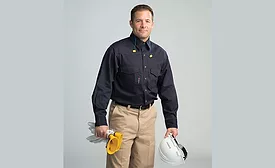
From Westex by Milliken: Keep your hazard prevention process up to date
August 21, 2018
Hazards never stand still — and neither do the NFPA’s standards for preventing them. Is your company up to date on the latest requirements for arc flash and flash fire protection?
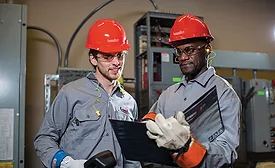
By its directive, the electrical safety standard, NFPA 70E®, calls upon employers, contractors and employees to work together and, through an expanded risk assessment, clearly define a means by which compliance can be achieved for the protection of all involved.
The total cost of safety cannot be underestimated. A life is priceless. Direct costs such as worker’s compensation, medical and legal expenses, and indirect safety costs such as training, accident investigation, implementation of corrective measures, lost productivity, equipment and property repairs add up quickly.
A startling diet development, the OSH usefulness of workers comp data and more teens may be doing hazardous work. These were among the top stories featured on ISHN.com this week.
OSHA has cited ArtiFlex Manufacturing for exposing workers at its Wooster location to amputation hazards after an employee suffered a partial finger amputation. The company faces $213,411 in proposed penalties.
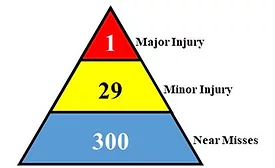
Occupational safety and health specialists study past work-related illnesses and injuries to understand how to prevent future ones. More than 80 years ago, the occupational safety and health pioneer Herbert Heinrich used this approach to devise the so-called “safety triangle.”
Some years ago, I sat in a boardroom full of health & safety professionals who were all scratching their heads, determined that there must be a better way to make safety information free and accessible for public use. Questions were fired back and forth across the table, like:
“Why can’t we have one place to go to get all the policies, best practices and legislative guidelines instead of having to reinvent the wheel?”
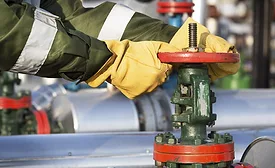
A blowout and massive fire at an oil well in Pittsburg County, Oklahoma January 22, 20118 occurred shortly after drilling crew members removed the drill pipe from the well in a process known as “tripping,” according to the U.S. Chemical Safety Board (CSB), which has found that that conditions existed that could have allowed a gas influx into the wellbore during the tripping operation.
Poison Food, Poisoned Workers: Eyal Press of The Intercept writes about chronic health problems that have plagued Jessica Robertson since she began working as a part-time U.S. Department of Agriculture poultry inspector at a turkey processing plant, most likely from peracetic acid which is used to remove bacteria from the carcasses of chickens and turkeys.
 RSS
RSS