ISHN logo
search
cart
facebook twitter linkedin youtube
  • Sign In
  • Create Account
  • Sign Out
  • My Account
ISHN logo
  • NEWS
    • Today's News
    • Global Safety News
    • Government Regulations
  • PRODUCTS
    • Product Innovations
    • Featured Products
  • TOPICS
    • Environmental Health and Safety
    • Facility Safety
    • Workplace Health
    • Occupational Safety
    • PPE
    • More Topics
  • CONSTRUCTION
  • TECHNOLOGY
  • COLUMNS
    • Best Practices
    • Dave Johnson: What’s going on
    • Editorial Comments
    • Leading Safety
  • MULTIMEDIA
    • ISHN Podcast
    • Videos
    • Cold Stress Education Quiz
    • Webinars
    • White Papers
  • MORE
    • Buyer's Guide
    • Newsletters
    • Convention Companion
    • Polls
    • Events
    • ISHN Store
    • Sponsor Insights
  • EMAGAZINE
    • eMagazine
    • Archived Issues
    • Contact
    • Advertise
  • JOIN TODAY!

Resilience in the face of catastrophe: Hurricane Sandy’s lesson for organizations

By Scott Stricoff
November 20, 2012
Posted on November 13, 2012 by Scott Stricoffof BST, a Dekra Company www.bstsolutions.com

When Hurricane Sandy devastated the Northeast the New York Stock Exchange was closed for two days.

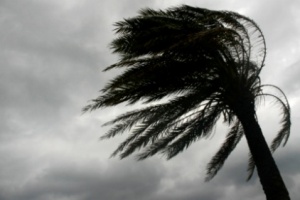
This was surprising, since more than 25 years ago the NYSE had decided that it needed contingency plans so that there would never be an interruption of trading longer than 24 hours. The NYSE conducted a risk analysis to assess the potential sources of business interruption, and also created an alternative trading floor outside of Manhattan, to which NYSE activity could be shifted.hurricane
As is true with most contingency plans, this was never called upon.

In 2006 the NYSE acquired an electronic trading system, and decided that the contingency alternative could be shifting to 100% electronic trading, so that the alternative physical trading floor was no longer needed and was eliminated.

When Sandy impacted New York the NYSE attempted to invoke its contingency plan, but was unable to do so as other trading platforms, which use the NYSE to make trades and set prices, reportedly didn’t trust the plan and balked at going live (Investment News, October 31, 2012.) Despite having more than 25 years of planning for emergencies that could interfere with NYSE operations, when it came time to put the plan into practice it failed to meet expectations.

In any man-made system things can go wrong and there is a generally recognized need to have contingency plans. However, having plans is insufficient if the organization is not strong in the characteristic we call Resilience.

Resilience refers to the ability of the organization to intervene in the incipient or early stages of adverse events, taking appropriate action to prevent these situations from escalating and becoming major events. Resilience depends on having people who can recognize the need to intervene, who understand the implications of alternative actions so they can make the appropriate choice of action, and who are willing to take action. Achieving resilience requires the right combination of knowledge and training with leadership actions to create a culture supporting resilience.

We often see breakdowns of resilience that lead to safety problems, and this often results from individuals not really believing that the organization wants them to take action.

For example operators may be reluctant to initiate emergency shutdown of a process even when they have been trained to do so. We have seen this occur when the culture that has inadvertently been created tells people that production supersedes safety. This can happen when workers perceive that interfering with production will lead to adverse consequences (e.g., hours and hours of second-guessing in “fact finding” interviews), or when they perceive that people who ignore safety procedures and take “heroic” actions to maintain production are celebrated.

It is important for leaders to understand the importance of resilience to preventing serious and catastrophic incidents, and that these leaders reinforce the culture that supports resilience. By doing so, leaders best leverage their people and create an important extra layer of protection against the occurrence of serious incidents.

Share This Story

Scott Stricoff is president of BST. Scott oversees BST's consulting and client partnerships in the transportation and utilities industries, government sector, and other arenas to enhance safety management and culture. Scott is a noted thought leader with demonstrated expertise in process safety and hazard analysis, occupational health and safety, and environmental and public health. Scott is co-author of the book "The Manager’s Guide to Workplace Safety," which was released in fall 2012.

Recent Comments

In addition to the personal hardship and loss...

No one will know the answer to this...

Bad drivers don't have to ruin your day...

Healthcare workers face a number of serious safety...

In my experience, truck drivers are treated with...

Manage My Account
  • eMagazine Subscriptions
  • ISHN Newsletter & Other Newsletter Alerts
  • Online Registration
  • Manage My Preferences
  • Subscription Customer Service

More Videos

Sponsored Content

Sponsored Content is a special paid section where industry companies provide high quality, objective, non-commercial content around topics of interest to the ISHN audience. All Sponsored Content is supplied by the advertising company and any opinions expressed in this article are those of the author and not necessarily reflect the views of ISHN or its parent company, BNP Media. Interested in participating in our Sponsored Content section? Contact your local rep!

close
  • man wearing the the Sundström SR200 Full Face Mask Respirator
    Sponsored byOHD

    5 Fit Testing Mistakes That Could Cost You

  • This image shows Magid AcuSpex polarized blue mirrored safety glasses.
    Sponsored byMagid Glove and Safety

    Construction PPE Guide: What Crews Need for Each Task

  • lone worker in confined space
    Sponsored byAlphasense Ltd.

    GET THE LEAD OUT of your Safety Oxygen Sensors!

Popular Stories

SpaceX 7 launch

OSHA Investigating Fatal Fall at SpaceX Starbase

dust explosion

Tennessee OSHA Issues Record $3.1M Fine After Deadly Explosion at Munitions Plant

Worker Impairment

How to Tell When a Co-Worker is Impaired? A Safety Pro’s Challenge

top 10 most dangerous jobs

Poll

Seasonal Readiness

With the federal heat stress prevention rule on the horizon, which area of your safety program needs the most attention?
View Results Poll Archive

Products

Surviving an OSHA Audit A Management Guide, 2nd Edition

Surviving an OSHA Audit A Management Guide, 2nd Edition

See More Products

ISHN Podcasts

×

Become a Leader in Safety Culture

Build your knowledge with ISHN, covering key safety, health and industrial hygiene news, products, and trends.

JOIN TODAY
  • RESOURCES
    • Advertise
    • Contact Us
    • Directories
    • Manufacturing Division
    • Store
    • Want More
  • SIGN UP TODAY
    • Create Account
    • eMagazine
    • Newsletters
    • Customer Service
    • Manage Preferences
  • SERVICES
    • Marketing Services
    • Reprints
    • Market Research
    • List Rental
    • Survey/Respondent Access
  • STAY CONNECTED
    • LinkedIn
    • Facebook
    • YouTube
    • X (Twitter)
  • PRIVACY
    • PRIVACY POLICY
    • TERMS & CONDITIONS
    • DO NOT SELL MY PERSONAL INFORMATION
    • PRIVACY REQUEST
    • ACCESSIBILITY

Copyright ©2026. All Rights Reserved BNP Media, Inc. and BNP Media II, LLC.

Design, CMS, Hosting & Web Development :: ePublishing