It is important, as part of pre-construction protocols to identify hazardous building materials before beginning a restoration or remediation project. Although there are many hazardous building materials, the most common include asbestos, lead, mercury, polychlorinated biphenyls (PCB), chlorofluorocarbons, and radioactive sources.
Painting is common across many manufacturing facilities and doesn’t appear to be particularly dangerous on the surface. Despite all appearances, workers in these areas may encounter more health hazards than they realize.
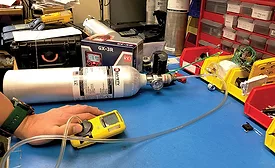
When monitoring your work environment for toxic gases, you need to make sure your monitor is properly calibrated for your target gas, such as chlorine, carbon monoxide, or your readings may be inaccurate.
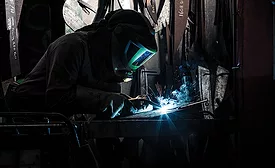
The International Agency for Research on Cancer’s re-classification of welding fume as a Class 1 carcinogen has emphasized the health risks welders face. Previously classified as “possibly carcinogenic to humans,” welders should take every precaution possible to protect their health.
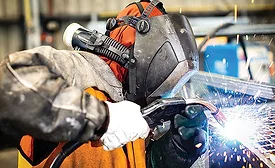
Welding and welding safety are nothing new to us all. While welding equipment today has dramatically improved, the fumes generated remain hazardous and are classified as a carcinogen. Has respiratory protection for welders improved to the same degree?
Many manufacturers use one of two options to clear the air of welding fumes – filter the dirty air and recirculate clean air inside the facility, or exhaust the dirty air outside and provide clean replacement air from outside.
Q. What is a fume plume? A. A fume plume is the clearly visible column of fume that rises directly from the spot of welding or cutting. Welders and cutters should take precautions to avoid breathing this area directly. Ventilation can direct the plume away from the face. (Fume removal is most effective when the air flow is directed across the face of the welder, rather than from behind.)
Metalworking facilities and welding shops must be diligent in controlling dust and fumes containing harmful metal particulate. Fortunately, there are proven controls to maintain a healthy work environment.
One manufacturing company implemented a new fume collection system to not only improve working conditions for its employees but to increase the overall efficiency and safety of their plant.
Daylight Savings Time ends Sunday, November 6, 2016. As you prepare to set your clocks backward one hour, remember to check the batteries in your carbon monoxide (CO) detector. If you don’t have a battery-powered or battery back-up CO alarm, now is a great time to buy one.