How the UK manufacturing sector is tackling waste
Reducing environmental footprint is becoming a global priority
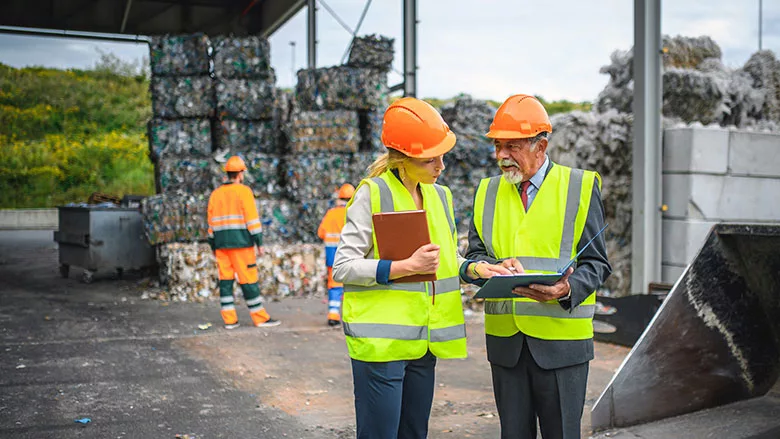
Photo credit: AzmanL / E+ / Getty Images Plus
The manufacturing sector is a huge contributor to waste in the UK, with the UK government estimating that in 2020, it generated around 40.4 million tons of commercial and industrial waste. This is an outstanding amount of waste produced, particularly with Plastics Europe finding that the annual waste production equates to almost 8.9 million tons.
With this significant amount having a huge impact on the environment, a high priority for the sector is managing the waste and reducing the annual levels created. Scott Hawthorne from Skips & Bins, a provider of skip hire in the UK, has offered some industry-level insight into how the industry is working to mitigate waste production.
Reduction of single-use plastic
Plastic has become the most common man-made material produced, accounting for more than 380 million tons globally per year. Despite these huge amounts, a study from the Ellen MacArthur Foundation and the World Economic Forum found that only 14% of all plastic packaging is collected for recycling.
This can be difficult for manufacturers as it filters throughout the supply chain, but there is plenty that can be done to better your own company’s standing. One way to do this is to re-evaluate your packaging use. You may discover that you can reuse clean packaging materials, use recycled and recyclable materials, or even reduce the amount of packaging required to reduce waste.
As increased focus is placed on finding alternatives to single-use plastics, many manufacturers are now designing products with their entire lifecycle in mind. This involves considering the ease of disassembly, the recyclability of materials, and the potential for components to be reused. For instance, companies in the electronics industry are developing modular products that can be easily upgraded or repaired, thereby extending their lifespan and reducing the volume of electronic waste.
The food waste crisis
While manufacturing as a sector is most closely associated with materials such as plastic, scrap metal, plaster, and chemicals, it’s estimated that more than two-thirds of manufacturing waste comes from biological sources. One of these is food waste, with the UK being one of the largest offenders, with more than 6.4 million tonnes of edible food being thrown away annually.
Finding solutions for manufacturers to reduce food waste is crucial to reducing the amount of waste. One method that’s been researched and confirmed for its viability is anaerobic digestion, which involves collecting and transferring the waste into a tank deprived of oxygen, breaking it down with microorganisms. Biogas is produced and can be converted into electricity generation. With 1.3 million tons of food waste broken down annually, it’s capable of powering 200,000 homes throughout the UK.
By prioritizing sending food waste to digestion plants and working to create a more circular economy within the supply chain, it can not only reduce physical waste but also help to reduce the industry's greenhouse gas emissions, protect the environment's biodiversity, and require much less energy for production.
The dangers of handling and disposing of hazardous waste
The manufacturing industry works with many other sectors, meaning that some of the waste produced can be classified as hazardous. Whether waste is hazardous or non-hazardous is covered by the European Sustainability Reporting Standard but often refers to materials that are a threat to the health of humans and the environment.
Scott Hawthorne stressed the importance of hazardous waste as an area that manufacturing must focus efforts to improve: “Within the manufacturing industry, you’re working with a multitude of sectors that can range from expired medication and needles from the medical sector to industrial solvents and asbestos. Not only can these contribute significantly to landfills, but the damage they can do to the human body and the environment should be a reason enough for the sector to keep on top of the waste produced.
“Prioritizing the safe handling and disposal of this waste will be a huge factor in the future of the sector and something that will constantly develop. This could be through emerging tech that helps to identify materials that are dangerous to human and environmental health, or auditing the sectors your business works with to mitigate the amount of harmful materials produced.”
The manufacturing sector is undergoing a significant transformation as it tackles the challenge of waste. Regulatory and consumer pressures further reinforce the importance of these efforts, making waste reduction not just an environmental imperative but a business necessity. As these trends continue to evolve, the manufacturing industry has the potential to become a leader in sustainability, setting an example for other sectors to follow.
Sources
UK statistics on waste
https://www.gov.uk/government/statistics/uk-waste-data/uk-statistics-on-waste
Plastics – the Facts 2022
https://plasticseurope.org/wp-content/uploads/2022/10/PE-PLASTICS-THE-FACTS_V7-Tue_19-10-1.pdf
Plastic Pollution Facts
https://plasticoceans.org/the-facts/
The New Plastics Economy: Rethinking the future of plastics
https://www.ellenmacarthurfoundation.org/the-new-plastics-economy-rethinking-the-future-of-plastics
Manufacturing Waste Guide 2024
https://www.wastemanaged.co.uk/our-news/industrial/manufacturing-waste-guide
No Food Left Behind (Part 2): How UK Manufacturers Can Solve the Food Waste Crisis
https://www.klipspringer.com/blogs/no-food-left-behind-part-2-how-uk-manufacturers-can-solve-the-food-waste-crisis/
Three food waste facts everyone needs to know
https://www.which.co.uk/news/article/three-food-waste-facts-everyone-needs-to-know-aIHRD3H1gpEv
https://www.skipsandbins.com/type/4-yard-skip-hire/
Looking for a reprint of this article?
From high-res PDFs to custom plaques, order your copy today!