Packaged PPE for arc flash protection
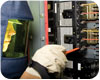
Technically speaking, an arc flash is an electrical breakdown of the resistance of air resulting in an electric arc that can occur where there is sufficient voltage in an electrical system and a path to ground or lower voltage. In more layman’s terms, an arc flash is a short circuit that flashes from one exposed live conductor to another, or to ground. The resulting ionized air creates superheated plasma that can reach temperatures of 5,000° F and can result in considerable damage, including fire and/or injury. For this reason, it is important that all individuals who work on electrical systems wear appropriate arc flash personal protective equipment (PPE).
Package your protection
Although many organizations sell arc flash apparel individually (i.e., all items of clothing are sold separately), the trend of packaging arc flash clothing and accessories in convenient arc flash kits continues to grow. These intuitive kits include all of the necessary PPE garments and accessories to ensure worker safety: head protection, hand protection and garments.
Flame-resistant clothing, when sold in an arc flash kit, is often purchased as task-oriented clothing. A user may put on arc flash PPE - a short coat, bib overalls, gloves and an arc flash hood - over an existing uniform or shirt and pant to perform a specific task, and then take off these items after completing the task. In the case of putting on a high voltage arc flash suit, an employee is putting on more than five pieces of PPE, specific to the task at hand. “Kitting” the arc flash gear necessary for a task at a certain hazard risk level ensures that all equipment necessary for worker protection is readily available, and most importantly, worn.
Arc flash kits provide flame resistance and arc protection in a wide range of arc ratings. This allows you to get as close as possible to a rating that may have been identified by an arc flash assessment without adding unnecessary weight to your workers. In the case of hazard risk category two (HRC2), as defined by NFPA 70E®: Standard for Electrical Safety in the Workplace, an arc flash kit that achieves the HRC2 minimum 8 cal/cm2, may weigh 6-7 ounces per square yard; whereas a garment that achieves the maximum arc rating for HRC2, 24 cal/cm2, is going to be much heavier - 13 ounces per square yard or more. This is a noticeable difference when lifting the garment, and is certainly noticeable when wearing the garment in a high-temperature environment.
Common types of fabric used for arc flash kit garments include:
- Inherent flame-resistant fabric
- 100% flame-resistant (FR) treated cotton
- Flame-resistant cotton blend treated fabric: often a blend of 88 percent flame-resistant cotton and 12 percent high-tenacity nylon
What to look for when purchasing
- Protection level: First and foremost, the arc flash kit must meet the level of protection necessary for the tasks to be performed.
- Wearer comfort: Because task-oriented clothing is often worn over an existing layer of clothing, it’s important to keep the wearer as cool as possible by using a lightweight fabric. There are many new lightweight fabric alternatives, and the industry continues to evolve.
- Correct labeling: An arc rating should be clearly marked on the label of a garment to be used for electrical safety. All manufacturers should test each of these material ensembles in combination to ensure the arc rating, and should be able to provide test data upon request.
- A combination that suits your needs: Arc flash kits can include an assortment of garments: short jacket and bibs, long coats and leggings or coveralls. Head protection options vary by the level of protection needed, as do glove options. If you have an insulated rubber g love program in place, purchase a kit without gloves. Review and analyze your existing PPE to see if a kit could complement your task-oriented protection options.
- Other considerations: An arc flash kit - especially at higher levels of protection - is a significant monetary investment. Consider the wear life and longevity of fabrics, and the quality of faceshields within the arc hood, and their attachments.
What to wear underneath?
Arc rated, flame-resistant clothing is the obvious choice to wear beneath your arc flash task-oriented garments. NFPA 70E also permits ‘non-melting, flammable fire garments’ - e.g. cotton - to be worn beneath your flame-resistant clothing. If the outer layers of arc flash FR clothing break open during an arc event, the flame-resistant clothing beneath your arc flash kit will continue to provide protection. These flame-resistant garments can include underwear, tees, jeans, work shirts and work pants.
Convenience of a kit
Because of the vast assortment of fabrics and garments that can be combined to form arc flash kits, these items are clearly a wise purchase decision.
All of the pieces needed in order to provide full body protection are kept in one location, with the exception of footwear. Minimize the concerns of improper gear or a lack of gear by enclosing it in one kit. Because a user does not wear this task-oriented clothing every day or all day, an arc flash kit insures that all pieces are donned when arc protection is needed in a certain area, or for a certain task.
These convenient kits make purchasing PPE a much simpler and faster process.
Looking for a reprint of this article?
From high-res PDFs to custom plaques, order your copy today!


