ASSE tips tell motorists how to drive safely in bad weather conditions (12/9)
The American Society of Safety Engineers (ASSE), in a recent press statement, offered the following tips to improve roadway safety during winter weather travel:
Knowledge: Before leaving home, find out about the driving conditions.
Clear: Remove any snow on your vehicle’s windows, lights, brake lights, roof and signals. Make sure you can see and be seen.
Inspect: Check your vehicle’s tires, wiper blades, fluids, lights, belts and hoses. A breakdown is bad on a good day and dangerous on a bad-weather day.
Time: Leave plenty of time to reach your destination safely.
Seatbelts/Caution: Always wear your seatbelt and properly restrain children in the back seat of a vehicle. Slow down and proceed with caution.
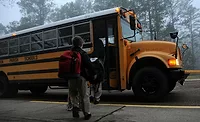
Don’t be Distracted While Driving: As of today, a total of 17 states and Washington, D.C., prohibit texting while driving for all drivers; 21 states and D.C. prohibit novice drivers from any type of cell phone use; 16 states and D.C. do not allow school bus drivers to use their cell phones in any way while working. Distracted driving is deadly even in good weather.
Don’t Speed: The faster you’re going, the longer it will take to stop. When accelerating on snow or ice, take it slow to avoid slipping or sliding.
Distance: Give yourself space. It takes extra time and extra distance to bring your car to a stop on slick and snowy roads. Leave extra room between you and the vehicle in front of you.
Brake: Brake early, brake slowly, brake correctly and never slam on the brakes. If you have anti-lock brakes, press the pedal down firmly and hold it. If you don’t have anti-lock brakes, gently pump the pedal. Either way, give yourself plenty of room to stop.
Control: When driving on ice and snow, do not use cruise control and avoid abrupt steering maneuvers. When merging into traffic, take it slow. Sudden movements can cause your vehicle to slide.
Vision: Be aware of what’s going on well ahead of you. Actions by other vehicles will alert you to problems more quickly, and give you that split-second of extra time to react safely.
First Snow or Ice: Drivers often aren’t prepared for winter driving and forget to take it slow. Remember to drive well below the posted speed limit and leave plenty of room between cars.
Black Ice: Roads that seem dry may actually be slippery — and dangerous. Take it slow when approaching intersections, off-ramps, bridges or shady areas — all are hot spots for black ice.
Limited Visibility: Stay attentive and reduce speed. Know what’s going on around you.
Four-Wheel Drive: It is suggested that when driving on snow and ice, go slowly, no matter what type of vehicle you drive. Even if you have an SUV with four-wheel drive you may not be able to stop any faster, or maintain control any better, once you lose traction.
Skid: If in a skid, turn the steering into the skid, easing off the accelerator but not breaking suddenly.
If stranded or stalled stay in your vehicle and wait for help. Drivers should carry a cell phone or two-way radio, with a charged battery, in order to call for help and notify authorities of their location. Motorists should also have an emergency kit in their vehicle along with additional warm clothing.
Additionally, an employer whose employees drive in areas that experience cold and inclement weather should consider equipping each vehicle with a winter storm kit that includes blankets, a flashlight, cell phone with charger and extra batteries, a shovel, first-aid kit, non-perishable food, extra warm clothes, water container and more. Hypothermia is a potentially dangerous exposure during extremely cold winter months. Employees can suffer from hypothermia when they lose body temperature in cold weather as a result of exposure.
Employers and employees should consider taking the following steps to be safe on the road in winter weather:
Knowledge: Before leaving home, find out about the driving conditions.
Clear: Remove any snow on your vehicle’s windows, lights, brake lights, roof and signals. Make sure you can see and be seen.
Inspect: Check your vehicle’s tires, wiper blades, fluids, lights, belts and hoses. A breakdown is bad on a good day and dangerous on a bad-weather day.
Time: Leave plenty of time to reach your destination safely.
Seatbelts/Caution: Always wear your seatbelt and properly restrain children in the back seat of a vehicle. Slow down and proceed with caution.
Don’t be Distracted While Driving: As of today, a total of 17 states and Washington, D.C., prohibit texting while driving for all drivers; 21 states and D.C. prohibit novice drivers from any type of cell phone use; 16 states and D.C. do not allow school bus drivers to use their cell phones in any way while working. Distracted driving is deadly even in good weather.
Don’t Speed: The faster you’re going, the longer it will take to stop. When accelerating on snow or ice, take it slow to avoid slipping or sliding.
Distance: Give yourself space. It takes extra time and extra distance to bring your car to a stop on slick and snowy roads. Leave extra room between you and the vehicle in front of you.
Brake: Brake early, brake slowly, brake correctly and never slam on the brakes. If you have anti-lock brakes, press the pedal down firmly and hold it. If you don’t have anti-lock brakes, gently pump the pedal. Either way, give yourself plenty of room to stop.
Control: When driving on ice and snow, do not use cruise control and avoid abrupt steering maneuvers. When merging into traffic, take it slow. Sudden movements can cause your vehicle to slide.
Vision: Be aware of what’s going on well ahead of you. Actions by other vehicles will alert you to problems more quickly, and give you that split-second of extra time to react safely.
First Snow or Ice: Drivers often aren’t prepared for winter driving and forget to take it slow. Remember to drive well below the posted speed limit and leave plenty of room between cars.
Black Ice: Roads that seem dry may actually be slippery — and dangerous. Take it slow when approaching intersections, off-ramps, bridges or shady areas — all are hot spots for black ice.
Limited Visibility: Stay attentive and reduce speed. Know what’s going on around you.
Four-Wheel Drive: It is suggested that when driving on snow and ice, go slowly, no matter what type of vehicle you drive. Even if you have an SUV with four-wheel drive you may not be able to stop any faster, or maintain control any better, once you lose traction.
Skid: If in a skid, turn the steering into the skid, easing off the accelerator but not breaking suddenly.
If stranded or stalled stay in your vehicle and wait for help. Drivers should carry a cell phone or two-way radio, with a charged battery, in order to call for help and notify authorities of their location. Motorists should also have an emergency kit in their vehicle along with additional warm clothing.
Additionally, an employer whose employees drive in areas that experience cold and inclement weather should consider equipping each vehicle with a winter storm kit that includes blankets, a flashlight, cell phone with charger and extra batteries, a shovel, first-aid kit, non-perishable food, extra warm clothes, water container and more. Hypothermia is a potentially dangerous exposure during extremely cold winter months. Employees can suffer from hypothermia when they lose body temperature in cold weather as a result of exposure.
Employers and employees should consider taking the following steps to be safe on the road in winter weather:
- Plan ahead and allow plenty of time to travel — businesses should maintain information on employee driving destinations, driving routes and estimated time of arrivals. Be patient while driving in winter conditions as travel time can increase in snow, sleet or ice;
- Make sure vehicles are winterized — before driving have a mechanic look at the battery, antifreeze, wipers and windshields washer fluid, ignition system, thermostat, lights, flashing hazard lights, exhaust system, heater, brakes, defroster, tire tread and oil level. Carry a windshield scraper for ice and snow removal.
- Check weather conditions before traveling — a National Weather Service winter storm watch alerts the public of the possibility of a blizzard, heavy snow, freezing rain or heavy sleet; a winter storm warning is issued when a combination of heavy snow, heavy freezing rain or heavy sleet is expected; and a winter weather advisory is issued when accumulations of snow, freezing rain, freezing drizzle and sleet may cause significant inconvenience and moderately dangerous conditions.
Looking for a reprint of this article?
From high-res PDFs to custom plaques, order your copy today!