ISHN logo
search
cart
facebook twitter linkedin youtube
  • Sign In
  • Create Account
  • Sign Out
  • My Account
ISHN logo
  • NEWS
    • Today's News
    • Global Safety News
    • Government Regulations
  • PRODUCTS
    • Product Innovations
    • Featured Products
  • TOPICS
    • Environmental Health and Safety
    • Facility Safety
    • Workplace Health
    • Occupational Safety
    • PPE
    • More Topics
  • CONSTRUCTION
  • TECHNOLOGY
  • COLUMNS
    • Best Practices
    • Dave Johnson: What’s going on
    • Editorial Comments
    • Leading Safety
  • MULTIMEDIA
    • ISHN Podcast
    • Videos
    • Cold Stress Education Quiz
    • Webinars
    • White Papers
  • MORE
    • Buyer's Guide
    • Newsletters
    • Convention Companion
    • Polls
    • Events
    • ISHN Store
    • Sponsor Insights
  • EMAGAZINE
    • eMagazine
    • Archived Issues
    • Contact
    • Advertise
  • JOIN TODAY!
Today's Safety NewsEnvironmental Health and Safety

The information you need about…

Protecting hearing and preventing hearing loss
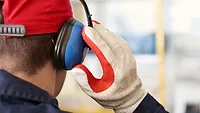
December 28, 2014

hearing protectionSource: www.NIOSH.gov

Noise-induced hearing loss is the most common work-related illness in the United States. Each year, an estimated 22 million U.S. workers encounter noise exposures loud enough to be potentially hazardous. In addition to damaging workers' quality of life, occupational hearing loss can carry a high economic price to society.

What are the Risk Factors?

Occupational hearing loss occurs as a result of workers' exposure to loud noise. In fact, the National Institute for Occupational Safety and Health (NIOSH) recommends that workers should not be exposed to noise at a level that amounts to more than 85 decibels (dBA) for 8 hours. The level of risk is influenced by several factors:

  • Noise level – as noise level increases, the risk also increases
  • Duration of exposure – the longer the noise lasts, the more hazardous it becomes
  • Impulsiveness – noises that have very abrupt starts and stops (such as hammering, gunfire, or fireworks) are more dangerous than constant noise of the same overall level
  • Intermittency – periods of relative quiet between exposures allow the ear to "rest" and reduce the risk

Learn more about Noise and Hearing Loss Prevention.

Ototoxic chemicals can also affect hearing. Workplace chemicals that pose a threat to hearing include:

  • Organic solvents – e.g., toluene, styrene, xylene, ethylbenzene, trichloroethylene
  • Heavy metals – e.g., mercury, lead, trimethyltin
  • Asphyxiants – e.g., carbon monoxide, hydrogen cyanide
  • Endocrine disrupters – e.g., Aroclor 1254, Acrylonitrile

All workers are not equally vulnerable to occupational hearing loss. Certain biological factors such as gender, age, race/ethnicity, genetics, and health issues can influence a worker's susceptibility to the effects of noise.

The ear does not experience pain in the same way the rest of the body does. If your ears feel stuffy or full your ears are telling you that you have potentially harmed them. Ringing or roaring in your ears indicate a serious noise exposure, which if continued could lead to permanent damage and hearing loss.

Develop a Hearing Loss Prevention Program

In order to minimize occupational risks and reduce work-related hearing loss, companies and organizations should consider implementing a Hearing Loss Prevention Program. Critical components to any Hearing Loss Prevention Program include:

  • Noise exposure monitoring
  • Engineering and administrative controls
  • Audiometric evaluation
  • Hearing protection devices
  • Education and motivation
  • Record keeping
  • Program evaluation

To create a more healthful workplace, the NIOSH recommends preventing hazardous noise through controls for noise exposure and encourages employers to create Buy Quiet programs as a first step. Learn more about Buy Quiet by visiting our website.

Hearing protection: a practical step

Although removal or control of hazardous noise from the workplace is the best solution, hearing protectors should be used in situations where dangerous noise exposures have not yet been eliminated. NIOSH has developed tools that provide valuable information about hearing protection devices.

Hearing Protector Device Compendium is a comprehensive searchable database of hearing protection devices. This web tool was created to help workers and safety professionals select the most appropriate product for their unique environment. The tool identifies hearing protector devices by type, manufacturer, and noise exposure level.

NIOSH HPD Well-Fit™ can quickly and inexpensively test the performance of hearing protection. This fit-testing technology is a significant advancement in efforts to preserve workers' hearing. HPD Well-FitTM utilizes technology that is built into just about every computer sold today, requires only 4-7 minutes to measure HPD performance, and can be used with any earplug. 

Click here to learn more.

KEYWORDS: hearing conservation hearing loss hearing protection NIOSH

Share This Story

Looking for a reprint of this article?
From high-res PDFs to custom plaques, order your copy today!

Recommended Content

JOIN TODAY
to unlock your recommendations.

Already have an account? Sign In

  • forklift safety

    Exploring the latest technologies in forklift safety

    With more staff and more stock in warehousing now more...
    Workplace Training Strategies
    By: Josh Cramer
  • welding

    All about welder’s flash or arc eye

    A flash burn is a painful inflammation of the cornea,...
    Environmental Health and Safety
  • dangerous jobs

    The 10 most dangerous jobs in the U.S.

    On-the-job deaths have been rising — hitting the highest...
    Occupational Safety
    By: Benita Mehta
Manage My Account
  • eMagazine Subscriptions
  • ISHN Newsletter & Other Newsletter Alerts
  • Online Registration
  • Manage My Preferences
  • Subscription Customer Service

More Videos

Sponsored Content

Sponsored Content is a special paid section where industry companies provide high quality, objective, non-commercial content around topics of interest to the ISHN audience. All Sponsored Content is supplied by the advertising company and any opinions expressed in this article are those of the author and not necessarily reflect the views of ISHN or its parent company, BNP Media. Interested in participating in our Sponsored Content section? Contact your local rep!

close
  • man wearing the the Sundström SR200 Full Face Mask Respirator
    Sponsored byOHD

    5 Fit Testing Mistakes That Could Cost You

  • This image shows Magid AcuSpex polarized blue mirrored safety glasses.
    Sponsored byMagid Glove and Safety

    Construction PPE Guide: What Crews Need for Each Task

  • lone worker in confined space
    Sponsored byAlphasense Ltd.

    GET THE LEAD OUT of your Safety Oxygen Sensors!

Popular Stories

SpaceX 7 launch

OSHA Investigating Fatal Fall at SpaceX Starbase

Worker Impairment

How to Tell When a Co-Worker is Impaired? A Safety Pro’s Challenge

Automated loading dock equipment

After March 2026 Rivian Death, Safety Managers Reassess Loading Dock Systems Under OSHA's Warehouse Emphasis Program

top 10 most dangerous jobs

Poll

Seasonal Readiness

With the federal heat stress prevention rule on the horizon, which area of your safety program needs the most attention?
View Results Poll Archive

Products

Surviving an OSHA Audit A Management Guide, 2nd Edition

Surviving an OSHA Audit A Management Guide, 2nd Edition

See More Products

ISHN Podcasts

Related Articles

  • Sound reasons: Preventing hearing loss

    See More
  • hearing protection

    Preventing Hearing Loss in Construction: NIOSH Study Identifies High-Risk Noise-Exposed Workers

    See More
  • Preventing hearing loss

    See More

Events

View AllSubmit An Event
  • September 22, 2016

    Bang! Damage from impulse noise and the effectiveness of hearing protection

    Some of the most hazardous sounds we hear are brief sounds – noises from impacts and impulses. These arise from sources like household tools, construction, industrial noise, firecrackers, guns, and even automotive airbags.
View AllSubmit An Event
×

Become a Leader in Safety Culture

Build your knowledge with ISHN, covering key safety, health and industrial hygiene news, products, and trends.

JOIN TODAY
  • RESOURCES
    • Advertise
    • Contact Us
    • Directories
    • Manufacturing Division
    • Store
    • Want More
  • SIGN UP TODAY
    • Create Account
    • eMagazine
    • Newsletters
    • Customer Service
    • Manage Preferences
  • SERVICES
    • Marketing Services
    • Reprints
    • Market Research
    • List Rental
    • Survey/Respondent Access
  • STAY CONNECTED
    • LinkedIn
    • Facebook
    • YouTube
    • X (Twitter)
  • PRIVACY
    • PRIVACY POLICY
    • TERMS & CONDITIONS
    • DO NOT SELL MY PERSONAL INFORMATION
    • PRIVACY REQUEST
    • ACCESSIBILITY

Copyright ©2026. All Rights Reserved BNP Media, Inc. and BNP Media II, LLC.

Design, CMS, Hosting & Web Development :: ePublishing