Skin wellness
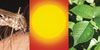
Skin care in the workplace has been moving to the forefront the past several years. Some areas of concern for employers include protecting workers from the sun’s harmful rays; insect carrying diseases such as West Nile virus and Lyme disease; poisonous plants including poison ivy, poison oak and poison sumac; and transmittable diseases from body contact such as the H1N1 virus.
The skin is the largest organ on the human body, and OSHA has long stated that protection of the employee includes skin care as well as other areas such as proper eye and hearing protection. Yet protecting eyes, ears and other areas of the body resonates loud and clear with employers while wellness programs for skin care are not as front and center.
Why?
Skin care has the perception of being more subjective than protecting other areas of the body. Employees express concerns regarding fragrance, feel and texture. But these individual concerns of employees, although important, cannot supersede your main concern as an employer: implementing skin wellness programs using skin care products that meet or exceed FDA, EPA and OSHA mandates, regulations and standards. By simply making compliant skin care products available to workers, the employer’s responsibility is complete.
Product specification assistance:
- Sunscreen: Must meet or exceed the current FDA sunscreen monograph and have available test results proving those claims. They should have a minimum 15SPF claim, 30SPF is recommended. For complete protection, sunscreen should have both UVA and UVB protection claims.
- Insect Repellent: Should include the active ingredient “DEET”. Both CDC and EPA consider DEET as the “Gold Standard” when repelling disease-carrying insects. A DEET-based insect repellent has been tested and proved to be the most effective way to prevent West Nile virus, Lyme diseases and malaria.
- Poisonous Plant Protection: Poisonous plants are the eighth most common reason for work loss among outdoor workers. Make available an effective skin barrier product that is effective in helping to protect outdoor workers from the skin irritation and blisters caused by poisonous plant oils. Just as important, have a skin cleanser product that effectively emulsifies and removes poisonous plant oils that standard soap and water won’t remove.
- Hand & Skin Sanitizer: Use a 62-percent ethyl alcohol based hand sanitizer with 99.9-percent kill claim. Alcohol-based products have a drying effect on the skin, so be sure the ingredient deck includes aloe vera gel and vitamins A & E to replace skin moisture and start skin repair.
Implementing affordable skin wellness programs
Understanding this is a direct cost to the employer, it’s important to consider economics when developing skin wellness programs. Select products that best fit your ability to distribute to employees. Consider single-dose towelette foil packs that are easy to make available, monitor and are economical. Also consider bulk containers like gallon jugs, one ounce or larger bottles or wall-mounted dispensing systems for maximum application costs. Do your due diligence and develop a simple, affordable and compliant program that meets the required employer obligations and assures your employees that they are using effective skin care products for maximum efficiency and protection.
Looking for a reprint of this article?
From high-res PDFs to custom plaques, order your copy today!