ISHN logo
search
cart
facebook twitter linkedin youtube
  • Sign In
  • Create Account
  • Sign Out
  • My Account
ISHN logo
  • NEWS
    • Today's News
    • Global Safety News
    • Government Regulations
  • PRODUCTS
    • Product Innovations
    • Featured Products
  • TOPICS
    • Environmental Health and Safety
    • Facility Safety
    • Workplace Health
    • Occupational Safety
    • PPE
    • More Topics
  • CONSTRUCTION
  • TECHNOLOGY
  • COLUMNS
    • Best Practices
    • Dave Johnson: What’s going on
    • Editorial Comments
    • Leading Safety
  • MULTIMEDIA
    • ISHN Podcast
    • Videos
    • Cold Stress Education Quiz
    • Webinars
    • White Papers
  • MORE
    • Buyer's Guide
    • Newsletters
    • Convention Companion
    • Polls
    • Events
    • ISHN Store
    • Sponsor Insights
  • EMAGAZINE
    • eMagazine
    • Archived Issues
    • Contact
    • Advertise
  • JOIN TODAY!
Today's Safety NewsEnvironmental Health and Safety

Study: Needlestick safety act dramatically decreased sharps injuries
March 9, 2012

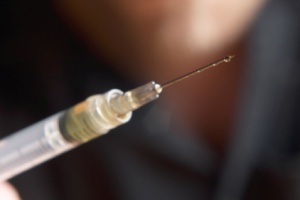
health careThe Needlestick Safety and Prevention Act (NSPA) signed into law in 2000 was followed by a 38% drop in sharps injuries among hospital employees, according to a new study reported on in the New England Journal of Medicine.

The NSPA required employers to provide safety-engineered devices to employees who are at risk for exposure to bloodborne pathogens, to include frontline workers in selecting these devices, to review exposure-control plans at least annually to ensure that they reflect advances in sharps-safety technology, and to maintain sharps-injury logs that specify required details about the injury. It also mandated that OSHA revise the Bloodborne Pathogens Standard in 2001, incorporating these requirements.2

Researchers used data from 1995-2005 obtained from a multihospital sharps-injury database maintained by the International Healthcare Worker Safety Center at the University of Virginia. The time period selected which included 23,908 injuries that occurred in 85 hospitals in 10 states.

Once NSPA went into effect, there was a 38% decrease in reported needlestick injuries.Subsequent injury rates, through 2005, remained well below pre-NSPA rates.

The study's authors noted that OSHA's Bloodborne Pathogens Standard, which required safer practices, had been in effect since 1991, and the early adoption of safety-engineered sharp devices also occurred before the passage of the NSPA.

"However, the significant decrease in these rates did not occur until the year after its passage, suggesting that this particular legislation had an independent effect. This reduction in percutaneous injuries was concomitant with a steep market shift from conventional to safety-engineered devices and an increase in the number of OSHA citations for violation of the revised standard for handling bloodborne pathogens — two factors directly linked to the legislation."

Since percutaneous injuries are the most frequent route of transmission in occupationally acquired infections due to bloodborne pathogens, the researchers expect a proportional decrease in occupational morbidity and mortality from these pathogens. Therre is currently no national postexposure surveillance data to confirm this assumption.

"Our findings provide evidence that the NSPA contributed to the decline in percutaneous injuries among U.S. hospital workers. They also support the concept that well-crafted legislation bolstered by effective enforcement can be a motivating factor in the transition to injury-control practices and technologies, resulting in a safer work environment and workforce."

The study was conducted by Elayne K. Phillips, B.S.N., Ph.D.; Mark R. Conaway, Ph.D.; Janine C. Jagger, M.P.H., Ph.D. of the University of Virginia, Charlottesville, VA.

Study results are online at: www.nejm.org/doi/full/10.1056/NEJMc1110979

KEYWORDS: bloodborne hospital

Share This Story

Looking for a reprint of this article?
From high-res PDFs to custom plaques, order your copy today!

Recommended Content

JOIN TODAY
to unlock your recommendations.

Already have an account? Sign In

  • forklift safety

    Exploring the latest technologies in forklift safety

    With more staff and more stock in warehousing now more...
    Workplace Training Strategies
    By: Josh Cramer
  • welding

    All about welder’s flash or arc eye

    A flash burn is a painful inflammation of the cornea,...
    Environmental Health and Safety
  • dangerous jobs

    The 10 most dangerous jobs in the U.S.

    On-the-job deaths have been rising — hitting the highest...
    Construction Industry Safety and Health
    By: Benita Mehta
Manage My Account
  • eMagazine Subscriptions
  • ISHN Newsletter & Other Newsletter Alerts
  • Online Registration
  • Manage My Preferences
  • Subscription Customer Service

More Videos

Sponsored Content

Sponsored Content is a special paid section where industry companies provide high quality, objective, non-commercial content around topics of interest to the ISHN audience. All Sponsored Content is supplied by the advertising company and any opinions expressed in this article are those of the author and not necessarily reflect the views of ISHN or its parent company, BNP Media. Interested in participating in our Sponsored Content section? Contact your local rep!

close
  • man wearing the the Sundström SR200 Full Face Mask Respirator
    Sponsored byOHD

    5 Fit Testing Mistakes That Could Cost You

  • This image shows Magid AcuSpex polarized blue mirrored safety glasses.
    Sponsored byMagid Glove and Safety

    Construction PPE Guide: What Crews Need for Each Task

  • lone worker in confined space
    Sponsored byAlphasense Ltd.

    GET THE LEAD OUT of your Safety Oxygen Sensors!

Popular Stories

SpaceX 7 launch

OSHA Investigating Fatal Fall at SpaceX Starbase

Automated loading dock equipment

After March 2026 Rivian Death, Safety Managers Reassess Loading Dock Systems Under OSHA's Warehouse Emphasis Program

psychology in the workplace

Most Workplaces Measure Psychological Safety, Ignoring Psychosocial Risks

top 10 most dangerous jobs

Poll

Seasonal Readiness

With the federal heat stress prevention rule on the horizon, which area of your safety program needs the most attention?
View Results Poll Archive

Products

Surviving an OSHA Audit A Management Guide, 2nd Edition

Surviving an OSHA Audit A Management Guide, 2nd Edition

See More Products

ISHN Podcasts

Related Articles

  • 320,000+ sharps injuries a year among U.S. health care workers

    See More
  • Starbucks

    Starbucks taking steps to protect workers from sharps injuries

    See More
  • NIOSH unveils new system for tracking sharps injuries

    See More

Related Products

See More Products
  • 3E

    Safety Professional's Reference and Study Guide, Third Edition

  • 9780367861148.jpg

    LEAD Safety A Practical Handbook for Frontline Supervisors and Safety Practitioners

See More Products
×

Become a Leader in Safety Culture

Build your knowledge with ISHN, covering key safety, health and industrial hygiene news, products, and trends.

JOIN TODAY
  • RESOURCES
    • Advertise
    • Contact Us
    • Directories
    • Manufacturing Division
    • Store
    • Want More
  • SIGN UP TODAY
    • Create Account
    • eMagazine
    • Newsletters
    • Customer Service
    • Manage Preferences
  • SERVICES
    • Marketing Services
    • Reprints
    • Market Research
    • List Rental
    • Survey/Respondent Access
  • STAY CONNECTED
    • LinkedIn
    • Facebook
    • YouTube
    • X (Twitter)
  • PRIVACY
    • PRIVACY POLICY
    • TERMS & CONDITIONS
    • DO NOT SELL MY PERSONAL INFORMATION
    • PRIVACY REQUEST
    • ACCESSIBILITY

Copyright ©2026. All Rights Reserved BNP Media, Inc. and BNP Media II, LLC.

Design, CMS, Hosting & Web Development :: ePublishing