ISHN logo
search
cart
facebook twitter linkedin youtube
  • Sign In
  • Create Account
  • Sign Out
  • My Account
ISHN logo
  • NEWS
    • Today's News
    • Global Safety News
    • Government Regulations
  • PRODUCTS
    • Product Innovations
    • Featured Products
  • TOPICS
    • Environmental Health and Safety
    • Facility Safety
    • Workplace Health
    • Occupational Safety
    • PPE
    • More Topics
  • CONSTRUCTION
  • TECHNOLOGY
  • COLUMNS
    • Best Practices
    • Dave Johnson: What’s going on
    • Editorial Comments
    • Leading Safety
  • MULTIMEDIA
    • ISHN Podcast
    • Videos
    • Cold Stress Education Quiz
    • Webinars
    • White Papers
  • MORE
    • Buyer's Guide
    • Newsletters
    • Convention Companion
    • Polls
    • Events
    • ISHN Store
    • Sponsor Insights
  • EMAGAZINE
    • eMagazine
    • Archived Issues
    • Contact
    • Advertise
  • JOIN TODAY!
Columns

EDITORIAL COMMENTS: Revolution in the air

May 1, 2005
Later this month NASA’s space shuttle program is scheduled to resume with the launch of shuttle Discovery, more than two years after shuttle Columbia disintegrated upon re-entry, taking the lives of all seven crew members and exposing the space agency’s ignored and neglected safety culture, according to investigators.

As the launch date nears stories are popping all over the Internet quoting ex-astronauts and unnamed employees that nothing has really changed. Deadline pressure still prevails over safety concerns. Safety people are bullied into silence.

“We’re operating the same way,” James Wetherbee, the first astronaut to command five shuttle missions, told USA Today. Wetherbee resigned from his job on the safety staff at the Johnson Space Center because he felt “ineffective on the inside.” Upper-level managers didn’t want to change, he charged.

John Young, who commanded Columbia on the first shuttle flight in 1981, told USA Today, “It’s an attitude thing. A lot of people around here think… you don’t need to do (safety upgrades) because nothing’s ever going to happen.” Young retired as an associate director at Johnson in 2004.

Neither former astronaut believes the Discovery flight is at risk, but both question if NASA’s highly-publicized culture change campaign — involving perception surveys, individual interviews, leadership coaching and employee training to promote candor and upward communication — will have a lasting effect.

A good start

Behavioral Science Technology, holding a multi-year, multi-million-dollar contract with NASA to facilitate culture improvements, claims reform efforts are off to a good start. “Solid, measurable progress has been made,” said BST President R. Scott Stricoff in a statement. Many NASA personnel say low-level staffers challenge safety decisions more regularly and managers are listening more closely, according to news reports.

The media’s appetite for NASA stories needs to be fed as launch day approaches — “As shuttle flight nears, safety again an issue” — was a headline in the New York Times. But truth be told, it’s awfully early in the culture change game to be making any kind of judgments.

Let’s put it in human terms. NASA was created in 1958. So say you’re a 47-year-old man or woman. You’ve spent your entire life raised within a macho, can-do “family.” There are codes of conduct, expectations, and you’re a team player. Successes have far outnumbered failures, you’ve been rewarded for risk-taking. You’re supremely confident.

Now you find yourself on the “coach’s couch.” You’re told your attitude, habits and beliefs must change. Heck, there are even observers monitoring your behavior in meetings.

How long would it take you to change, and change for good?

Multiply our little example by 10,000 (the number of employees at the Kennedy Space Center alone) and you get an idea of the challenge facing NASA — or any large organization attempting to change its culture.

“It takes five to seven years to change the culture,” Dr. Phil Meade, charged with cultural retraining at Kennedy, told a Florida TV station.

Compounding matters, if you’re a NASA employee being coached to change your ways, is that your boss — who happens to be the President of the United States — has set a goal of completing the International Space Station by 2010 and beginning human exploration of the moon and Mars. Time’s a wastin’. No wonder one NASA worker told the Associated Press, “I see a very confused NASA culture… We have been told to compete and cooperate in the same breath.”

The current rage

Let’s set aside NASA’s somewhat unique organizational safety issues and consider how all things cultural — leadership, world-class safety, good-to-great organizations — are the current rage in the safety and health profession. Take next month’s American Society of Safety Engineers’ annual meeting as a barometer. The opening keynote will describe how “the world’s greatest organizations” unleash human potential. Voluntary Protection Program leaders will define requirements for cultures of excellence. Dr. Tom Krause of BST will talk about the NASA “model” of safety leadership. Dr. Scott Geller will weigh in on “culture enrichment.” In all, at least ten sessions focus on culture, climate or leadership.

It all sounds inspiring and motivating. And to be sure, safety and health pros must aim high — what other goals or “visions” can there be but excellent, incident-free cultures when workers’ lives and limbs are at stake? But let’s not kid ourselves about the many barriers that can block culture change reforms. Plain old human nature packs a powerful counter-punch.

Formidable forces

Want to change your safety culture? Here are some of the institutional forces that could push back, culled from Dr. John Nirenberg’s article, “Overcoming Hammurabi’s Curse: The Realpolitik of Building New Organizations”:

  • Organizational change — especially for the purpose of making life within organizations better — is just not deemed a purpose of business.

  • The current way of doing things in organizations enjoys sheer legitimacy. Stockholders, consumers, the public back it.

  • Success comes from efficiency. Change will bring inefficiency — more time and misunderstandings will slow innovation, decision making and divert resources. Change looks like designed ineffectiveness.

  • Management starves change of attention. Organizations can’t give the same time and attention to ensure that social change will succeed that is given to R&D and marketing new products.

  • We expect immediate and flawless results.

  • To engage employees and encourage them to participate at an emotional level opens opportunities to grouse and play out personal agendas.

  • Real change requires a willingness to accept new responsibilities. People might feel the need for added compensation. Or fear for the future of their jobs. “Perhaps the new system won’t have a need for me.”

  • Change is simply to ask for even more uncertainty in an age of uncertainty. Better the devil I know than the devil I don’t.

  • Change appeals to those who have something to gain from the changes (management gurus, executive coaches, book publishers and safety managers marooned in silos perhaps). Those whose efforts will ultimately make or break the change just may not care. Others may find more to life than helping the organization or partaking in any change.

    Healing is hard

    Look over this list and it’s no wonder an ex-NASA mission control specialist wrote in a web posting that healing a sick culture is harder than fixing engineering, budget, and political problems — “and in fact might just be too hard.”

    Or why safety consultant Dan Petersen writes in this issue that the most popular approach to workplace safety today is still to “do what has always been done.” Or worse, do nothing — “also extremely popular and very easy to do,” he writes.

    “Do nothing” is not an option for any safety and health pro trained and dedicated to make a difference. But if you go for the gold (VPP for instance), want to go from “good to great,” or otherwise improve your safety culture, go for it with eyes open and hopefully some friends in high places.

    — Dave Johnson, Editor

  • Share This Story

    Looking for a reprint of this article?
    From high-res PDFs to custom plaques, order your copy today!

    Recommended Content

    JOIN TODAY
    to unlock your recommendations.

    Already have an account? Sign In

    • forklift safety

      Exploring the latest technologies in forklift safety

      With more staff and more stock in warehousing now more...
      Workplace Training Strategies
      By: Josh Cramer
    • welding

      All about welder’s flash or arc eye

      A flash burn is a painful inflammation of the cornea,...
      Environmental Health and Safety
    • dangerous jobs

      The 10 most dangerous jobs in the U.S.

      On-the-job deaths have been rising — hitting the highest...
      Government Safety Regulations
      By: Benita Mehta
    Manage My Account
    • eMagazine Subscriptions
    • ISHN Newsletter & Other Newsletter Alerts
    • Online Registration
    • Manage My Preferences
    • Subscription Customer Service

    More Videos

    Sponsored Content

    Sponsored Content is a special paid section where industry companies provide high quality, objective, non-commercial content around topics of interest to the ISHN audience. All Sponsored Content is supplied by the advertising company and any opinions expressed in this article are those of the author and not necessarily reflect the views of ISHN or its parent company, BNP Media. Interested in participating in our Sponsored Content section? Contact your local rep!

    close
    • man wearing the the Sundström SR200 Full Face Mask Respirator
      Sponsored byOHD

      5 Fit Testing Mistakes That Could Cost You

    • This image shows Magid AcuSpex polarized blue mirrored safety glasses.
      Sponsored byMagid Glove and Safety

      Construction PPE Guide: What Crews Need for Each Task

    • lone worker in confined space
      Sponsored byAlphasense Ltd.

      GET THE LEAD OUT of your Safety Oxygen Sensors!

    Popular Stories

    SpaceX 7 launch

    OSHA Investigating Fatal Fall at SpaceX Starbase

    Worker Impairment

    How to Tell When a Co-Worker is Impaired? A Safety Pro’s Challenge

    psychology in the workplace

    Most Workplaces Measure Psychological Safety, Ignoring Psychosocial Risks

    top 10 most dangerous jobs

    Poll

    Seasonal Readiness

    With the federal heat stress prevention rule on the horizon, which area of your safety program needs the most attention?
    View Results Poll Archive

    Products

    Surviving an OSHA Audit A Management Guide, 2nd Edition

    Surviving an OSHA Audit A Management Guide, 2nd Edition

    See More Products

    ISHN Podcasts

    Related Articles

    • EDITORIAL COMMENTS: The revolution will be digitized

      See More
    • Up in the air: e-cigarettes and the workplace

      See More
    • There’s danger in the air at U.S. airports

      See More

    Related Products

    See More Products
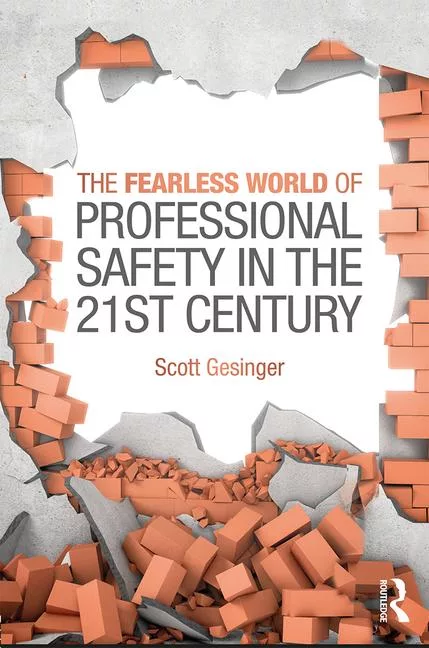
    • fearless world.jpg

      The Fearless World of Professional Safety in the 21st Century

    • 1119906652.webp

      Alive and Well at the End of the Day: The Supervisor's Guide to Managing Safety in Operations, 2E

    See More Products

    Related Directories

    • SonicAire

      SonicAire is the global leader in engineered solutions for combustible dust control. Our patented fan systems use BarrierAire™ technology to prevent dust from settling in overhead and hard-to-reach areas—helping facilities stay compliant with OSHA, NFPA, and insurance requirements. Thousands of manufacturers across wood products, food, grain, textiles, plastics, and more trust SonicAire to: Eliminate the risk of dust-related fires and explosions Automate housekeeping in overhead areas Protect worker health with improved air quality Reduce manual cleaning costs and production downtime Our systems are engineered for your facility, installed with precision, and backed by our Compliance Guarantee—because when it comes to safety, good enough is never enough. Create a cleaner, safer, and more compliant facility with SonicAire. ���� Visit www.SonicAire.com or call (336) 712-2437.
    ×

    Become a Leader in Safety Culture

    Build your knowledge with ISHN, covering key safety, health and industrial hygiene news, products, and trends.

    JOIN TODAY
    • RESOURCES
      • Advertise
      • Contact Us
      • Directories
      • Manufacturing Division
      • Store
      • Want More
    • SIGN UP TODAY
      • Create Account
      • eMagazine
      • Newsletters
      • Customer Service
      • Manage Preferences
    • SERVICES
      • Marketing Services
      • Reprints
      • Market Research
      • List Rental
      • Survey/Respondent Access
    • STAY CONNECTED
      • LinkedIn
      • Facebook
      • YouTube
      • X (Twitter)
    • PRIVACY
      • PRIVACY POLICY
      • TERMS & CONDITIONS
      • DO NOT SELL MY PERSONAL INFORMATION
      • PRIVACY REQUEST
      • ACCESSIBILITY

    Copyright ©2026. All Rights Reserved BNP Media, Inc. and BNP Media II, LLC.

    Design, CMS, Hosting & Web Development :: ePublishing