ISHN logo
search
cart
facebook twitter linkedin youtube
  • Sign In
  • Create Account
  • Sign Out
  • My Account
ISHN logo
  • NEWS
    • Today's News
    • Global Safety News
    • Government Regulations
  • PRODUCTS
    • Product Innovations
    • Featured Products
  • TOPICS
    • Environmental Health and Safety
    • Facility Safety
    • Workplace Health
    • Occupational Safety
    • PPE
    • More Topics
  • CONSTRUCTION
  • TECHNOLOGY
  • COLUMNS
    • Best Practices
    • Dave Johnson: What’s going on
    • Editorial Comments
    • Leading Safety
  • MULTIMEDIA
    • ISHN Podcast
    • Videos
    • Cold Stress Education Quiz
    • Webinars
    • White Papers
  • MORE
    • Buyer's Guide
    • Newsletters
    • Convention Companion
    • Polls
    • Events
    • ISHN Store
    • Sponsor Insights
  • EMAGAZINE
    • eMagazine
    • Archived Issues
    • Contact
    • Advertise
  • JOIN TODAY!
Today's Safety NewsWorkplace Health

EPA issues 2010 Toxics Release Inventory National Analysis

January 12, 2012

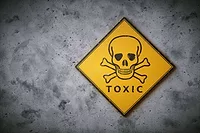
chemical plantThe U.S. Environmental Protection Agency (EPA) is releasing its annual national analysis of the Toxics Release Inventory (TRI), which contains information on toxic chemical disposals and other releases into the air, land and water, as well as information on waste management and pollution prevention activities in neighborhoods across the country. Total releases including disposals for the latest reporting year, 2010, are higher than the previous two years but lower than 2007 and prior year totals. Many of the releases from TRI facilities are regulated under various EPA programs and requirements designed to limit human and environmental harm.
 
Said EPA Administrator Lisa P. Jackson said TRI is a cornerstone of the EPA's community-right-to-know programs and has played a significant role in protecting health and the environment by providing communities with information on toxic chemical releases. That information is used by citizens, emergency planners and public health officials to make critical decisions.  

The 2010 TRI data show that 3.93 billion pounds of toxic chemicals were released into the environment nationwide, a 16 percent increase from 2009. A statement by the EPA attributes the increase to changes in the metal mining sector, which typically involves large facilities handling large volumes of material. "In this sector, even a small change in the chemical composition of the ore being mined -- which EPA understands is one of the reasons for the increase in total reported releases -- may lead to big changes in the amount of toxic chemicals reported nationally."

Several other sectors also reported increases in toxic releases in 2010, including the chemical and primary metals industries.
 
Total air releases decreased 6 percent since 2009, continuing a trend seen over the past several years. Releases into surface water increased 9 percent and releases into land increased 28 percent since 2009, again due primarily to the metal mining sector.
 
EPA has improved this year’s TRI national analysis report by adding new information on facility efforts to reduce pollution and by considering whether economic factors could have affected the TRI data. With this report and EPA’s Web-based TRI tools, citizens can access information about the toxic chemical releases into the air, water, and land that occur locally. Finally, EPA’s first mobile application for accessing TRI data, myRTK, is now available in Spanish, as are expanded Spanish translations of national analysis documents and Web pages.
 
TRI data is submitted annually to EPA and states by multiple industry sectors including manufacturing, metal mining, electric utilities, and commercial hazardous waste facilities. Facilities must report their toxic chemical releases to EPA under the federal Emergency Planning and Community Right-to-Know Act (EPCRA) by July 1st of each year. The Pollution Prevention Act of 1990 also requires information on waste management activities related to TRI chemicals.
 
More on the 2010 TRI analysis and TRI Web-based tools: www.epa.gov/tri
 
More on myRTK is at: www.epa.gov/tri/myrtk/

KEYWORDS: chemicals pollution toxic substances

Share This Story

Looking for a reprint of this article?
From high-res PDFs to custom plaques, order your copy today!

Recommended Content

JOIN TODAY
to unlock your recommendations.

Already have an account? Sign In

  • forklift safety

    Exploring the latest technologies in forklift safety

    With more staff and more stock in warehousing now more...
    Facility Safety
    By: Josh Cramer
  • welding

    All about welder’s flash or arc eye

    A flash burn is a painful inflammation of the cornea,...
    Environmental Health and Safety
  • dangerous jobs

    The 10 most dangerous jobs in the U.S.

    On-the-job deaths have been rising — hitting the highest...
    Construction Industry Safety and Health
    By: Benita Mehta
Manage My Account
  • eMagazine Subscriptions
  • ISHN Newsletter & Other Newsletter Alerts
  • Online Registration
  • Manage My Preferences
  • Subscription Customer Service

More Videos

Sponsored Content

Sponsored Content is a special paid section where industry companies provide high quality, objective, non-commercial content around topics of interest to the ISHN audience. All Sponsored Content is supplied by the advertising company and any opinions expressed in this article are those of the author and not necessarily reflect the views of ISHN or its parent company, BNP Media. Interested in participating in our Sponsored Content section? Contact your local rep!

close
  • man wearing the the Sundström SR200 Full Face Mask Respirator
    Sponsored byOHD

    5 Fit Testing Mistakes That Could Cost You

  • This image shows Magid AcuSpex polarized blue mirrored safety glasses.
    Sponsored byMagid Glove and Safety

    Construction PPE Guide: What Crews Need for Each Task

  • lone worker in confined space
    Sponsored byAlphasense Ltd.

    GET THE LEAD OUT of your Safety Oxygen Sensors!

Popular Stories

SpaceX 7 launch

OSHA Investigating Fatal Fall at SpaceX Starbase

Automated loading dock equipment

After March 2026 Rivian Death, Safety Managers Reassess Loading Dock Systems Under OSHA's Warehouse Emphasis Program

psychology in the workplace

Most Workplaces Measure Psychological Safety, Ignoring Psychosocial Risks

top 10 most dangerous jobs

Poll

Seasonal Readiness

With the federal heat stress prevention rule on the horizon, which area of your safety program needs the most attention?
View Results Poll Archive

Products

Surviving an OSHA Audit A Management Guide, 2nd Edition

Surviving an OSHA Audit A Management Guide, 2nd Edition

See More Products

ISHN Podcasts

Related Articles

  • Toxic chemicals

    Reduce your chemical footprint: Best Toxics Release Inventory reporting practices for 2021

    See More
  • EPA proposes adding more chemicals to Toxics Release Inventory list (4/7)

    See More
  • EPA publishes preliminary toxics release data (8/20)

    See More

Related Products

See More Products
  • ANSI/AIHA/ASSE Z9.9-2010 Portable Ventilation Systems

  • 1119010160.jpg

    Guidelines for Combustible Dust Hazard Analysis

See More Products
×

Become a Leader in Safety Culture

Build your knowledge with ISHN, covering key safety, health and industrial hygiene news, products, and trends.

JOIN TODAY
  • RESOURCES
    • Advertise
    • Contact Us
    • Directories
    • Manufacturing Division
    • Store
    • Want More
  • SIGN UP TODAY
    • Create Account
    • eMagazine
    • Newsletters
    • Customer Service
    • Manage Preferences
  • SERVICES
    • Marketing Services
    • Reprints
    • Market Research
    • List Rental
    • Survey/Respondent Access
  • STAY CONNECTED
    • LinkedIn
    • Facebook
    • YouTube
    • X (Twitter)
  • PRIVACY
    • PRIVACY POLICY
    • TERMS & CONDITIONS
    • DO NOT SELL MY PERSONAL INFORMATION
    • PRIVACY REQUEST
    • ACCESSIBILITY

Copyright ©2026. All Rights Reserved BNP Media, Inc. and BNP Media II, LLC.

Design, CMS, Hosting & Web Development :: ePublishing