FR apparel gains wider appeal
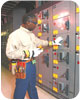
Flame-resistant (FR) apparel has been used for many years in the petroleum and chemical industries as well as in the U.S. military. In the early days, industrial FR apparel was designed mainly for flash fire protection and was produced primarily in coverall styles with the intent of providing basic protection.
The recognition of the need for protective clothing in other industries to protect against electric arc flash hazards spurred the development of safety standards like NFPA 70E and ASTM F1506. These standards have evolved to establish requirements for both workplace electrical safety as well as for the textiles used to make the protective apparel worn by electrical workers. This broadened the use of FR into new industries and introduced many more types of wearers to flame-resistant garments.
New fabrics, more options
The use and acceptance of FR apparel within this broader group of industries, particularly those related to arc flash hazards, has increased over the past decade. Workers concerned about heat stress are demanding lighter and more comfortable garments. And although worker protection and compliance to the industry standards continues to be top priority, comfort and style are playing a larger role in the development and production of FR clothing.
Flame-resistant fabric manufacturers have developed a number of new fabrics to address customer requirements. These include fabrics that range from FR cotton/ nylon blend knits to the newer category of modacrylic/ aramid blends that have more recently been introduced to the market. These fabrics have been designed not only to specifically meet the protection needs of industrial electrical workers wanting to comply with NFPA 70E, but also to provide improved comfort for the wearer.
Increased wear trials and adoptions of garments made from these new fabrics shows that managers are willing to look at a wide range of options to meet the needs of their particular work environments. Fabrics are being developed to provide a variety of attributes like longer wear life, better colorfastness, water repellency and antimicrobial properties, to name a few.
Garment manufacturers have used these fabrics to create a new range of garments that address the fit and style desires of today’s workers. Lead among them is the increased demand for FR denim in a range of fits from slim to relaxed. Other popular garment styles include knit Henley shirts, duck jackets and coveralls, chambray shirts and a variety of pant styles that emulate “street wear.” Manufacturers have even taken popular work wear brands and transformed them into protective apparel lines.
Options equal compliance
Today’s safety managers have a wide range of options that address potential worker resistance based on old perceptions of FR being uncomfortable or unattractive. Depending on the hazard and work environment, a worker can now wear familiar ensembles like carpenter jeans with a Henley shirt and a hooded sweatshirt.
This focus on comfort, fit and style will help make a company’s move into flame-resistant apparel an easier transition — workers who like their FR garments are more likely to wear them. This is good news because the need to protect workers from workplace hazards is greater than ever. New OSHA and national consensus standards are being implemented with greater frequency, affecting new groups of workers.
Don’t overlook financial incentives
While protecting workers is the right thing to do, it is also a good financial decision. A company can potentially reduce their legal exposure by meeting recognized industry standards like NFPA 70E, NFPA 2112, ANSI/ISEA 107, and NESC. They may also see a reduction in workers’ compensation costs because their employees are better protected. In addition, showing workers that the company cares about their safety can increase worker morale, leading to improved productivity and worker loyalty.
Safety and satisfaction go hand-in-hand
In the end, if you have workers exposed to hazards in the job, whether from flash fire or electric arc flash or even combustible dust, you may find yourself with a need to provide protective apparel. And with the wider range of fabric alternatives, combined with a much broader selection of style options, it is more possible than ever to provide your employees with an FR garment program that provides comfort and worker satisfaction.
Looking for a reprint of this article?
From high-res PDFs to custom plaques, order your copy today!




.webp?t=1721257160 "download (1).jpg")