ISHN logo
search
cart
facebook twitter linkedin youtube
  • Sign In
  • Create Account
  • Sign Out
  • My Account
ISHN logo
  • NEWS
    • Today's News
    • Global Safety News
    • Government Regulations
  • PRODUCTS
    • Product Innovations
    • Featured Products
  • TOPICS
    • Environmental Health and Safety
    • Facility Safety
    • Workplace Health
    • Occupational Safety
    • PPE
    • More Topics
  • CONSTRUCTION
  • TECHNOLOGY
  • COLUMNS
    • Best Practices
    • Dave Johnson: What’s going on
    • Editorial Comments
    • Leading Safety
  • MULTIMEDIA
    • ISHN Podcast
    • Videos
    • Cold Stress Education Quiz
    • Webinars
    • White Papers
  • MORE
    • Buyer's Guide
    • Newsletters
    • Convention Companion
    • Polls
    • Events
    • ISHN Store
    • Sponsor Insights
  • EMAGAZINE
    • eMagazine
    • Archived Issues
    • Contact
    • Advertise
  • JOIN TODAY!
Psychology in the Workplace

Management's role

May 25, 2000
When employee behavior is acknowledged as a key factor in accidents, is management absolved of its safety responsibility? Nothing could be farther from the truth. Rather than diminishing management responsibility, a safety initiative that focuses on employee behavior derives its power from management awareness and intervention.

But to fully realize this power, managers must avoid several traps when it comes to their involvement in safety. This article discusses those pitfalls, and how to step around them.

Many times companies think they are focusing their safety efforts on employee behavior and don't understand why they are not meeting desired safety goals. There are two basic reasons: First, managers have tried to frighten employees into safe behavior; and, second, they offer rewards for a lack of accidents. Neither approach increases safe work behavior, and both, in fact, violate everything we know about human behavior and how to influence it.

Let's look at some typical managerial styles: ·

  • Trying to influence behavior to improve safety, managers often stop employees when they are in a dangerous situation or performing an unsafe action.

    Although they must continue to do this, managers also need to observe and reinforce safe behaviors when they occur. Call this expanded focus. Don't just react to unsafe behavior -observe and acknowledge safe behavior. This is at the heart of a successful behavioral safety program. ·

  • Instilling fear is basically unproductive when it comes to encouraging safety.

    The widespread use of admonitions such as "Wear your safety shields or you'll lose an eye," or "Lock-out that equipment before starting your repairs or you'll lose a hand," have little or no impact on behavior. Why? During the actual work day employees rarely lose eyes or hands. So there is a tremendous reality gap between warnings and daily experience. Fear only works when the incident rate is so extraordinarily high that the danger is readily apparent to all. ·

  • Rewarding employees for no accidents is a passive, wait-and-see approach. This requires managers to do nothing. In fact, they actually make themselves victims of chance. And they give up all control in safety matters. For instance, in a safety campaign where everyone is given $100 if no accidents occur during a designated period, the minute an accident happens the campaign is over and the focus on safety diminishes for the rest of the campaign time frame. Any influence the manager had is over. ·
  • Interaction with employees is often too limited.

Managers can't influence employee behavior if contact is too infrequent, if desired behavior is not reinforced as it occurs, and if instruction is not specific enough. Although managers may specify what behavior should be stopped, they often do not pinpoint what behavior should be occurring.

We recommend that managers observe workers three to four times a day, two to three minutes at a time, working off a checklist of safe behaviors. These spot checks form the basis for establishing safe behavior measurement and feedback. During observations, managers and supervisors should check every time they see one of the target safe behaviors being used. It's very important that employees are aware that their safe behavior is being observed and recorded.

Charts and graphs help

Reinforcement should be done frequently, immediately (as the desired behavior is occurring), and it should be given only when the desired behavior occurs. It can be as simple as waving and saying, "Good stop," when a forklift driver stops completely at an intersection. It's important to be very specific about the safe behavior you observed and would like to see again.

In the workplace, the majority of behavior is safe behavior. So an approach that focuses on what is being done correctly increases a manager's opportunity to be proactive, and it accelerates his ability to influence employee behavior. By reinforcing safe actions a manager has many chances to interact with employees in a positive way throughout the day.

Share This Story

Looking for a reprint of this article?
From high-res PDFs to custom plaques, order your copy today!

Recommended Content

JOIN TODAY
to unlock your recommendations.

Already have an account? Sign In

  • forklift safety

    Exploring the latest technologies in forklift safety

    With more staff and more stock in warehousing now more...
    Facility Safety
    By: Josh Cramer
  • welding

    All about welder’s flash or arc eye

    A flash burn is a painful inflammation of the cornea,...
    Environmental Health and Safety
  • dangerous jobs

    The 10 most dangerous jobs in the U.S.

    On-the-job deaths have been rising — hitting the highest...
    Occupational Safety
    By: Benita Mehta
Manage My Account
  • eMagazine Subscriptions
  • ISHN Newsletter & Other Newsletter Alerts
  • Online Registration
  • Manage My Preferences
  • Subscription Customer Service

More Videos

Sponsored Content

Sponsored Content is a special paid section where industry companies provide high quality, objective, non-commercial content around topics of interest to the ISHN audience. All Sponsored Content is supplied by the advertising company and any opinions expressed in this article are those of the author and not necessarily reflect the views of ISHN or its parent company, BNP Media. Interested in participating in our Sponsored Content section? Contact your local rep!

close
  • man wearing the the Sundström SR200 Full Face Mask Respirator
    Sponsored byOHD

    5 Fit Testing Mistakes That Could Cost You

  • This image shows Magid AcuSpex polarized blue mirrored safety glasses.
    Sponsored byMagid Glove and Safety

    Construction PPE Guide: What Crews Need for Each Task

  • lone worker in confined space
    Sponsored byAlphasense Ltd.

    GET THE LEAD OUT of your Safety Oxygen Sensors!

Popular Stories

SpaceX 7 launch

OSHA Investigating Fatal Fall at SpaceX Starbase

Automated loading dock equipment

After March 2026 Rivian Death, Safety Managers Reassess Loading Dock Systems Under OSHA's Warehouse Emphasis Program

psychology in the workplace

Most Workplaces Measure Psychological Safety, Ignoring Psychosocial Risks

top 10 most dangerous jobs

Poll

Seasonal Readiness

With the federal heat stress prevention rule on the horizon, which area of your safety program needs the most attention?
View Results Poll Archive

Products

Surviving an OSHA Audit A Management Guide, 2nd Edition

Surviving an OSHA Audit A Management Guide, 2nd Edition

See More Products

ISHN Podcasts

Related Articles

  • Management's Role

    See More
  • Wilbur-Ellis hires Laura Fiffick for Enterprise Risk Management director role

    See More
  • safety professional meeting with project manager

    The Role Belief Plays in Risk Management

    See More

Related Products

See More Products
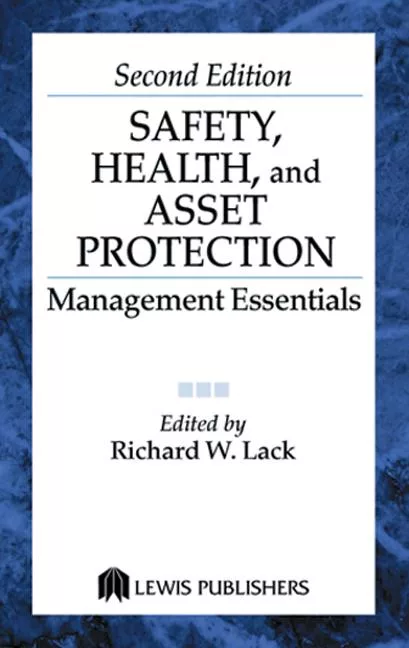
  • 9781566703703.jpg

    Safety, Health, and Asset Protection: Management Essentials, Second Edition

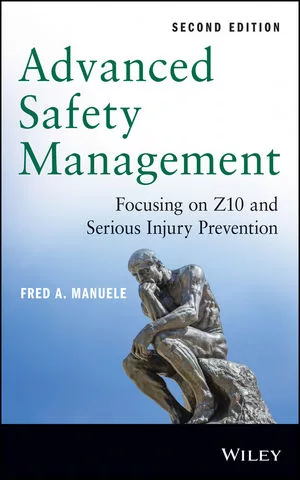
  • 1118645685.jpg

    Advanced Safety Management: Focusing on Z10 and Serious Injury Prevention, 2nd Edition

See More Products
×

Become a Leader in Safety Culture

Build your knowledge with ISHN, covering key safety, health and industrial hygiene news, products, and trends.

JOIN TODAY
  • RESOURCES
    • Advertise
    • Contact Us
    • Directories
    • Manufacturing Division
    • Store
    • Want More
  • SIGN UP TODAY
    • Create Account
    • eMagazine
    • Newsletters
    • Customer Service
    • Manage Preferences
  • SERVICES
    • Marketing Services
    • Reprints
    • Market Research
    • List Rental
    • Survey/Respondent Access
  • STAY CONNECTED
    • LinkedIn
    • Facebook
    • YouTube
    • X (Twitter)
  • PRIVACY
    • PRIVACY POLICY
    • TERMS & CONDITIONS
    • DO NOT SELL MY PERSONAL INFORMATION
    • PRIVACY REQUEST
    • ACCESSIBILITY

Copyright ©2026. All Rights Reserved BNP Media, Inc. and BNP Media II, LLC.

Design, CMS, Hosting & Web Development :: ePublishing