ISHN logo
search
cart
facebook twitter linkedin youtube
  • Sign In
  • Create Account
  • Sign Out
  • My Account
ISHN logo
  • NEWS
    • Today's News
    • Global Safety News
    • Government Regulations
  • PRODUCTS
    • Product Innovations
    • Featured Products
  • TOPICS
    • Environmental Health and Safety
    • Facility Safety
    • Workplace Health
    • Occupational Safety
    • PPE
    • More Topics
  • CONSTRUCTION
  • TECHNOLOGY
  • COLUMNS
    • Best Practices
    • Dave Johnson: What’s going on
    • Editorial Comments
    • Leading Safety
  • MULTIMEDIA
    • ISHN Podcast
    • Videos
    • Cold Stress Education Quiz
    • Webinars
    • White Papers
  • MORE
    • Buyer's Guide
    • Newsletters
    • Convention Companion
    • Polls
    • Events
    • ISHN Store
    • Sponsor Insights
  • EMAGAZINE
    • eMagazine
    • Archived Issues
    • Contact
    • Advertise
  • JOIN TODAY!
Columns

Monitoring reproductive health

November 1, 2002
In the past few years, more than half the states have enacted fetal rights laws making it a crime to harm a fetus either through violence, neglect or abuse. Politics aside, economics are driving these new laws. The direct health expenditures for babies born with birth problems, birth defects or developmental disabilities exceed $10 billion a year.

Smoking while pregnant, for example, is the greatest risk factor for delivering a low birth-weight (LBW) infant. In 1988, hospital costs for a LBW infant averaged $6,200 while the cost of a normal, healthy delivery averaged $1,900.

Again, putting aside other arguments, protecting a fetus makes economic sense. As long as this view holds, more actions will be taken to view the fetus as a person. In March 2002, for example, the Bush administration classified an embryo and developing fetus as an "unborn child." This ruling will allow prenatal care to low-income pregnant women under the State Children's Health Insurance Program. Timely prenatal care helps ensure the delivery of a healthy baby that helps to lower healthcare costs.

The case against employers

Views in society help drive legal opinions regarding fetal protection. Courts in a growing number of states now allow workers' children to sue their parent's employer over birth defects or developmental disabilities. Plaintiff's arguments include:

  • The fetus is a person.
  • The employer did not inform the parent of all workplace reproductive hazards - therefore the parent was not able to make a risk decision for the protection of the fetus.
  • The employer did not take proper actions to anticipate, recognize, evaluate or control workplace reproductive hazards.
  • And, directly or indirectly, workplace exposure to reproductive hazards ultimately harmed the child.

A comprehensive workplace reproductive health program should address these growing legal challenges, but check with your attorney to be sure.

In addition to addressing legal challenges, a workplace reproductive health program should:

  • Address growing knowledge of workplace reproductive hazards.
  • Complement your existing safety and health activities.
  • Help control employee healthcare costs.
  • Enhance your company image among employees and the community.


How do you measure up?

The following questionnaire identifies the major elements in a comprehensive workplace reproductive health program. Follow the instructions to see how your company's program measures up.

Instructions: 1) This questionnaire should be completed by a team that is independent from the conditions or activities being evaluated. 2) One member of the team should be knowledgeable in workplace reproductive health issues. 3) One member of the team should be experienced in conducting a gap analysis or environmental health and safety audit. In addition to checking the appropriate box, objective findings should be recorded for each question.

Scorecard: Assign two points for each question marked "yes" and one point for each question marked "partial."

  • 45-54 points - Meets or exceeds the elements in a comprehensive workplace reproductive health program.

  • 35-44 points - Improvements may be necessary depending upon site-specific circumstances.

  • 25-34 points - Improvements highly recommended. A workplace reproductive health program exists but with substantial weaknesses.

  • < 25 points - A workplace reproductive health program should be implemented. Workplace may not be recognized as having a reproductive health program.

    The questionnaire may serve as a gap analysis between the current state of your company's workplace reproductive health program and future conditions representing a comprehensive state.

    Completing a gap analysis for a workplace reproductive health program is often the first step in preparing a report to management to seek approval for program improvements.

    OSHA standards do not drive the implementation or improvements for a workplace reproductive health program. OSHA standards address only about six reproductive hazards while more than 1,000 workplace reproductive hazards are currently identified. Most importantly, OSHA standards are designed to protect healthy working adults, not a fetus or "unborn child."

    Instead, workplace reproductive health programs are being driven by the views and expectations of society and the courts.

  • Share This Story

    Looking for a reprint of this article?
    From high-res PDFs to custom plaques, order your copy today!

    Recommended Content

    JOIN TODAY
    to unlock your recommendations.

    Already have an account? Sign In

    • forklift safety

      Exploring the latest technologies in forklift safety

      With more staff and more stock in warehousing now more...
      Workplace Training Strategies
      By: Josh Cramer
    • welding

      All about welder’s flash or arc eye

      A flash burn is a painful inflammation of the cornea,...
      Environmental Health and Safety
    • dangerous jobs

      The 10 most dangerous jobs in the U.S.

      On-the-job deaths have been rising — hitting the highest...
      Occupational Safety
      By: Benita Mehta
    Manage My Account
    • eMagazine Subscriptions
    • ISHN Newsletter & Other Newsletter Alerts
    • Online Registration
    • Manage My Preferences
    • Subscription Customer Service

    More Videos

    Sponsored Content

    Sponsored Content is a special paid section where industry companies provide high quality, objective, non-commercial content around topics of interest to the ISHN audience. All Sponsored Content is supplied by the advertising company and any opinions expressed in this article are those of the author and not necessarily reflect the views of ISHN or its parent company, BNP Media. Interested in participating in our Sponsored Content section? Contact your local rep!

    close
    • man wearing the the Sundström SR200 Full Face Mask Respirator
      Sponsored byOHD

      5 Fit Testing Mistakes That Could Cost You

    • This image shows Magid AcuSpex polarized blue mirrored safety glasses.
      Sponsored byMagid Glove and Safety

      Construction PPE Guide: What Crews Need for Each Task

    • lone worker in confined space
      Sponsored byAlphasense Ltd.

      GET THE LEAD OUT of your Safety Oxygen Sensors!

    Popular Stories

    SpaceX 7 launch

    OSHA Investigating Fatal Fall at SpaceX Starbase

    Automated loading dock equipment

    After March 2026 Rivian Death, Safety Managers Reassess Loading Dock Systems Under OSHA's Warehouse Emphasis Program

    psychology in the workplace

    Most Workplaces Measure Psychological Safety, Ignoring Psychosocial Risks

    top 10 most dangerous jobs

    Poll

    Seasonal Readiness

    With the federal heat stress prevention rule on the horizon, which area of your safety program needs the most attention?
    View Results Poll Archive

    Products

    Surviving an OSHA Audit A Management Guide, 2nd Edition

    Surviving an OSHA Audit A Management Guide, 2nd Edition

    See More Products

    ISHN Podcasts

    Related Articles

    • pregnant woman

      Don’t gamble with reproductive health

      See More
    • women workers

      Puzzle pieces reshaping women’s reproductive health

      See More
    • reproductive health protection

      Health policy legislation shifts to the states

      See More

    Related Products

    See More Products
    • 9781566703703.jpg

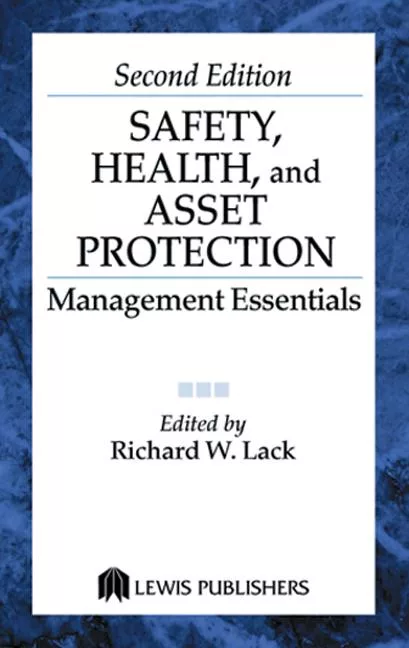
      Safety, Health, and Asset Protection: Management Essentials, Second Edition

    See More Products
    ×

    Become a Leader in Safety Culture

    Build your knowledge with ISHN, covering key safety, health and industrial hygiene news, products, and trends.

    JOIN TODAY
    • RESOURCES
      • Advertise
      • Contact Us
      • Directories
      • Manufacturing Division
      • Store
      • Want More
    • SIGN UP TODAY
      • Create Account
      • eMagazine
      • Newsletters
      • Customer Service
      • Manage Preferences
    • SERVICES
      • Marketing Services
      • Reprints
      • Market Research
      • List Rental
      • Survey/Respondent Access
    • STAY CONNECTED
      • LinkedIn
      • Facebook
      • YouTube
      • X (Twitter)
    • PRIVACY
      • PRIVACY POLICY
      • TERMS & CONDITIONS
      • DO NOT SELL MY PERSONAL INFORMATION
      • PRIVACY REQUEST
      • ACCESSIBILITY

    Copyright ©2026. All Rights Reserved BNP Media, Inc. and BNP Media II, LLC.

    Design, CMS, Hosting & Web Development :: ePublishing