ISHN logo
search
cart
facebook twitter linkedin youtube
  • Sign In
  • Create Account
  • Sign Out
  • My Account
ISHN logo
  • NEWS
    • Today's News
    • Global Safety News
    • Government Regulations
  • PRODUCTS
    • Product Innovations
    • Featured Products
  • TOPICS
    • Environmental Health and Safety
    • Facility Safety
    • Workplace Health
    • Occupational Safety
    • PPE
    • More Topics
  • CONSTRUCTION
  • TECHNOLOGY
  • COLUMNS
    • Best Practices
    • Dave Johnson: What’s going on
    • Editorial Comments
    • Leading Safety
  • MULTIMEDIA
    • ISHN Podcast
    • Videos
    • Cold Stress Education Quiz
    • Webinars
    • White Papers
  • MORE
    • Buyer's Guide
    • Newsletters
    • Convention Companion
    • Polls
    • Events
    • ISHN Store
    • Sponsor Insights
  • EMAGAZINE
    • eMagazine
    • Archived Issues
    • Contact
    • Advertise
  • JOIN TODAY!

"Near-hit" reporting

September 1, 2004
It was a normal day at the plant. A forklift driver was doing the job he had done for years, day in, day out…loading materials from the ground onto a flatbed. Just as he placed the last load, the forks still on the flatbed, the truck pulled out, capsizing the forklift and driver with it. The forklift operator was crushed to death under the weight of the lift truck.

Everyone at the plant was overwhelmed by this incident and by the death of their fellow employee and friend. Corporate office personnel scrambled to investigate. How could this — which was an actual event — have happened?

The manufacturing leader, responsible for safety at this company’s plants, traveled to all facilities and interviewed warehouse and shipping workers. He heard over 100 “near-hit” stories, all very similar but with different outcomes. Only luck had prevented a devastating incident and death, like the one described above, from happening before. All these plants are now heavily protected from this type of occurrence. If only near-hits had been reported and acted upon, this death could most likely have been avoided.

What is a near-hit? Some would call it a “close call,” a “near miss,” an “oops!,” a “thank God.” A near-hit is an unplanned event that has a high probability of injury or property loss.

The search for proactive methods of providing a safe working environment has increased in the past few years. What better way is there to prevent incidents than by looking at events that just missed being an incident? Collecting near-hits, determining causes, correcting and communicating them could help reduce incidents and injury rates.

What stymies reporting?

So why isn’t near-hit reporting more prevalent in industry? One reason is fear of reprisal and embarrassment. The perceived organizational message may not be positive towards near-hits, treating the incident as a mistake and not as an opportunity to take proactive steps to prevent injuries and promote safety. A near-hit can be very personal. Often an employee is relieved to be okay and doesn’t want to think about what could have happened.

In addition, and very important, if near-hit incident reports are collected and the information is not evaluated and disseminated and no action taken, workers will become discouraged and stop sharing. A near-hit form may be inconvenient to fill out, not readily available, or there may be no time allotted to complete it. But, again, near-hits provide an excellent opportunity to learn proactively from what some consider free lessons or just old-fashioned good luck.

In working with manufacturing concerns, my company actively encourages all workers to voluntarily and anonymously submit near-hit reports in their words. Normally, very few decline to do so. At any given facility, we receive hundreds of near-hits that we collate, discuss with employees and make a final analysis. These reports come from all employees, including management, supervisors and hourly workers. Invariably, it is fairly easy to predict the greatest potentials for injuries in that facility. This is especially true when combined with procedural, compliance and behavioral observations with all involved on a daily basis.

However, this process must be built using a positive approach with a goal of creating a safe culture where employees feel comfortable sharing not only safe behaviors (practices), but also unsafe behaviors (practices). This works in concert with safety rules and disciplinary actions being in place. I call it a “process” because it must be done on a continuous and consistent basis.

SHARING principles

Steps to successful integration and acceptance of near-hit reporting can be summed up in a word, “SHARING”:

  • Simple: Often, companies design forms that are very detailed, complicated and time-consuming. By keeping reporting simple and narrative, and by allowing workers to use their own words to describe a situation, employees are more likely to share. The key is to learn what types of near-hits are occurring, not necessarily all the details involved in the occurrence.

  • Hourly Employee Team: Successful safety processes employ Hourly Employee Teams. A “near-hit” review team is very helpful in building trust and involvement. Finding safety champions in the hourly workforce to develop a team to promote, review, solicit and develop solutions is a very effective way to encourage reporting of near-hits.

  • Anonymous: At least initially, it is best to keep reporting anonymous. This applies to relating personal events as well as those witnessed happening to others. NO NAMES… just the event. Until employees are confident that reprisals will not occur from sharing near-hits, anonymity will be more conducive to participation. Once a process is in full swing, the importance of anonymity may dwindle and employees will share openly.

  • Respond: Once near-hit reports start being submitted, it is important to respond to them. They should be communicated to the entire workforce for their review and input and then acted on. Solutions should be explored and shared.

  • Involvement: Everyone should be involved. One method of encouraging hourly employees to participate is for management and supervisors to share their personal near-hits (we all have them…whether at work or at home). This can be done in shift meetings. If a manager or supervisor shows willingness to talk about their near-hits, hourly employees may become more comfortable sharing their own.

    If a facility is part of a larger corporation, intra-company sharing is strongly encouraged. “Best practices sharing” is an initiative that has been growing stronger in recent years. Who can argue against sharing safety best practices?

    Inviting employees’ families to participate can be also very effective. A Plant Safety Activity Day, including families in attendance, is one way of accomplishing this.

  • Non-punishing: Management and supervision must make a commitment that punishment will not occur when near-hits are reported. This is a sure way to deter participation. It must be remembered that the goal is to improve safety, and by sharing near-hits future incidents could be avoided.

  • Give Positive Reinforcement/Recognition: It has been documented over and over again that positive reinforcement/recognition motivates people to discretionary effort. Workers will do more work than expected if they are recognized for their work. As near-hit reports are submitted it should be communicated to the workforce that this is a “good thing.”

    Building trust

    In the words of a great teacher/philosopher: Tell me and I will forget…Show me and I will remember… Involve me and I will understand. And adding our words: Recognize me and I will do it again and again.

    Trust is a building process. Positively reinforced participation will provide a foundation to build a sound structure (culture) of sharing.

    You don’t need to wait for a serious injury, incident or death in order to analyze what changes need to be made in working conditions or safety practices. Rather, use an incident or near-hit as an opportunity to find and eliminate causes of problems that could result in serious injuries, death or property damage.

    It can never be over-emphasized: Employees are a company’s greatest asset and resource. To achieve safety success, do whatever you can to encourage them to share their experiences, knowledge of their jobs and recommendations.

    SIDEBAR: It’s a good thing…

    One of the keys to successfully integrating near-hit reporting into your safety culture is positive reinforcement. By making near-hit reporting a positive experience for your employees, they will more readily participate in the activity.

    Plant-wide celebrations that recognize: 1) employees’ participation in near-hit reporting, and 2) achieved solutions to the causes of the near-hits, will go a long way toward building trust and active participation by all.

  • Share This Story

    Looking for a reprint of this article?
    From high-res PDFs to custom plaques, order your copy today!

    Recommended Content

    JOIN TODAY
    to unlock your recommendations.

    Already have an account? Sign In

    • forklift safety

      Exploring the latest technologies in forklift safety

      With more staff and more stock in warehousing now more...
      Workplace Training Strategies
      By: Josh Cramer
    • welding

      All about welder’s flash or arc eye

      A flash burn is a painful inflammation of the cornea,...
      Environmental Health and Safety
    • dangerous jobs

      The 10 most dangerous jobs in the U.S.

      On-the-job deaths have been rising — hitting the highest...
      Government Safety Regulations
      By: Benita Mehta
    Manage My Account
    • eMagazine Subscriptions
    • ISHN Newsletter & Other Newsletter Alerts
    • Online Registration
    • Manage My Preferences
    • Subscription Customer Service

    More Videos

    Sponsored Content

    Sponsored Content is a special paid section where industry companies provide high quality, objective, non-commercial content around topics of interest to the ISHN audience. All Sponsored Content is supplied by the advertising company and any opinions expressed in this article are those of the author and not necessarily reflect the views of ISHN or its parent company, BNP Media. Interested in participating in our Sponsored Content section? Contact your local rep!

    close
    • man wearing the the Sundström SR200 Full Face Mask Respirator
      Sponsored byOHD

      5 Fit Testing Mistakes That Could Cost You

    • This image shows Magid AcuSpex polarized blue mirrored safety glasses.
      Sponsored byMagid Glove and Safety

      Construction PPE Guide: What Crews Need for Each Task

    • lone worker in confined space
      Sponsored byAlphasense Ltd.

      GET THE LEAD OUT of your Safety Oxygen Sensors!

    Popular Stories

    SpaceX 7 launch

    OSHA Investigating Fatal Fall at SpaceX Starbase

    Worker Impairment

    How to Tell When a Co-Worker is Impaired? A Safety Pro’s Challenge

    psychology in the workplace

    Most Workplaces Measure Psychological Safety, Ignoring Psychosocial Risks

    top 10 most dangerous jobs

    Poll

    Seasonal Readiness

    With the federal heat stress prevention rule on the horizon, which area of your safety program needs the most attention?
    View Results Poll Archive

    Products

    Surviving an OSHA Audit A Management Guide, 2nd Edition

    Surviving an OSHA Audit A Management Guide, 2nd Edition

    See More Products

    ISHN Podcasts

    Related Articles

    • near miss reporting

      How to improve your near miss reporting

      See More
    • Overcoming resistance to near-miss reporting

      See More
    • WorkplaceAware eliminates barriers for near miss reporting

      See More

    Related Products

    See More Products
    • 9781138749573.jpg

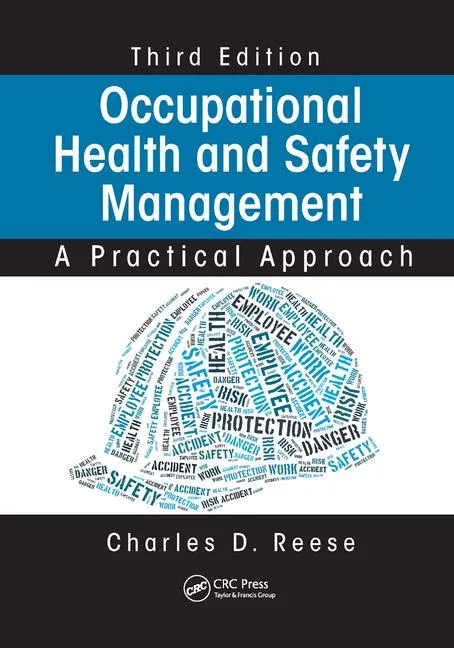
      Occupational Health and Safety Management: A Practical Approach, Third Edition

    • Top Ten Pitfalls in OSHA Recordkeeping and How to Avoid Them

    See More Products
    ×

    Become a Leader in Safety Culture

    Build your knowledge with ISHN, covering key safety, health and industrial hygiene news, products, and trends.

    JOIN TODAY
    • RESOURCES
      • Advertise
      • Contact Us
      • Directories
      • Manufacturing Division
      • Store
      • Want More
    • SIGN UP TODAY
      • Create Account
      • eMagazine
      • Newsletters
      • Customer Service
      • Manage Preferences
    • SERVICES
      • Marketing Services
      • Reprints
      • Market Research
      • List Rental
      • Survey/Respondent Access
    • STAY CONNECTED
      • LinkedIn
      • Facebook
      • YouTube
      • X (Twitter)
    • PRIVACY
      • PRIVACY POLICY
      • TERMS & CONDITIONS
      • DO NOT SELL MY PERSONAL INFORMATION
      • PRIVACY REQUEST
      • ACCESSIBILITY

    Copyright ©2026. All Rights Reserved BNP Media, Inc. and BNP Media II, LLC.

    Design, CMS, Hosting & Web Development :: ePublishing