ISHN logo
search
cart
facebook twitter linkedin youtube
  • Sign In
  • Create Account
  • Sign Out
  • My Account
ISHN logo
  • NEWS
    • Today's News
    • Global Safety News
    • Government Regulations
  • PRODUCTS
    • Product Innovations
    • Featured Products
  • TOPICS
    • Environmental Health and Safety
    • Facility Safety
    • Workplace Health
    • Occupational Safety
    • PPE
    • More Topics
  • CONSTRUCTION
  • TECHNOLOGY
  • COLUMNS
    • Best Practices
    • Dave Johnson: What’s going on
    • Editorial Comments
    • Leading Safety
  • MULTIMEDIA
    • ISHN Podcast
    • Videos
    • Cold Stress Education Quiz
    • Webinars
    • White Papers
  • MORE
    • Buyer's Guide
    • Newsletters
    • Convention Companion
    • Polls
    • Events
    • ISHN Store
    • Sponsor Insights
  • EMAGAZINE
    • eMagazine
    • Archived Issues
    • Contact
    • Advertise
  • JOIN TODAY!
Today's Safety News

OSHA revises recordkeeping regulations

January 19, 2001
New rules for how employers keep track of work-related injuries and illnesses go into effect January 1, 2002. OSHA issued the long-awaited update of recordkeeping practices on January 19, 2001.

About 1.3 million workplaces will be required to follow the new recordkeeping procedures. Employers with 10 or fewer employees will continue to be exempt from most requirements, as will a number of industries classified as low-hazard sectors. (All employers covered by OSHA must continue to report any workplace incident resulting in a fatality or the hospitalization of three or more employees.)

During the current year of 2001 employers must follow the requirements of OSHA’s original recordkeeping rule.

The new rules update three recordkeeping forms: OSHA Form 300 (Log of Work-Related Injuries and Illnesses); OSHA Form 301 (Injury and Illness Incident Report); and OSHA Form 300A (Summary of Work-Related Injuries and Illnesses).

Here’s what you need to know. The new recordkeeping rule:

  • Eliminates different criteria for recording work-related injuries and illnesses — one set of criteria will be used for both.

  • Requires your records to include any work-related injury or illness resulting in one of the following: death; days away from work; restricted work or transfer to another job; medical treatment beyond first aid; loss of consciousness; or diagnosis of a significant injury/illness by a physician or other licensed health care professional;

  • Includes new definitions of medical treatment, first aid, and restricted work to simplify your recording decisions.

  • Requires a significant degree of aggravation before a pre-existing injury or illness becomes recordable.

  • Adds additional exemptions to the definition of work-relatedness to limiting recording cases involving eating and drinking of food and beverages, common colds and flu, blood donations, exercise programs, and mental illness.

  • Clarifies how to record “light duty” or restricted work cases. You’ll now record cases when the injured or ill employee is restricted from their “normal duties”, which are defined as work activities the employee regularly performs at least once weekly.

  • Eliminates the term “lost workdays” and focuses on days away or days restricted or transferred. Also, new rules for counting these days rely on calendar days rather than workdays.

  • You’ll be required to record standard threshold shifts in employee hearing. The new OSHA 300 Form has a separate column to capture statistics on hearing loss.

  • Forms also include columns dedicated to musculoskeletal disorder cases. You’ll use the same recording criteria for MSD cases as for all other injuries or illnesses.

  • All needlestick and sharps injuries involving contamination by another person’s blood or other bodily fluids must be recorded.

  • You must set up a procedure for your employees to report injuries and illnesses, and you must tell your employees how to report. You are prohibited from discriminating in any way against employees who do report. (This could have ramifications regarding how safety incentive programs based on zero injuries are used.)

  • For the first time, employee representatives have access to parts of the OSHA 301 Form that are relevant to the employees they represent.

  • Your annual summary of injuries and illnesses will have to be posted for three months instead of one.

  • Your summary must be certified by a company executive.

For detailed information on the final recordkeeping rule, go to OSHA’s Web site at http://www.osha-slc.gov/recordkeeping/index.html

Share This Story

Looking for a reprint of this article?
From high-res PDFs to custom plaques, order your copy today!

Recommended Content

JOIN TODAY
to unlock your recommendations.

Already have an account? Sign In

  • forklift safety

    Exploring the latest technologies in forklift safety

    With more staff and more stock in warehousing now more...
    Workplace Training Strategies
    By: Josh Cramer
  • welding

    All about welder’s flash or arc eye

    A flash burn is a painful inflammation of the cornea,...
    Environmental Health and Safety
  • dangerous jobs

    The 10 most dangerous jobs in the U.S.

    On-the-job deaths have been rising — hitting the highest...
    Government Safety Regulations
    By: Benita Mehta
Manage My Account
  • eMagazine Subscriptions
  • ISHN Newsletter & Other Newsletter Alerts
  • Online Registration
  • Manage My Preferences
  • Subscription Customer Service

More Videos

Sponsored Content

Sponsored Content is a special paid section where industry companies provide high quality, objective, non-commercial content around topics of interest to the ISHN audience. All Sponsored Content is supplied by the advertising company and any opinions expressed in this article are those of the author and not necessarily reflect the views of ISHN or its parent company, BNP Media. Interested in participating in our Sponsored Content section? Contact your local rep!

close
  • man wearing the the Sundström SR200 Full Face Mask Respirator
    Sponsored byOHD

    5 Fit Testing Mistakes That Could Cost You

  • This image shows Magid AcuSpex polarized blue mirrored safety glasses.
    Sponsored byMagid Glove and Safety

    Construction PPE Guide: What Crews Need for Each Task

  • lone worker in confined space
    Sponsored byAlphasense Ltd.

    GET THE LEAD OUT of your Safety Oxygen Sensors!

Popular Stories

SpaceX 7 launch

OSHA Investigating Fatal Fall at SpaceX Starbase

Automated loading dock equipment

After March 2026 Rivian Death, Safety Managers Reassess Loading Dock Systems Under OSHA's Warehouse Emphasis Program

psychology in the workplace

Most Workplaces Measure Psychological Safety, Ignoring Psychosocial Risks

top 10 most dangerous jobs

Poll

Seasonal Readiness

With the federal heat stress prevention rule on the horizon, which area of your safety program needs the most attention?
View Results Poll Archive

Products

Surviving an OSHA Audit A Management Guide, 2nd Edition

Surviving an OSHA Audit A Management Guide, 2nd Edition

See More Products

ISHN Podcasts

Related Articles

  • OSHA revises three whistleblower statutes

    See More
  • OSHA revises enforcement policies for fall protection during steel erection (10/5)

    See More
  • OSHA revises Outreach Training Program with new requirements, content (4/15)

    See More

Related Products

See More Products
  • Top Ten Pitfalls in OSHA Recordkeeping and How to Avoid Them

  • 9781264257829_24.jpeg

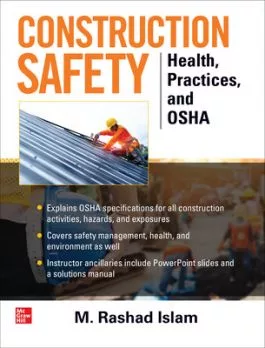
    Construction Safety: Health, Practices and OSHA

  • surviving.webp

    Surviving an OSHA Audit A Management Guide, 2nd Edition

See More Products

Events

View AllSubmit An Event
  • July 19, 2017

    ORCHSE Webinar - Advanced OSHA Injury & Illness Recordkeeping

    On Wednesday, July 19th from 2-3:30, ORCHSE Strategies's will be offering a webinar on Advanced OSHA Recordkeeping. This webinar targets those with knowledge of injury & illness recordkeeping requirements who would like to better understand the nuances and special rules associated with injury & illness recordkeeping.
View AllSubmit An Event
×

Become a Leader in Safety Culture

Build your knowledge with ISHN, covering key safety, health and industrial hygiene news, products, and trends.

JOIN TODAY
  • RESOURCES
    • Advertise
    • Contact Us
    • Directories
    • Manufacturing Division
    • Store
    • Want More
  • SIGN UP TODAY
    • Create Account
    • eMagazine
    • Newsletters
    • Customer Service
    • Manage Preferences
  • SERVICES
    • Marketing Services
    • Reprints
    • Market Research
    • List Rental
    • Survey/Respondent Access
  • STAY CONNECTED
    • LinkedIn
    • Facebook
    • YouTube
    • X (Twitter)
  • PRIVACY
    • PRIVACY POLICY
    • TERMS & CONDITIONS
    • DO NOT SELL MY PERSONAL INFORMATION
    • PRIVACY REQUEST
    • ACCESSIBILITY

Copyright ©2026. All Rights Reserved BNP Media, Inc. and BNP Media II, LLC.

Design, CMS, Hosting & Web Development :: ePublishing