ISHN logo
search
cart
facebook twitter linkedin youtube
  • Sign In
  • Create Account
  • Sign Out
  • My Account
ISHN logo
  • NEWS
    • Today's News
    • Global Safety News
    • Government Regulations
  • PRODUCTS
    • Product Innovations
    • Featured Products
  • TOPICS
    • Environmental Health and Safety
    • Facility Safety
    • Workplace Health
    • Occupational Safety
    • PPE
    • More Topics
  • CONSTRUCTION
  • TECHNOLOGY
  • COLUMNS
    • Best Practices
    • Dave Johnson: What’s going on
    • Editorial Comments
    • Leading Safety
  • MULTIMEDIA
    • ISHN Podcast
    • Videos
    • Cold Stress Education Quiz
    • Webinars
    • White Papers
  • MORE
    • Buyer's Guide
    • Newsletters
    • Convention Companion
    • Polls
    • Events
    • ISHN Store
    • Sponsor Insights
  • EMAGAZINE
    • eMagazine
    • Archived Issues
    • Contact
    • Advertise
  • JOIN TODAY!

Reducing risk through training

January 31, 2003
In these days of increasing business, financial and political uncertainty, the traditional role of the compliance officer is changing to respond to a whole new range of challenges. In fact, given events such as 9/11 and the meltdown of Enron and WorldCom, the role has to change from one that was straightforward and compliance-driven to one that is anticipatory and risk-focused - regardless of where that risk originates.

For the most part, government regulations and corporate SOPs define the behavior of employees and management. Consequently, effective education stands center stage for both regulatory compliance and risk management. Although there are many educational methodologies, blended learning - combining classroom and online methods - represents the most practical and effective approach to reducing an organization's risk profile.

Blended learning

Blended learning matches the best instructional strategy, either classroom or online, to the specific subject matter. Both categories of instructional strategy offer distinct benefits for specific types of education, and both impose drawbacks.

Traditional, instructor-led training represents about three-quarters of the training activity conducted by U.S. businesses. It can be highly effective, particularly when the training is conducted by an expert and focuses on hands-on activities and behavioral modeling, but it can be time-consuming and expensive. Oftentimes, scheduling conflicts can create problems, and inconsistency among instructors can also be a drawback.

Online training or e-learning represents an alternative to traditional, classroom training. It, too, is a tool with both advantages and disadvantages. E-learning is especially effective when the subject matter is procedural or technical, such as regulations or procedures, and when the students are geographically dispersed. It's also effective when a large number of students require instruction and when there is an ongoing influx of new students. Online training offers consistent instruction, flexibility in scheduling, and does not require travel, further reducing costs.

E-training elements

A good e-learning program is not merely an expanded "email" program. The goal of any training program, remember, is changed employee behavior, not merely the distribution of information. Some of the most important elements of an effective e-learning program are as follows:

1) Instructional design is the most critical element of an online learning initiative. When implemented correctly, instructional design triggers learning events that transfer knowledge and modify behavior. Key elements include a statement of objectives, effective use of animations and graphics, a high level of interactivity and exercises that support key points of learning.

2) Failsafe documentation is critical in the event of a regulatory audit, incident investigation or legal action. The ability to produce documentation showing that the organization has taken measures to educate its employees helps protect the company against penalties and litigation.

3) Technology infrastructure must be optimized to drive the data management and online courses. Components such as the underlying code, the design and fundamental scalability of the database, the server configuration and available bandwidth are all essential considerations.

4) Appropriate curriculum is mandatory, with online courses matching appropriate job descriptions, work tasks and regulations of the employees for whom training is intended.

5) Accessibility is one of the great advantages of online training. A Web-based strategy enables a company to reach all of its employees, regardless of their physical location, and to provide access day or night.

6) Usability results from well-designed courses that are intuitively logical.

7) Security over the Internet is a major concern. Security measures must be incorporated in training programs as well as to ensure that all user data sent over the Internet is encrypted, that industrial-strength firewalls prevent access by unauthorized users, that user data is backed up at all times, and that software which stores user data is secure.

Share This Story

Looking for a reprint of this article?
From high-res PDFs to custom plaques, order your copy today!

Recommended Content

JOIN TODAY
to unlock your recommendations.

Already have an account? Sign In

  • forklift safety

    Exploring the latest technologies in forklift safety

    With more staff and more stock in warehousing now more...
    Facility Safety
    By: Josh Cramer
  • welding

    All about welder’s flash or arc eye

    A flash burn is a painful inflammation of the cornea,...
    Environmental Health and Safety
  • dangerous jobs

    The 10 most dangerous jobs in the U.S.

    On-the-job deaths have been rising — hitting the highest...
    Construction Industry Safety and Health
    By: Benita Mehta
Manage My Account
  • eMagazine Subscriptions
  • ISHN Newsletter & Other Newsletter Alerts
  • Online Registration
  • Manage My Preferences
  • Subscription Customer Service

More Videos

Sponsored Content

Sponsored Content is a special paid section where industry companies provide high quality, objective, non-commercial content around topics of interest to the ISHN audience. All Sponsored Content is supplied by the advertising company and any opinions expressed in this article are those of the author and not necessarily reflect the views of ISHN or its parent company, BNP Media. Interested in participating in our Sponsored Content section? Contact your local rep!

close
  • man wearing the the Sundström SR200 Full Face Mask Respirator
    Sponsored byOHD

    5 Fit Testing Mistakes That Could Cost You

  • This image shows Magid AcuSpex polarized blue mirrored safety glasses.
    Sponsored byMagid Glove and Safety

    Construction PPE Guide: What Crews Need for Each Task

  • lone worker in confined space
    Sponsored byAlphasense Ltd.

    GET THE LEAD OUT of your Safety Oxygen Sensors!

Popular Stories

SpaceX 7 launch

OSHA Investigating Fatal Fall at SpaceX Starbase

psychology in the workplace

Most Workplaces Measure Psychological Safety, Ignoring Psychosocial Risks

Worker Impairment

How to Tell When a Co-Worker is Impaired? A Safety Pro’s Challenge

top 10 most dangerous jobs

Poll

Seasonal Readiness

With the federal heat stress prevention rule on the horizon, which area of your safety program needs the most attention?
View Results Poll Archive

Products

Surviving an OSHA Audit A Management Guide, 2nd Edition

Surviving an OSHA Audit A Management Guide, 2nd Edition

See More Products

ISHN Podcasts

Related Articles

  •  food supply chain

    Reducing risk in the food supply chain

    See More
  • workplace team training stock.jpg

    Adapting to a Changing Environment: Improving Workplace Safety Through Security & Training

    See More
  • safety meeting on a construction site

    Safety by design: Proactive measures for reducing risk at job sites

    See More

Related Products

See More Products
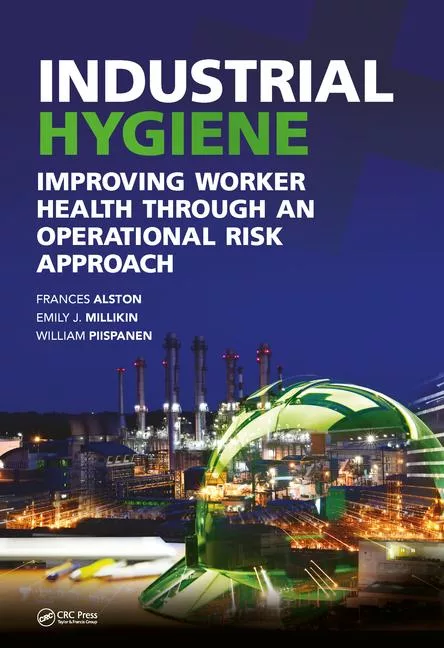
  • industrial hy.jpg

    Industrial Hygiene: Improving Worker Health through an Operational Risk Approach

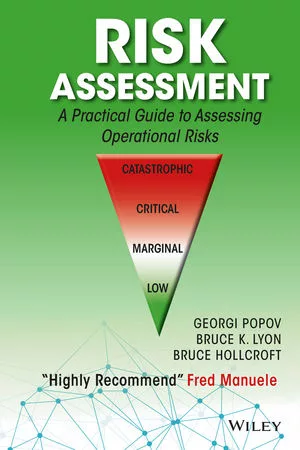
  • 1118911040.jpg

    Risk Assessment: A Practical Guide to Assessing Operational Risks

See More Products

Related Directories

  • Rockford Systems LLC

    About Rockford Systems, LLC Rockford Systems, LLC is a leading provider of innovative workplace safety solutions, specializing in machine safeguarding, lockout/tagout, and combustion safety. With a comprehensive portfolio that includes risk assessments, custom engineering, installation, training, and compliance support, Rockford Systems helps organizations across industries reduce risk, protect workers, and ensure compliance with OSHA, ANSI, and NFPA standards. Through its Rockford Combustion™ product line, the company delivers advanced fuel-train management and combustion safety systems, offering custom-designed burners, valve trains, and controls for fuel-fired equipment. From turnkey lockout/tagout programs to fully engineered safeguarding solutions and combustion audits, Rockford Systems takes an end-to-end approach to safety—improving operational efficiency, air quality, and regulatory compliance while reducing the risk of injury, fire, and explosion. To learn more, visit www.rockfordsystems.com.
×

Become a Leader in Safety Culture

Build your knowledge with ISHN, covering key safety, health and industrial hygiene news, products, and trends.

JOIN TODAY
  • RESOURCES
    • Advertise
    • Contact Us
    • Directories
    • Manufacturing Division
    • Store
    • Want More
  • SIGN UP TODAY
    • Create Account
    • eMagazine
    • Newsletters
    • Customer Service
    • Manage Preferences
  • SERVICES
    • Marketing Services
    • Reprints
    • Market Research
    • List Rental
    • Survey/Respondent Access
  • STAY CONNECTED
    • LinkedIn
    • Facebook
    • YouTube
    • X (Twitter)
  • PRIVACY
    • PRIVACY POLICY
    • TERMS & CONDITIONS
    • DO NOT SELL MY PERSONAL INFORMATION
    • PRIVACY REQUEST
    • ACCESSIBILITY

Copyright ©2026. All Rights Reserved BNP Media, Inc. and BNP Media II, LLC.

Design, CMS, Hosting & Web Development :: ePublishing