ISHN logo
search
cart
facebook twitter linkedin youtube
  • Sign In
  • Create Account
  • Sign Out
  • My Account
ISHN logo
  • NEWS
    • Today's News
    • Global Safety News
    • Government Regulations
  • PRODUCTS
    • Product Innovations
    • Featured Products
  • TOPICS
    • Environmental Health and Safety
    • Facility Safety
    • Workplace Health
    • Occupational Safety
    • PPE
    • More Topics
  • CONSTRUCTION
  • TECHNOLOGY
  • COLUMNS
    • Best Practices
    • Dave Johnson: What’s going on
    • Editorial Comments
    • Leading Safety
  • MULTIMEDIA
    • ISHN Podcast
    • Videos
    • Cold Stress Education Quiz
    • Webinars
    • White Papers
  • MORE
    • Buyer's Guide
    • Newsletters
    • Convention Companion
    • Polls
    • Events
    • ISHN Store
    • Sponsor Insights
  • EMAGAZINE
    • eMagazine
    • Archived Issues
    • Contact
    • Advertise
  • JOIN TODAY!
Occupational SafetyEnvironmental Health and SafetyWorkplace Health

What can cause a nosebleed at work?

May 19, 2000
One out of every ten to twenty people will experience a nosebleed each year. Most are resolved with minor first aid treatment. Still, almost anyone experiencing a sudden and unexplained nosebleed (the medical term is epistaxis) wants to find out what caused it. If it happens at work, they'll often question if workplace factors are the cause.

What to do? First, basic first aid treatment calls for keeping the person with a nosebleed calm. Have them sit upright, lean slightly forward, and pinch the nostrils for five or ten minutes. Don't allow the person to clear their nose by blowing or removing clots. Applying ice (crushed in a plastic bag or washcloth) to the nose and cheeks may help stop the bleeding. Seek medical help if the nose continues to bleed after 10-15 minutes, if the bleeding is severe, or if the nosebleed is recurrent.

Following a nosebleed a person should avoid strenuous work for 24 to 48 hours, especially if it involves bending and lifting heavy objects. They should also refrain from consuming hot drinks, using alcohol or aspirin (Tylenol, Panadol or Anacin-3 is okay), or taking hot baths and showers for two days. During this two-day period they should also sleep with their head slighted elevated.

Check it out

Humidity is the first workplace factor to evaluate after a nosebleed. Tissue inside the nose can begin drying when the humidity level drops below 20 percent. Dried tissue makes the small blood vessels inside the nose easily subjected to trauma and subsequent bleeding.

If employees work in dry air, they should be allowed to take periodic breaks, perhaps 20 minutes every two hours, in areas where the air is moist. If that's not possible, a pea size amount of Vaseline applied every two or three hours should keep tissue inside the nose moist.

Many chemicals can contribute to nosebleeds, but you'll rarely find this information on material safety data sheets. Look for chemicals known to damage nose tissue, cause drying or mechanical irritation, increase blood pressure, thin the blood, or that are severe pulmonary irritants.

Chromic acid and chromates are known to cause tissue damage to the septum inside the nose. Chemicals that may cause desiccation, dryness or mechanical irritation include kaolin, fiberglass, silica, and talc. Chemicals that may increase blood pressure include alpha-aminopryridine, carbon dioxide, dimethylformamide, diphenyl oxide, and sodium azide. Warfarin and various organic solvents are among chemicals that may thin the blood. Severe pulmonary irritants include ammonia, bromine, chlorine, hydrogen fluoride, formaldehyde, and nitric acid.

I wouldn't discount chemicals as a possible factor unless they were found at less than one-half of their permissible exposure limit (PEL), threshold limit value (TLV) or other recognized limit. Be sure to apply additive calculations and take one-half of unity when two or more chemicals are present. As mentioned, heavy bending and lifting may contribute to nosebleeds by increasing blood pressure for certain people. Continuous work without drinking fluids may cause a person to become dehydrated, increasing chances that the inside of the nose will become dry.

Psychological stress can also be a factor. Hormones released in response to strong stimuli such as fear, anger, appetite, thirst, and sexual activity cause nasal mucosal vessels to fill with blood, perhaps increasing the opportunity for nosebleeds. This explains why first aid treatment for nosebleeds includes keeping the person calm.

Generally, several factors (age, illness, medications, etc.) are necessary for a nosebleed to occur. Workplace conditions may well be among them. But there are steps we can take to limit or prevent work-related causes.

Share This Story

Looking for a reprint of this article?
From high-res PDFs to custom plaques, order your copy today!

Recommended Content

JOIN TODAY
to unlock your recommendations.

Already have an account? Sign In

  • forklift safety

    Exploring the latest technologies in forklift safety

    With more staff and more stock in warehousing now more...
    Workplace Training Strategies
    By: Josh Cramer
  • welding

    All about welder’s flash or arc eye

    A flash burn is a painful inflammation of the cornea,...
    Environmental Health and Safety
  • dangerous jobs

    The 10 most dangerous jobs in the U.S.

    On-the-job deaths have been rising — hitting the highest...
    Construction Industry Safety and Health
    By: Benita Mehta
Manage My Account
  • eMagazine Subscriptions
  • ISHN Newsletter & Other Newsletter Alerts
  • Online Registration
  • Manage My Preferences
  • Subscription Customer Service

More Videos

Sponsored Content

Sponsored Content is a special paid section where industry companies provide high quality, objective, non-commercial content around topics of interest to the ISHN audience. All Sponsored Content is supplied by the advertising company and any opinions expressed in this article are those of the author and not necessarily reflect the views of ISHN or its parent company, BNP Media. Interested in participating in our Sponsored Content section? Contact your local rep!

close
  • man wearing the the Sundström SR200 Full Face Mask Respirator
    Sponsored byOHD

    5 Fit Testing Mistakes That Could Cost You

  • This image shows Magid AcuSpex polarized blue mirrored safety glasses.
    Sponsored byMagid Glove and Safety

    Construction PPE Guide: What Crews Need for Each Task

  • lone worker in confined space
    Sponsored byAlphasense Ltd.

    GET THE LEAD OUT of your Safety Oxygen Sensors!

Popular Stories

SpaceX 7 launch

OSHA Investigating Fatal Fall at SpaceX Starbase

Automated loading dock equipment

After March 2026 Rivian Death, Safety Managers Reassess Loading Dock Systems Under OSHA's Warehouse Emphasis Program

psychology in the workplace

Most Workplaces Measure Psychological Safety, Ignoring Psychosocial Risks

top 10 most dangerous jobs

Poll

Seasonal Readiness

With the federal heat stress prevention rule on the horizon, which area of your safety program needs the most attention?
View Results Poll Archive

Products

Surviving an OSHA Audit A Management Guide, 2nd Edition

Surviving an OSHA Audit A Management Guide, 2nd Edition

See More Products

ISHN Podcasts

Related Articles

  • Feeling bad at work can be a good thing

    See More
  • How employers can keep older drivers safe at work

    See More
  • Guide to controlling asthma at work

    See More

Related Products

See More Products
  • 111885960X.jpg

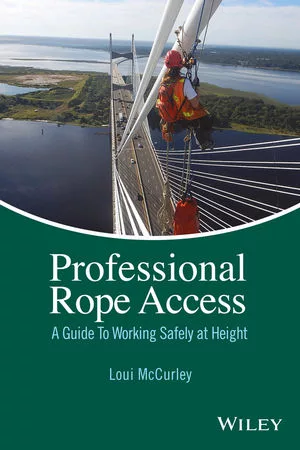
    Professional Rope Access: A Guide To Working Safely at Height

See More Products
×

Become a Leader in Safety Culture

Build your knowledge with ISHN, covering key safety, health and industrial hygiene news, products, and trends.

JOIN TODAY
  • RESOURCES
    • Advertise
    • Contact Us
    • Directories
    • Manufacturing Division
    • Store
    • Want More
  • SIGN UP TODAY
    • Create Account
    • eMagazine
    • Newsletters
    • Customer Service
    • Manage Preferences
  • SERVICES
    • Marketing Services
    • Reprints
    • Market Research
    • List Rental
    • Survey/Respondent Access
  • STAY CONNECTED
    • LinkedIn
    • Facebook
    • YouTube
    • X (Twitter)
  • PRIVACY
    • PRIVACY POLICY
    • TERMS & CONDITIONS
    • DO NOT SELL MY PERSONAL INFORMATION
    • PRIVACY REQUEST
    • ACCESSIBILITY

Copyright ©2026. All Rights Reserved BNP Media, Inc. and BNP Media II, LLC.

Design, CMS, Hosting & Web Development :: ePublishing