ISHN logo
search
cart
facebook twitter linkedin youtube
  • Sign In
  • Create Account
  • Sign Out
  • My Account
ISHN logo
  • NEWS
    • Today's News
    • Global Safety News
    • Government Regulations
  • PRODUCTS
    • Product Innovations
    • Featured Products
  • TOPICS
    • Environmental Health and Safety
    • Facility Safety
    • Workplace Health
    • Occupational Safety
    • PPE
    • More Topics
  • CONSTRUCTION
  • TECHNOLOGY
  • COLUMNS
    • Best Practices
    • Dave Johnson: What’s going on
    • Editorial Comments
    • Leading Safety
  • MULTIMEDIA
    • ISHN Podcast
    • Videos
    • Cold Stress Education Quiz
    • Webinars
    • White Papers
  • MORE
    • Buyer's Guide
    • Newsletters
    • Convention Companion
    • Polls
    • Events
    • ISHN Store
    • Sponsor Insights
  • EMAGAZINE
    • eMagazine
    • Archived Issues
    • Contact
    • Advertise
  • JOIN TODAY!

When a heart stops beating. . .

August 29, 2003
As much as I would like to force my own opinion of the worth of automatic external defibrillators (AEDs) onto you, I'll let you decide for yourself. All I ask is that you bear with me through this true story, then ask yourself whether AEDs are worth the investment of equipment and training costs.

Please meet Julie A., a registered nurse from Philadelphia, and her husband Max, an emergency medical technician. They are taking a much needed and long delayed vacation, and are now transferring between flights at O'Hare International Airport in Chicago. Julie and Max are intensely professional about their work, yet two of the most easy-going people you would have the pleasure of meeting.

Julie and Max had been commenting on how many people appear unnerved and visibly agitated by having to wait at the security checkpoints. Just look at that fellow over there, all red faced and nasty with his attitude. He'll be lucky not to burst a vessel.

Blowing a fuse

That would be P.S. Biggs, the human resources and training manager for a bicycle messenger service. Mr. Biggs seems intent on picking apart the efforts of the Transportation Security Administration and attempting to change something that he has no control over.

"Why in the world would anyone think that any of us are going to carry contraband? I can't believe that I've been standing in this same spot in line for the last ten minutes," he says.

There's not much space in the line for Mr. Biggs's fellow travelers to escape his bellowing and spittle, but slowly they back off and leave a noticeable empty space around him. Mr. Biggs is clearly in some trouble. He finds it increasingly difficult to push and lug his luggage ahead a foot at a time as the line crawls along, all the while complaining and trying to take deep breaths between his rants. He pulls his collar away from his neck and wipes the sweat that seems to be increasing with each moment in line. When the space between Mr. Biggs and the passengers in front of him in line opens by five feet, he strains to pick up his luggage. Suddenly he gasps loudly and drops his bag. A pain seems to be burning through his left arm.

Mr. Biggs's body crashes to the floor of Terminal One. Lying on his side, his breathing shallow, Mr. Biggs now feels somewhat at peace with the whole airport experience. Thoughts of his youth and his family flash in his mind. How fun and easy his job was when he didn't take himself so seriously, he now sees clearly. And why didn't he spend more time helping coworkers instead of finding fault with them, he wonders.

Lying flat on his stomach, Mr. Biggs releases what seems to be a sigh of relief. But to Julie, the registered nurse, it sounds like a death rattle. As she turns him over onto his back, Mr. Biggs stops breathing.

Always on alert

You see, Julie had kept her eye on Mr. Biggs while she was talking to her husband. When she commented on his appearance she wanted Max to keep an eye on him, too. She had recognized some danger signs that she couldn't ignore, whether she was on vacation or not. Seeing him lurch, grab his arm and start to fall, Julie grabbed Max. "C'mon big guy, we've got a cardiac case.

"No pulse, no breathing," Julie calmly says to Max. Looking up to see one of Chicago's finest approach, she asks for a radio dispatch to 911 for an ambulance. She then returns her attention to Mr. Biggs. Max has pulled out a face shield for her and has already started heart compressions. She breathes for him as Max moves the oxygenated blood through his arteries.

The first series of breaths and compressions yield no pulse, nor do the second or third series. No ambulance yet, no oxygen, no assistance. It doesn't look good for Mr. Biggs at this point.

To the rescue

Then the AED is placed at Julie's side by the police officer who reported the incident and called for the ambulance. He had rushed to the airport train platform to retrieve it. The officer had seen AEDs used before, he knew they could be lifesavers, and he figured that it was worth a shot.

Julie opened the case, turned on the unit, and hooked up the leads while Max pulled Mr. Biggs's shirt off of his chest. Then the AED took over. An EKG was automatically performed and the heart rhythm assessed. "Stand Clear" it barked in its tinny voice, "Charging." An electrical pulse was then delivered to Mr. Biggs's heart. It was delivered without fanfare, emotion or expectation of gratitude by a machine that can be opened, setup and turned on for automatic operation by a grade school student.

And it has just brought Mr. Biggs back to life.

The oxygen mask doesn't allow Mr. Biggs to speak. Only his eyes speak to Julie and Max. Now I ask you, what is that worth?

Share This Story

Looking for a reprint of this article?
From high-res PDFs to custom plaques, order your copy today!

Recommended Content

JOIN TODAY
to unlock your recommendations.

Already have an account? Sign In

  • forklift safety

    Exploring the latest technologies in forklift safety

    With more staff and more stock in warehousing now more...
    Facility Safety
    By: Josh Cramer
  • welding

    All about welder’s flash or arc eye

    A flash burn is a painful inflammation of the cornea,...
    Environmental Health and Safety
  • dangerous jobs

    The 10 most dangerous jobs in the U.S.

    On-the-job deaths have been rising — hitting the highest...
    Occupational Safety
    By: Benita Mehta
Manage My Account
  • eMagazine Subscriptions
  • ISHN Newsletter & Other Newsletter Alerts
  • Online Registration
  • Manage My Preferences
  • Subscription Customer Service

More Videos

Sponsored Content

Sponsored Content is a special paid section where industry companies provide high quality, objective, non-commercial content around topics of interest to the ISHN audience. All Sponsored Content is supplied by the advertising company and any opinions expressed in this article are those of the author and not necessarily reflect the views of ISHN or its parent company, BNP Media. Interested in participating in our Sponsored Content section? Contact your local rep!

close
  • man wearing the the Sundström SR200 Full Face Mask Respirator
    Sponsored byOHD

    5 Fit Testing Mistakes That Could Cost You

  • This image shows Magid AcuSpex polarized blue mirrored safety glasses.
    Sponsored byMagid Glove and Safety

    Construction PPE Guide: What Crews Need for Each Task

  • lone worker in confined space
    Sponsored byAlphasense Ltd.

    GET THE LEAD OUT of your Safety Oxygen Sensors!

Popular Stories

SpaceX 7 launch

OSHA Investigating Fatal Fall at SpaceX Starbase

Automated loading dock equipment

After March 2026 Rivian Death, Safety Managers Reassess Loading Dock Systems Under OSHA's Warehouse Emphasis Program

psychology in the workplace

Most Workplaces Measure Psychological Safety, Ignoring Psychosocial Risks

top 10 most dangerous jobs

Poll

Seasonal Readiness

With the federal heat stress prevention rule on the horizon, which area of your safety program needs the most attention?
View Results Poll Archive

Products

Surviving an OSHA Audit A Management Guide, 2nd Edition

Surviving an OSHA Audit A Management Guide, 2nd Edition

See More Products

ISHN Podcasts

Related Articles

  • Sudden cardiac arrest or a heart attack?

    See More
  • Can't sleep? You could be at higher risk of a heart attack

    See More
  • Anger, exertion may trigger a heart attack

    See More

Related Products

See More Products
  • 111885960X.jpg

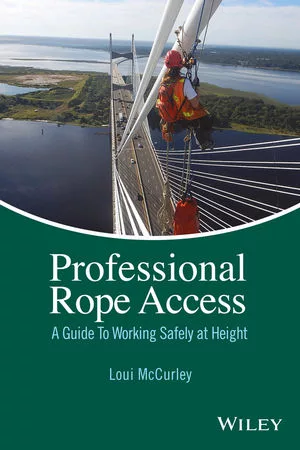
    Professional Rope Access: A Guide To Working Safely at Height

See More Products

Events

View AllSubmit An Event
  • Gas Detectors: The most common mistakes people make when using atmospheric monitors

    Learn the most common mistakes people make when using atmospheric monitors. Join Bob Henderson from GFG Instrumentation for this educational webinar.
View AllSubmit An Event

Related Directories

  • American Heart Association

×

Become a Leader in Safety Culture

Build your knowledge with ISHN, covering key safety, health and industrial hygiene news, products, and trends.

JOIN TODAY
  • RESOURCES
    • Advertise
    • Contact Us
    • Directories
    • Manufacturing Division
    • Store
    • Want More
  • SIGN UP TODAY
    • Create Account
    • eMagazine
    • Newsletters
    • Customer Service
    • Manage Preferences
  • SERVICES
    • Marketing Services
    • Reprints
    • Market Research
    • List Rental
    • Survey/Respondent Access
  • STAY CONNECTED
    • LinkedIn
    • Facebook
    • YouTube
    • X (Twitter)
  • PRIVACY
    • PRIVACY POLICY
    • TERMS & CONDITIONS
    • DO NOT SELL MY PERSONAL INFORMATION
    • PRIVACY REQUEST
    • ACCESSIBILITY

Copyright ©2026. All Rights Reserved BNP Media, Inc. and BNP Media II, LLC.

Design, CMS, Hosting & Web Development :: ePublishing