ISHN logo
search
cart
facebook twitter linkedin youtube
  • Sign In
  • Create Account
  • Sign Out
  • My Account
ISHN logo
  • NEWS
    • Today's News
    • Global Safety News
    • Government Regulations
  • PRODUCTS
    • Product Innovations
    • Featured Products
  • TOPICS
    • Environmental Health and Safety
    • Facility Safety
    • Workplace Health
    • Occupational Safety
    • PPE
    • More Topics
  • CONSTRUCTION
  • TECHNOLOGY
  • COLUMNS
    • Best Practices
    • Dave Johnson: What’s going on
    • Editorial Comments
    • Leading Safety
  • MULTIMEDIA
    • ISHN Podcast
    • Videos
    • Cold Stress Education Quiz
    • Webinars
    • White Papers
  • MORE
    • Buyer's Guide
    • Newsletters
    • Convention Companion
    • Polls
    • Events
    • ISHN Store
    • Sponsor Insights
  • EMAGAZINE
    • eMagazine
    • Archived Issues
    • Contact
    • Advertise
  • JOIN TODAY!
Workplace Health

Radiation detectors protect public health

“Dirty bomb” alerts raised by personal & passive devices
By Maureen Paraventi
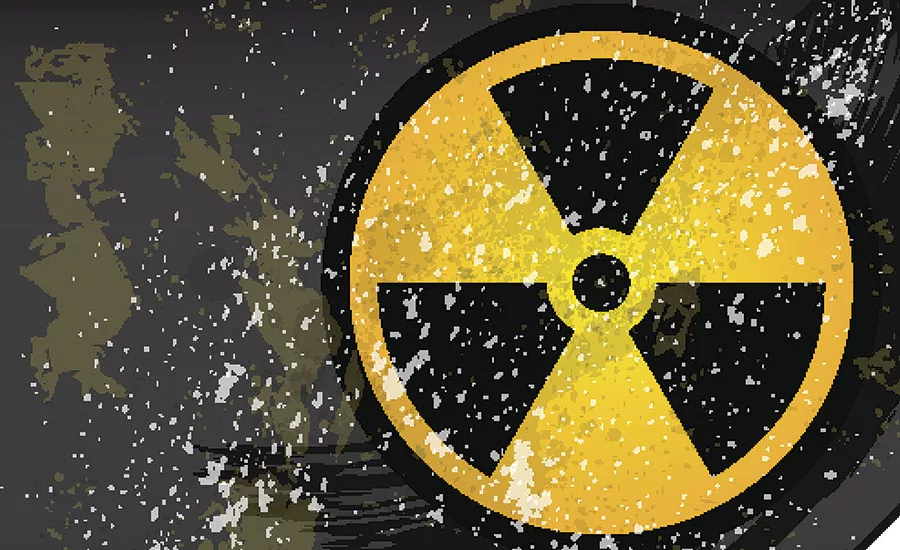
The symbol for radioactivity is universally known and helps create awareness and safety about radioactive situations

The symbol for radioactivity is universally known and helps create awareness and safety about radioactive situations

December 1, 2016

First responders, Homeland Security officers and others whose jobs involve safeguarding the public are increasingly arming themselves with radiation detection devices that can help them deal with hazardous materials events or acts of terrorism. Protecting their own safety as well as the safety of the citizens they serve depends upon their supervisors choosing the type of detection equipment that is appropriate for the likely scenarios they will face and on making sure that the people on the front lines know how to use it correctly.

A robust program

New York City, understandably, has developed a robust radiation detection system which includes both personal radiation detectors that officers carry with them while on duty and a system of passive detection that covers city streets, tunnels and waterways. The personal devices are about the size of pagers and produce a humming noise when radiation levels above normal are detected. The passive systems includes cars placed around the city with radiation detectors hidden in them as well as a counterterrorism boat with a radiation detector built right into its hull — a complex and connected network intended to alert authorities to the presence of “dirty bombs”  — which combine conventional explosives like dynamite with radioactive materials — before they can be detonated.

The detectors in use are capable of detecting even minute amounts of radiation. Fortunately, many of the “hits” that register are for legitimate instances of radiation, such as with a patient who has recently had radioiodine treatment for a thyroid condition, or some other low-mass radioactive element used in nuclear medicine.1

Event protection

Beyond day-to-day security, special events which draw large crowds have also come to require the deployment of radiation detection devices. During last year’s Independence Day celebrations, detectors were in heavy use around Washington, D.C., carried by Massachusetts state police on duty in Boston and manned by National Guard units all around the country.2

Training is critical

Training personnel in the use of detectors is vital in security efforts. The Boston Fire Department’s special operations unit recently held an event at which they showed first responders from several nearby communities how to use the latest radiation detection equipment.3

In Cleburne, Texas radiation detectors were a key part of a mock drill held this year for first responders. The event was designed to prepare them in case there is ever an explosion at the Comanche Peak Nuclear Plant which is about 30 miles west of the city.

Participants wearing hazardous material suits wore dosimeters on the outside of their suits to record any radiological doses they might receive while performing their duties, which included using detectors to determine if the “evacuees” being brought to the staging area had been contaminated with radiation. Contaminated evacuees were directed to a separate area where they showered and were given clean clothes – then monitored again to determine if the decontamination efforts had been successful.4

Radiation is a form of energy that occurs both naturally, in sunlight, and in man-made forms used in X-rays, nuclear power plants and cancer treatments. Exposure to large doses of radiation can be fatal and can cause immediate radiation sickness as well as delayed illnesses like cancer.


1. http://tinyurl.com/jofwwyw

2. http://tinyurl.com/hynmmjj

3. http://tinyurl.com/gu3ky9c

4. http://tinyurl.com/z83ejp4

KEYWORDS: radiation

Share This Story

Looking for a reprint of this article?
From high-res PDFs to custom plaques, order your copy today!

Maureen Paraventi is Web Editor of ISHN.

Recommended Content

JOIN TODAY
to unlock your recommendations.

Already have an account? Sign In

  • forklift safety

    Exploring the latest technologies in forklift safety

    With more staff and more stock in warehousing now more...
    Workplace Training Strategies
    By: Josh Cramer
  • welding

    All about welder’s flash or arc eye

    A flash burn is a painful inflammation of the cornea,...
    Environmental Health and Safety
  • dangerous jobs

    The 10 most dangerous jobs in the U.S.

    On-the-job deaths have been rising — hitting the highest...
    Government Safety Regulations
    By: Benita Mehta
Manage My Account
  • eMagazine Subscriptions
  • ISHN Newsletter & Other Newsletter Alerts
  • Online Registration
  • Manage My Preferences
  • Subscription Customer Service

More Videos

Sponsored Content

Sponsored Content is a special paid section where industry companies provide high quality, objective, non-commercial content around topics of interest to the ISHN audience. All Sponsored Content is supplied by the advertising company and any opinions expressed in this article are those of the author and not necessarily reflect the views of ISHN or its parent company, BNP Media. Interested in participating in our Sponsored Content section? Contact your local rep!

close
  • man wearing the the Sundström SR200 Full Face Mask Respirator
    Sponsored byOHD

    5 Fit Testing Mistakes That Could Cost You

  • This image shows Magid AcuSpex polarized blue mirrored safety glasses.
    Sponsored byMagid Glove and Safety

    Construction PPE Guide: What Crews Need for Each Task

  • lone worker in confined space
    Sponsored byAlphasense Ltd.

    GET THE LEAD OUT of your Safety Oxygen Sensors!

Popular Stories

SpaceX 7 launch

OSHA Investigating Fatal Fall at SpaceX Starbase

Worker Impairment

How to Tell When a Co-Worker is Impaired? A Safety Pro’s Challenge

Automated loading dock equipment

After March 2026 Rivian Death, Safety Managers Reassess Loading Dock Systems Under OSHA's Warehouse Emphasis Program

top 10 most dangerous jobs

Poll

Seasonal Readiness

With the federal heat stress prevention rule on the horizon, which area of your safety program needs the most attention?
View Results Poll Archive

Products

Surviving an OSHA Audit A Management Guide, 2nd Edition

Surviving an OSHA Audit A Management Guide, 2nd Edition

See More Products

ISHN Podcasts

Related Articles

  • The symbol for radioactivity is universally known and helps create awareness and safety about radioactive situations

    Radiation detectors protect public health

    See More
  • Opening up food safety data to better protect public health

    See More
  • Public health leaders make urgent joint call to protect prevention and health care

    See More

Related Products

See More Products
  • 9781138749573.jpg

    Occupational Health and Safety Management: A Practical Approach, Third Edition

  • industrial hy.jpg

    Industrial Hygiene: Improving Worker Health through an Operational Risk Approach

  • download (1).jpg

    Safety Rebels Real-World Transformations in Health and Safety

See More Products

Events

View AllSubmit An Event
  • Gas Detectors: The most common mistakes people make when using atmospheric monitors

    Learn the most common mistakes people make when using atmospheric monitors. Join Bob Henderson from GFG Instrumentation for this educational webinar.
  • November 20, 2013

    Non-Ionizing Radiation and Fields 3 Khz–300 Ghz webinar

    Electromagnetic radiation (EMR) is a physical agent, but is not homogeneous. The physics, health effects and assessment methods differ over different regions of the EMR spectrum in the occupational environment. Examples of the sources of occupational exposure include radar systems, radio and TV broadcast systems, radiofrequency diathermy, dielectric heaters and sealers and communication equipment.
View AllSubmit An Event
×

Become a Leader in Safety Culture

Build your knowledge with ISHN, covering key safety, health and industrial hygiene news, products, and trends.

JOIN TODAY
  • RESOURCES
    • Advertise
    • Contact Us
    • Directories
    • Manufacturing Division
    • Store
    • Want More
  • SIGN UP TODAY
    • Create Account
    • eMagazine
    • Newsletters
    • Customer Service
    • Manage Preferences
  • SERVICES
    • Marketing Services
    • Reprints
    • Market Research
    • List Rental
    • Survey/Respondent Access
  • STAY CONNECTED
    • LinkedIn
    • Facebook
    • YouTube
    • X (Twitter)
  • PRIVACY
    • PRIVACY POLICY
    • TERMS & CONDITIONS
    • DO NOT SELL MY PERSONAL INFORMATION
    • PRIVACY REQUEST
    • ACCESSIBILITY

Copyright ©2026. All Rights Reserved BNP Media, Inc. and BNP Media II, LLC.

Design, CMS, Hosting & Web Development :: ePublishing