ISHN logo
search
cart
facebook twitter linkedin youtube
  • Sign In
  • Create Account
  • Sign Out
  • My Account
ISHN logo
  • NEWS
    • Today's News
    • Global Safety News
    • Government Regulations
  • PRODUCTS
    • Product Innovations
    • Featured Products
  • TOPICS
    • Environmental Health and Safety
    • Facility Safety
    • Workplace Health
    • Occupational Safety
    • PPE
    • More Topics
  • CONSTRUCTION
  • TECHNOLOGY
  • COLUMNS
    • Best Practices
    • Dave Johnson: What’s going on
    • Editorial Comments
    • Leading Safety
  • MULTIMEDIA
    • ISHN Podcast
    • Videos
    • Cold Stress Education Quiz
    • Webinars
    • White Papers
  • MORE
    • Buyer's Guide
    • Newsletters
    • Convention Companion
    • Polls
    • Events
    • ISHN Store
    • Sponsor Insights
  • EMAGAZINE
    • eMagazine
    • Archived Issues
    • Contact
    • Advertise
  • JOIN TODAY!
Today's Safety NewsWorkplace Health

Noise-related hearing loss not limited to work exposure
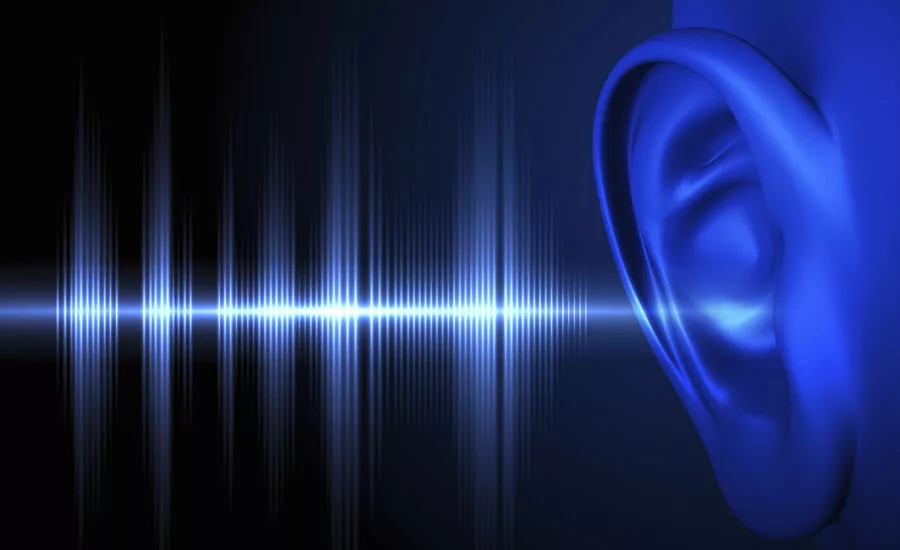
hearing
February 7, 2017

Unless your hearing is tested, it’s really hard to know if it’s damaged. That’s the message of a recent Centers for Disease Control and Prevention (CDC) survey that found about one in four U.S. adults who say their hearing is good or excellent actually have hearing damage. Now the latest CDC Vital Signs report shows that much of this damage is from loud sounds encountered during everyday activities at home and in the community.

CDC researchers analyzed more than 3,500 hearing tests conducted on adult participants in the 2012 National Health and Nutrition Examination Survey. They found that 20 percent of people who reported no job-related noise exposure had hearing damage in a pattern usually caused by noise. This damage – shown by a distinctive drop in the ability to hear high-pitched sounds – appeared as early as age 20. This research was conducted by CDC with support from the National Institute on Deafness and other Communication Disorders, National Institutes of Health.

Too much noise exposure at home or in the community – from things like using a leaf blower or going to loud concerts – can damage a person’s hearing just as much as working in a very noisy place.

“40 million Americans show some hearing damage from loud noise, with nearly 21 million reporting no exposure to loud noise at work," said CDC Acting Director Dr. Anne Schuchat. “This can be distressing for people affected and their loved ones. We hope this report will help raise awareness of this problem and help clinicians reduce their patients’ risk for early hearing loss.”

The report found:

  • About 53 percent of adults with noise-induced hearing damage reported no job exposure to loud sounds. This damage—shown by a distinctive drop in the ability to hear high-pitched sounds—appeared as early as age 20.
  • Almost one in four adults ages 20 to 69 who reported good to excellent hearing already have some hearing loss.
  • Almost 1 in 5 adults who reported no job exposure to noise showed hearing damage indicative of noise exposure.
  • The presence of hearing loss increased with age, from about 1 in 5 (19%) among young adults ages 20-29 to more than 1 in 4 (27%) among adults ages 50-59.
  • Hearing loss is more common among men and people over the age of 40 years.

“Older people are more likely to have hearing loss, but this study finds some young adults are already losing some hearing, so this is a concern for all age groups,” Dr. Schuchat said. “Asking patients about their hearing, and providing tips for reducing exposure to loud noises, can help our patients preserve their hearing longer."

A few recent studies have shown an increase in the number of young people exposed to loud sounds through portable devices and at entertainment venues. More research is needed on exposure to noise in early life and its relationship to hearing loss as people age.

Trouble with hearing is the third most commonly reported chronic health condition in the U.S. About 40 million Americans ages 20 to 69 have hearing loss in one or both ears that may be due to noise exposure. Studies have shown that untreated hearing loss is associated with anxiety, depression, loneliness, and stress. In addition to hearing loss, chronic noise exposure has been associated with worsening of heart disease, increased blood pressure, and other adverse health effects.

The cost for the first year of hearing loss treatment in adults ages 65 and older is projected to reach an estimated $51 billion by 2030.

Healthcare providers can help their patients slow the progression of hearing loss from noise exposure. CDC encourages primary care providers to ask patients about their exposure to loud noise and trouble hearing. When patients show or report hearing problems, providers can examine their hearing or refer them to a hearing specialist. At routine health care visits, providers also can explain how noise exposure can permanently damage hearing and teach patients how to protect their hearing.

People concerned about their hearing can:

  • Avoid noisy places whenever possible.
  • Use earplugs, protective ear muffs, or noise-canceling headphones when they are around loud noises.
  • Keep the volume down when watching television, listening to music, and using earbuds or headphones.
  • Ask their doctor for a hearing checkup.

For more information on this Vital Signs report: https://www.cdc.gov/vitalsigns.

KEYWORDS: hearing impairment hearing loss noise

Share This Story

Looking for a reprint of this article?
From high-res PDFs to custom plaques, order your copy today!

Recommended Content

JOIN TODAY
to unlock your recommendations.

Already have an account? Sign In

  • forklift safety

    Exploring the latest technologies in forklift safety

    With more staff and more stock in warehousing now more...
    Workplace Training Strategies
    By: Josh Cramer
  • welding

    All about welder’s flash or arc eye

    A flash burn is a painful inflammation of the cornea,...
    Environmental Health and Safety
  • dangerous jobs

    The 10 most dangerous jobs in the U.S.

    On-the-job deaths have been rising — hitting the highest...
    Transportation Safety
    By: Benita Mehta
Manage My Account
  • eMagazine Subscriptions
  • ISHN Newsletter & Other Newsletter Alerts
  • Online Registration
  • Manage My Preferences
  • Subscription Customer Service

More Videos

Sponsored Content

Sponsored Content is a special paid section where industry companies provide high quality, objective, non-commercial content around topics of interest to the ISHN audience. All Sponsored Content is supplied by the advertising company and any opinions expressed in this article are those of the author and not necessarily reflect the views of ISHN or its parent company, BNP Media. Interested in participating in our Sponsored Content section? Contact your local rep!

close
  • man wearing the the Sundström SR200 Full Face Mask Respirator
    Sponsored byOHD

    5 Fit Testing Mistakes That Could Cost You

  • This image shows Magid AcuSpex polarized blue mirrored safety glasses.
    Sponsored byMagid Glove and Safety

    Construction PPE Guide: What Crews Need for Each Task

  • lone worker in confined space
    Sponsored byAlphasense Ltd.

    GET THE LEAD OUT of your Safety Oxygen Sensors!

Popular Stories

SpaceX 7 launch

OSHA Investigating Fatal Fall at SpaceX Starbase

Worker Impairment

How to Tell When a Co-Worker is Impaired? A Safety Pro’s Challenge

psychology in the workplace

Most Workplaces Measure Psychological Safety, Ignoring Psychosocial Risks

top 10 most dangerous jobs

Poll

Seasonal Readiness

With the federal heat stress prevention rule on the horizon, which area of your safety program needs the most attention?
View Results Poll Archive

Products

Surviving an OSHA Audit A Management Guide, 2nd Edition

Surviving an OSHA Audit A Management Guide, 2nd Edition

See More Products

ISHN Podcasts

Related Articles

  • New OSHA web page tackles work-related hearing loss

    See More
  • ISHN_CasellaF_0620_pic.jpg

    How to best protect your workforce against noise-induced hearing loss

    See More
  • Educate your “tweeners” to prevent noise-induced hearing loss

    See More

Events

View AllSubmit An Event
  • September 22, 2016

    Bang! Damage from impulse noise and the effectiveness of hearing protection

    Some of the most hazardous sounds we hear are brief sounds – noises from impacts and impulses. These arise from sources like household tools, construction, industrial noise, firecrackers, guns, and even automotive airbags.
View AllSubmit An Event
×

Become a Leader in Safety Culture

Build your knowledge with ISHN, covering key safety, health and industrial hygiene news, products, and trends.

JOIN TODAY
  • RESOURCES
    • Advertise
    • Contact Us
    • Directories
    • Manufacturing Division
    • Store
    • Want More
  • SIGN UP TODAY
    • Create Account
    • eMagazine
    • Newsletters
    • Customer Service
    • Manage Preferences
  • SERVICES
    • Marketing Services
    • Reprints
    • Market Research
    • List Rental
    • Survey/Respondent Access
  • STAY CONNECTED
    • LinkedIn
    • Facebook
    • YouTube
    • X (Twitter)
  • PRIVACY
    • PRIVACY POLICY
    • TERMS & CONDITIONS
    • DO NOT SELL MY PERSONAL INFORMATION
    • PRIVACY REQUEST
    • ACCESSIBILITY

Copyright ©2026. All Rights Reserved BNP Media, Inc. and BNP Media II, LLC.

Design, CMS, Hosting & Web Development :: ePublishing