ISHN logo
search
cart
facebook twitter linkedin youtube
  • Sign In
  • Create Account
  • Sign Out
  • My Account
ISHN logo
  • NEWS
    • Today's News
    • Global Safety News
    • Government Regulations
  • PRODUCTS
    • Product Innovations
    • Featured Products
  • TOPICS
    • Environmental Health and Safety
    • Facility Safety
    • Workplace Health
    • Occupational Safety
    • PPE
    • More Topics
  • CONSTRUCTION
  • TECHNOLOGY
  • COLUMNS
    • Best Practices
    • Dave Johnson: What’s going on
    • Editorial Comments
    • Leading Safety
  • MULTIMEDIA
    • ISHN Podcast
    • Videos
    • Cold Stress Education Quiz
    • Webinars
    • White Papers
  • MORE
    • Buyer's Guide
    • Newsletters
    • Convention Companion
    • Polls
    • Events
    • ISHN Store
    • Sponsor Insights
  • EMAGAZINE
    • eMagazine
    • Archived Issues
    • Contact
    • Advertise
  • JOIN TODAY!
Environmental Health and SafetyWorkplace Health

Don't underestimate frostbite danger

winter
January 3, 2018

With a large swath of the nation in the grip of icy cold temperatures, frostbite is a very real hazard for anyone who must spend time outdoors.

Frostbite is a serious condition that’s caused by exposure to extremely cold temperatures - a bodily injury caused by freezing that results in loss of feeling and color in affected areas. It most often affects the nose, ears, cheeks, chin, fingers, or toes. Frostbite can permanently damage the body, and severe cases can lead to amputation.

Who’s most at risk?

You may have a greater risk of developing frostbite if you:

  • Have poor blood circulation
  • Are not properly dressed for extremely cold temperatures

Recognizing frostbite

At the first signs of redness or pain in any skin area, get out of the cold or protect any exposed skin—frostbite may be beginning. Any of the following signs may indicate frostbite:

  • a white or grayish-yellow skin area
  • skin that feels unusually firm or waxy
  • numbness

A victim is often unaware of frostbite until someone else points it out because the frozen tissues are numb.

What to do

If you detect symptoms of frostbite, seek medical care. First determine whether the victim also shows signs of hypothermia. Hypothermia is a more serious medical condition and requires emergency medical assistance.

If (1) there is frostbite but no sign of hypothermia and (2) immediate medical care is not available, proceed as follows:

  • Get into a warm room as soon as possible.
  • Unless absolutely necessary, do not walk on frostbitten feet or toes—this increases the damage.
  • Immerse the affected area in warm—not hot—water (the temperature should be comfortable to the touch for unaffected parts of the body).
  • Or, warm the affected area using body heat. For example, the heat of an armpit can be used to warm frostbitten fingers.
  • Do not rub the frostbitten area with snow or massage it at all. This can cause more damage.
  • Don’t use a heating pad, heat lamp, or the heat of a stove, fireplace, or radiator for warming. Affected areas are numb and can be easily burned.

These procedures are not substitutes for proper medical care. Hypothermia is a medical emergency and frostbite should be evaluated by a health care provider.

Be prepared

Taking a first aid and emergency resuscitation (CPR) course is a good way to prepare for cold-weather health problems. Knowing what to do is an important part of protecting your health and the health of others.

Taking preventive action is your best defense against having to deal with extreme cold-weather conditions. By preparing your home and car in advance for winter emergencies, and by observing safety precautions during times of extremely cold weather, you can reduce the risk of weather-related health problems.

More Information: Hypothermia

Source: CDC

KEYWORDS: amputation hazards first aid hypothermia occupational exposure

Share This Story

Looking for a reprint of this article?
From high-res PDFs to custom plaques, order your copy today!

Recommended Content

JOIN TODAY
to unlock your recommendations.

Already have an account? Sign In

  • forklift safety

    Exploring the latest technologies in forklift safety

    With more staff and more stock in warehousing now more...
    Facility Safety
    By: Josh Cramer
  • welding

    All about welder’s flash or arc eye

    A flash burn is a painful inflammation of the cornea,...
    Environmental Health and Safety
  • dangerous jobs

    The 10 most dangerous jobs in the U.S.

    On-the-job deaths have been rising — hitting the highest...
    Occupational Safety
    By: Benita Mehta
Manage My Account
  • eMagazine Subscriptions
  • ISHN Newsletter & Other Newsletter Alerts
  • Online Registration
  • Manage My Preferences
  • Subscription Customer Service

More Videos

Sponsored Content

Sponsored Content is a special paid section where industry companies provide high quality, objective, non-commercial content around topics of interest to the ISHN audience. All Sponsored Content is supplied by the advertising company and any opinions expressed in this article are those of the author and not necessarily reflect the views of ISHN or its parent company, BNP Media. Interested in participating in our Sponsored Content section? Contact your local rep!

close
  • man wearing the the Sundström SR200 Full Face Mask Respirator
    Sponsored byOHD

    5 Fit Testing Mistakes That Could Cost You

  • This image shows Magid AcuSpex polarized blue mirrored safety glasses.
    Sponsored byMagid Glove and Safety

    Construction PPE Guide: What Crews Need for Each Task

  • lone worker in confined space
    Sponsored byAlphasense Ltd.

    GET THE LEAD OUT of your Safety Oxygen Sensors!

Popular Stories

SpaceX 7 launch

OSHA Investigating Fatal Fall at SpaceX Starbase

dust explosion

Tennessee OSHA Issues Record $3.1M Fine After Deadly Explosion at Munitions Plant

roofing dangerous jobs Getty.jpg

OSHA Finds Florida Roofing Company Willfully Exposed Workers to Safety Hazards After Worker’s Fatal Fall

top 10 most dangerous jobs

Poll

Seasonal Readiness

With the federal heat stress prevention rule on the horizon, which area of your safety program needs the most attention?
View Results Poll Archive

Products

Surviving an OSHA Audit A Management Guide, 2nd Edition

Surviving an OSHA Audit A Management Guide, 2nd Edition

See More Products

ISHN Podcasts

Related Articles

  • Don’t underestimate danger of driving while sleepy

    See More
  • foot

    Don’t underestimate an injured or broken toe

    See More
  • Don't underestimate undergarments

    See More

Related Products

See More Products
  • 1119010160.jpg

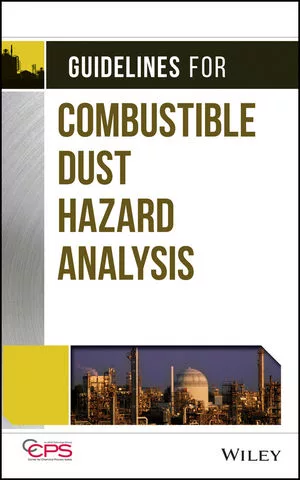
    Guidelines for Combustible Dust Hazard Analysis

  • 1119772133.jpg

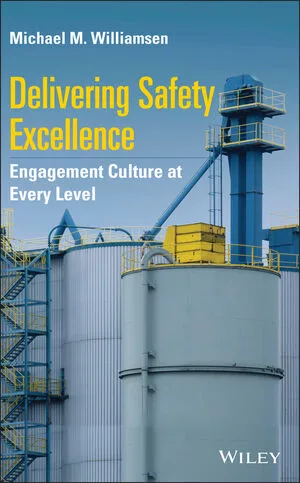
    Delivering Safety Excellence: Engagement Culture at Every Level

  • 3E

    Safety Professional's Reference and Study Guide, Third Edition

See More Products
×

Become a Leader in Safety Culture

Build your knowledge with ISHN, covering key safety, health and industrial hygiene news, products, and trends.

JOIN TODAY
  • RESOURCES
    • Advertise
    • Contact Us
    • Directories
    • Manufacturing Division
    • Store
    • Want More
  • SIGN UP TODAY
    • Create Account
    • eMagazine
    • Newsletters
    • Customer Service
    • Manage Preferences
  • SERVICES
    • Marketing Services
    • Reprints
    • Market Research
    • List Rental
    • Survey/Respondent Access
  • STAY CONNECTED
    • LinkedIn
    • Facebook
    • YouTube
    • X (Twitter)
  • PRIVACY
    • PRIVACY POLICY
    • TERMS & CONDITIONS
    • DO NOT SELL MY PERSONAL INFORMATION
    • PRIVACY REQUEST
    • ACCESSIBILITY

Copyright ©2026. All Rights Reserved BNP Media, Inc. and BNP Media II, LLC.

Design, CMS, Hosting & Web Development :: ePublishing