ISHN logo
search
cart
facebook twitter linkedin youtube
  • Sign In
  • Create Account
  • Sign Out
  • My Account
ISHN logo
  • NEWS
    • Today's News
    • Global Safety News
    • Government Regulations
  • PRODUCTS
    • Product Innovations
    • Featured Products
  • TOPICS
    • Environmental Health and Safety
    • Facility Safety
    • Workplace Health
    • Occupational Safety
    • PPE
    • More Topics
  • CONSTRUCTION
  • TECHNOLOGY
  • COLUMNS
    • Best Practices
    • Dave Johnson: What’s going on
    • Editorial Comments
    • Leading Safety
  • MULTIMEDIA
    • ISHN Podcast
    • Videos
    • Cold Stress Education Quiz
    • Webinars
    • White Papers
  • MORE
    • Buyer's Guide
    • Newsletters
    • Convention Companion
    • Polls
    • Events
    • ISHN Store
    • Sponsor Insights
  • EMAGAZINE
    • eMagazine
    • Archived Issues
    • Contact
    • Advertise
  • JOIN TODAY!
Occupational SafetyEnvironmental Health and SafetySafety TechnologyWorkplace Health

All about welding fume: Dangers, risks and how to reduce them
By Megan McConville
welding fume hazards
December 20, 2018

The International Agency for Research on Cancer’s (IARC) re-classification of welding fume from welding as a Class 1 carcinogen has emphasized the very real health risks welders face on the job. Previously classified as “possibly carcinogenic to humans,” welders should take every precaution possible to protect their health, even if the risk is not visible.

What is welding fume?

The exact composition of welding fume varies based on the application and welding method being used. There are two main components:

  • Metal dust particles caused by welding are so fine (approximately 0.0001mm) and highly concentrated they appear like smoke, creating a high risk of inhalation. This dust can be made up of a number of toxic metals, including aluminum, antimony, arsenic, beryllium, cadmium, chromium, cobalt, iron, lead, manganese, molybdenum, nickel, silver, tin, titanium, vanadium and zinc.
  • The fusion of metals produces a number of potentially toxic gases. These include argon, carbon dioxide, carbon monoxide, helium, hydrogen fluoride, iron oxide, nitric acid, nitrogen, nitrogen dioxide, ozone, and phosgene.

Why is welding fume dangerous?

Inhalation can cause serious lung complications and diseases, as well as damage the brain and nervous system. Common complications caused by exposure to welding fume include various cancers; emphysema; kidney failure; lead poisoning and anemia; Parkinson’s Disease; metal fume fever; irritation of nose, sinus, throat and lungs; and asthma.

Many toxic gases and fumes can have a cumulative effect on health without warning.

How can welders protect themselves?

Simple steps can minimize exposure:

  • Wear a respirator.
  • Don’t stand in before air flow pushing fumes away from your workspace.
  • Position your face as far from fumes as possible.
  • Use a small cooling fan if no air flow moves fumes from your workspace,.
  • Use any provided ventilation systems.
  • When possible, remove any coatings and paint from the metal prior to welding. This will avoid production of other toxic gases that may be produced under fusion of those coatings.
  • If welding in confined spaces with no extraction ventilation system or if welding fumes cannot be avoided, wear a respirator with good filtration.

Choosing a welding respirator

To eliminate the possibility of inhaling welding fume, there are two main ways of supplying air to a respirator:

  • A powered air purifying respirator (PAPR) is a battery-powered filter unit that mounts on a belt and supplies air to your respirator. If welding in a large, open space with no air flow, this is a good option because it is fully portable. As it’s positioned on your back, a PAPR does not draw air from the fume zone.
  • A supplied air system uses a compressor outside the work zone to draw air through a larger filter to your helmet via an air supply hose and flow control valve. When welding in a confined space, it is paramount to use this system.

Both systems filter particulates, not gases. It’s important the air going to the respirator is of a quality that meets the regulation set in the user manual. Always be aware of the quality of air being supplied to your respirator. Gas detection devices monitor air quality and alert you to unsafe levels of dangerous gases.


Sources:

  • Welding Fumes and Other Hazards in the Life of a Welder. Retrieved from http://www.welding-rod-dangers.com/exposure/exposure.html
  • Ladd, M. (2007, July 10). The invisible risks of welding. Retrieved from http://www.thefabricator.com/article/safety/the-invisible-risks-of-welding
  • Controlling Hazardous Fume and Gases during Welding (2013, March). Retrieved from https://www.osha.gov/Publications/OSHA_FS-3647_Welding.pdf
  • Pfister, T. The Hazards in Welding. Retrieved from http://dustcontrol.com/post/198-the-hazards-in-welding.html


KEYWORDS: carcinogens hazardous fumes

Share This Story

Looking for a reprint of this article?
From high-res PDFs to custom plaques, order your copy today!

Megan McConville is a Digital and Social Content Specialist at RPB Safety. Established in the 1970s, RPB Safety specializes in supplied air respirators, airline filters, monitoring equipment & safety essentials.

Contact: 866-494-4599; sales@rpbsafety.com; rpbsafety.com

Recommended Content

JOIN TODAY
to unlock your recommendations.

Already have an account? Sign In

  • forklift safety

    Exploring the latest technologies in forklift safety

    With more staff and more stock in warehousing now more...
    Facility Safety
    By: Josh Cramer
  • welding

    All about welder’s flash or arc eye

    A flash burn is a painful inflammation of the cornea,...
    Environmental Health and Safety
  • dangerous jobs

    The 10 most dangerous jobs in the U.S.

    On-the-job deaths have been rising — hitting the highest...
    Government Safety Regulations
    By: Benita Mehta
Manage My Account
  • eMagazine Subscriptions
  • ISHN Newsletter & Other Newsletter Alerts
  • Online Registration
  • Manage My Preferences
  • Subscription Customer Service

More Videos

Sponsored Content

Sponsored Content is a special paid section where industry companies provide high quality, objective, non-commercial content around topics of interest to the ISHN audience. All Sponsored Content is supplied by the advertising company and any opinions expressed in this article are those of the author and not necessarily reflect the views of ISHN or its parent company, BNP Media. Interested in participating in our Sponsored Content section? Contact your local rep!

close
  • man wearing the the Sundström SR200 Full Face Mask Respirator
    Sponsored byOHD

    5 Fit Testing Mistakes That Could Cost You

  • This image shows Magid AcuSpex polarized blue mirrored safety glasses.
    Sponsored byMagid Glove and Safety

    Construction PPE Guide: What Crews Need for Each Task

  • lone worker in confined space
    Sponsored byAlphasense Ltd.

    GET THE LEAD OUT of your Safety Oxygen Sensors!

Popular Stories

SpaceX 7 launch

OSHA Investigating Fatal Fall at SpaceX Starbase

Automated loading dock equipment

After March 2026 Rivian Death, Safety Managers Reassess Loading Dock Systems Under OSHA's Warehouse Emphasis Program

psychology in the workplace

Most Workplaces Measure Psychological Safety, Ignoring Psychosocial Risks

top 10 most dangerous jobs

Poll

Seasonal Readiness

With the federal heat stress prevention rule on the horizon, which area of your safety program needs the most attention?
View Results Poll Archive

Products

Surviving an OSHA Audit A Management Guide, 2nd Edition

Surviving an OSHA Audit A Management Guide, 2nd Edition

See More Products

ISHN Podcasts

Related Articles

  • How to reduce exposure to welding fume

    See More
  • How to Reduce Your Organization’s Risks Using Job Safety Analysis

    See More
  • Truck Safety

    How to Reduce Driver Fatigue-Related Risk

    See More

Related Products

See More Products
  • Top Ten Pitfalls in OSHA Recordkeeping and How to Avoid Them

  • 1118911040.jpg

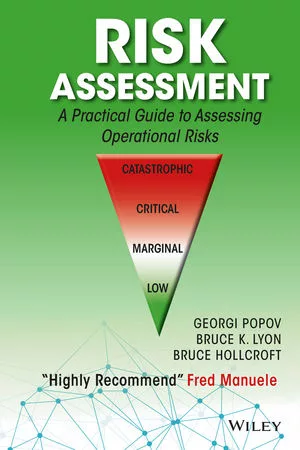
    Risk Assessment: A Practical Guide to Assessing Operational Risks

See More Products

Related Directories

  • ULT Canada Sales Inc.

    Vendor of fume extraction equipment for air filtration in various industries. Worldwide well-proven solutions removing air pollutants during manufacturing processes to protect staff, equipment, and product quality. Filtration of laser fume, welding fume, soldering fume, dusts, vapors, gases, and odors. Made in Germany!
  • ESAB Welding & Cutting

    At ESAB, we exist to shape the future of welding and cutting. We connect fabricators with the widest range of products and PPE under our industry-leading brand portfolio with the latest technologies to solve virtually any industry challenge — then we back it up with our knowledge, experience and passion to help them be more productive than ever before. To learn more, visit esab.com or call 1-800-ESAB-123.
×

Become a Leader in Safety Culture

Build your knowledge with ISHN, covering key safety, health and industrial hygiene news, products, and trends.

JOIN TODAY
  • RESOURCES
    • Advertise
    • Contact Us
    • Directories
    • Manufacturing Division
    • Store
    • Want More
  • SIGN UP TODAY
    • Create Account
    • eMagazine
    • Newsletters
    • Customer Service
    • Manage Preferences
  • SERVICES
    • Marketing Services
    • Reprints
    • Market Research
    • List Rental
    • Survey/Respondent Access
  • STAY CONNECTED
    • LinkedIn
    • Facebook
    • YouTube
    • X (Twitter)
  • PRIVACY
    • PRIVACY POLICY
    • TERMS & CONDITIONS
    • DO NOT SELL MY PERSONAL INFORMATION
    • PRIVACY REQUEST
    • ACCESSIBILITY

Copyright ©2026. All Rights Reserved BNP Media, Inc. and BNP Media II, LLC.

Design, CMS, Hosting & Web Development :: ePublishing