ISHN logo
search
cart
facebook twitter linkedin youtube
  • Sign In
  • Create Account
  • Sign Out
  • My Account
ISHN logo
  • NEWS
    • Today's News
    • Global Safety News
    • Government Regulations
  • PRODUCTS
    • Product Innovations
    • Featured Products
  • TOPICS
    • Environmental Health and Safety
    • Facility Safety
    • Workplace Health
    • Occupational Safety
    • PPE
    • More Topics
  • CONSTRUCTION
  • TECHNOLOGY
  • COLUMNS
    • Best Practices
    • Dave Johnson: What’s going on
    • Editorial Comments
    • Leading Safety
  • MULTIMEDIA
    • ISHN Podcast
    • Videos
    • Cold Stress Education Quiz
    • Webinars
    • White Papers
  • MORE
    • Buyer's Guide
    • Newsletters
    • Convention Companion
    • Polls
    • Events
    • ISHN Store
    • Sponsor Insights
  • EMAGAZINE
    • eMagazine
    • Archived Issues
    • Contact
    • Advertise
  • JOIN TODAY!
Workplace Health

Physically active women have lower risk of heart disease

Younger women having more acute heart attacks in the U.S.

February 22, 2019

Women who spent less of their day in sedentary behaviors—sitting or reclining while awake—had a significantly decreased risk of heart disease, but there has been an increase in the incidence of younger women having acute heart attacks in the U.S., according to two studies in a special Go Red for Women issue of the American Heart Association’s (AHA) journal Circulation, published in February, American Heart Month.

This is the third annual issue of the journal dedicated to research about women and cardiovascular health. It includes research articles and studies on topics such as how complicated pregnancies may be associated with a higher risk of death from heart disease and why bystanders may be less likely to perform CPR on women in cardiac arrest and others.

Higher death rates than men

“Women who have had heart attacks, strokes and other cardiovascular diseases continue to experience disproportionately higher death rates than men. In addition, sex disparities in cardiovascular care show women may be less likely to receive evidence-based treatments than men,” said Joseph A. Hill, M.D., Ph.D., the editor-in-chief of Circulation and professor of medicine and molecular biology at UT Southwestern Medical Center in Dallas, Texas.

“We hope that by highlighting some of the best research on cardiovascular disease in women, this issue of Circulation devoted to women’s heart health will ignite more interest in and greater commitment to conducting research in this area and propel relevant stakeholders to team up in the fight against cardiovascular disease in women,” said Hill.

View manuscript here.


Sedentary behavior and cardiovascular disease in older women: The Objective Physical Activity and Cardiovascular Health (OPACH) study

In a large prospective study of sedentary time and cardiovascular disease in women, each additional hour/day spent not sitting was associated with a 12 percent lower risk of any cardiovascular disease and a 26 percent lower risk of heart disease in women who were 63-97 years of age. A key finding was that reductions in sedentary time that were spread throughout the day (instead of occurring all at one time) were also associated with lower risk of cardiovascular diseases including heart attacks and strokes.

Researchers studied over 5,000 women in the OPACH Study who had not had a heart attack or stroke before the start of the study. The participants wore accelerometers, devices that measure physical activity, for 4-7 days to objectively evaluate their sedentary time, and their cardiovascular health was tracked for up to 4.9 years. 

The results showed a dose-response association between total daily sedentary time and cardiovascular disease and a dose-response association between the average duration of individual bouts of sedentary time and cardiovascular disease. The results were independent of health status, physical function and CVD risk factors including blood pressure, lipid levels and moderate-to-vigorous intensity physical activity.

-John Bellettiere,Ph.D., post-doctoral scholar, University of California San Diego, San Diego, California. After Feb. 19, view the manuscript here.

Twenty Year Trends and Sex Differences in Young Adults Hospitalized with Acute Myocardial Infarction: The ARIC Community Surveillance Study

Younger patients, ranging in age from 35 to 54 years of age, accounted for 27 percent of all people hospitalized with heart attacks in the U.S. between 1995-1999, and increased to 32 percent between 2010-2014, with a greater increase among women compared to men. During the study period, heart attack incidence for women rose from 21 percent to 31 percent; for men the incidence increased from 30 percent to 33 percent. 

Compared to young men, young women admitted to hospitals for heart attacks were more likely to be black, have high blood pressure, chronic kidney disease, diabetes and other medical conditions that raise the risk of having a heart attack. They were also less likely to receive invasive treatments to open clogged arteries or receive guideline recommended medications such as non-aspirin blood thinners, beta-blockers, cholesterol lowering drugs and therapies to reduce the risk of another heart attack.

-Melissa Caughey, Ph.D. instructor; University of North Carolina. After Feb. 19, view the manuscript here and an accompanying editorial here.

KEYWORDS: blood pressure CPR fitness

Share This Story

Looking for a reprint of this article?
From high-res PDFs to custom plaques, order your copy today!

Recommended Content

JOIN TODAY
to unlock your recommendations.

Already have an account? Sign In

  • forklift safety

    Exploring the latest technologies in forklift safety

    With more staff and more stock in warehousing now more...
    Facility Safety
    By: Josh Cramer
  • welding

    All about welder’s flash or arc eye

    A flash burn is a painful inflammation of the cornea,...
    Environmental Health and Safety
  • dangerous jobs

    The 10 most dangerous jobs in the U.S.

    On-the-job deaths have been rising — hitting the highest...
    Government Safety Regulations
    By: Benita Mehta
Manage My Account
  • eMagazine Subscriptions
  • ISHN Newsletter & Other Newsletter Alerts
  • Online Registration
  • Manage My Preferences
  • Subscription Customer Service

More Videos

Sponsored Content

Sponsored Content is a special paid section where industry companies provide high quality, objective, non-commercial content around topics of interest to the ISHN audience. All Sponsored Content is supplied by the advertising company and any opinions expressed in this article are those of the author and not necessarily reflect the views of ISHN or its parent company, BNP Media. Interested in participating in our Sponsored Content section? Contact your local rep!

close
  • man wearing the the Sundström SR200 Full Face Mask Respirator
    Sponsored byOHD

    5 Fit Testing Mistakes That Could Cost You

  • This image shows Magid AcuSpex polarized blue mirrored safety glasses.
    Sponsored byMagid Glove and Safety

    Construction PPE Guide: What Crews Need for Each Task

  • lone worker in confined space
    Sponsored byAlphasense Ltd.

    GET THE LEAD OUT of your Safety Oxygen Sensors!

Popular Stories

SpaceX 7 launch

OSHA Investigating Fatal Fall at SpaceX Starbase

dust explosion

Tennessee OSHA Issues Record $3.1M Fine After Deadly Explosion at Munitions Plant

Worker Impairment

How to Tell When a Co-Worker is Impaired? A Safety Pro’s Challenge

top 10 most dangerous jobs

Poll

Seasonal Readiness

With the federal heat stress prevention rule on the horizon, which area of your safety program needs the most attention?
View Results Poll Archive

Products

Surviving an OSHA Audit A Management Guide, 2nd Edition

Surviving an OSHA Audit A Management Guide, 2nd Edition

See More Products

ISHN Podcasts

Related Articles

  • How women can lower their risk of heart disease, strokes

    See More
  • Study finds one daily pill could help lower risk of heart disease in some patients

    See More
  • Pets may help reduce your risk of heart disease

    See More

Related Products

See More Products
  • industrial hy.jpg

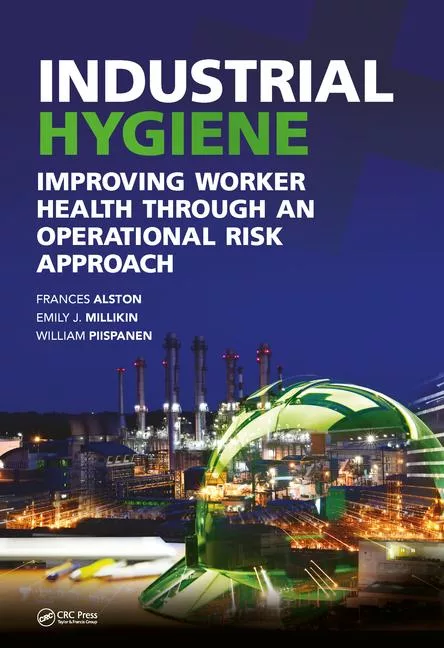
    Industrial Hygiene: Improving Worker Health through an Operational Risk Approach

  • 1118911040.jpg

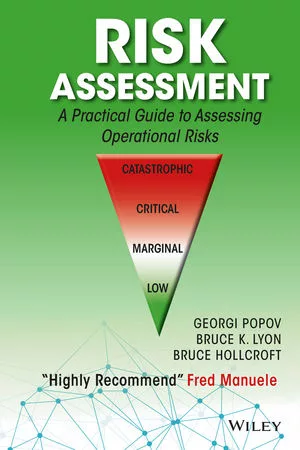
    Risk Assessment: A Practical Guide to Assessing Operational Risks

See More Products

Events

View AllSubmit An Event
  • May 23, 2017

    Zika Virus: An Emerging Infectious Disease, Epidemiology, Risks and Prevention in the Workplace

    Zika Virus: An Emerging Infectious Disease, Epidemiology, Risks and Prevention in the Workplace will present the history and evolution of the Zika Virus including understanding the geographic areas and populations at risk, the epidemiology of the disease, modes of transmission, case definitions, clinical presentation, health effects, surveillance and prevention in the workplace and in the community.
View AllSubmit An Event

Related Directories

  • Alliance of Women’s Safety Apparel Manufacturers (AWSAM)

    The Alliance of Women's Safety Apparel Manufacturers is a collection of specialty manufacturers and distributors committed to providing properly designed and fitted PPE for women. Our foundational pillars are Awareness, Access and Advocacy. Our non-profit organization has 12 Founding Members and aligns the needs of women in the workforce and the companies they work for with specialty manufacturers dedicated to providing appropriate PPE for women. The Founding Members of the organization have made great strides in removing barriers to access that have existed for many years and kept women from being equally protected. Together, we create a platform that increases awareness of products made for women, encourages equal access to appropriately fitting PPE, and advocates for the safety of women in the workforce. In the spirit of co-opetition, we collaborate to envision what is next for women in industry as we work side by side to accomplish our mission, increase our impact, and share the journey with everyone seeking to elevate diversity and equality in their workplace.
  • American Heart Association

  • MSA - The Safety Co.

    WE KNOW WHAT'S AT STAKE. Unpredictable work environments are often part of the job. That's why it's critically important to have the right safety equipment at the moment it matters most. MSA's complete lines of safety solutions help protect those workers at the heart of your operation.
×

Become a Leader in Safety Culture

Build your knowledge with ISHN, covering key safety, health and industrial hygiene news, products, and trends.

JOIN TODAY
  • RESOURCES
    • Advertise
    • Contact Us
    • Directories
    • Manufacturing Division
    • Store
    • Want More
  • SIGN UP TODAY
    • Create Account
    • eMagazine
    • Newsletters
    • Customer Service
    • Manage Preferences
  • SERVICES
    • Marketing Services
    • Reprints
    • Market Research
    • List Rental
    • Survey/Respondent Access
  • STAY CONNECTED
    • LinkedIn
    • Facebook
    • YouTube
    • X (Twitter)
  • PRIVACY
    • PRIVACY POLICY
    • TERMS & CONDITIONS
    • DO NOT SELL MY PERSONAL INFORMATION
    • PRIVACY REQUEST
    • ACCESSIBILITY

Copyright ©2026. All Rights Reserved BNP Media, Inc. and BNP Media II, LLC.

Design, CMS, Hosting & Web Development :: ePublishing