3 P’s of Welding Safety: Planning, preparation and protection
Keep these hot tips in mind to improve welding safety – and stay out of hot water
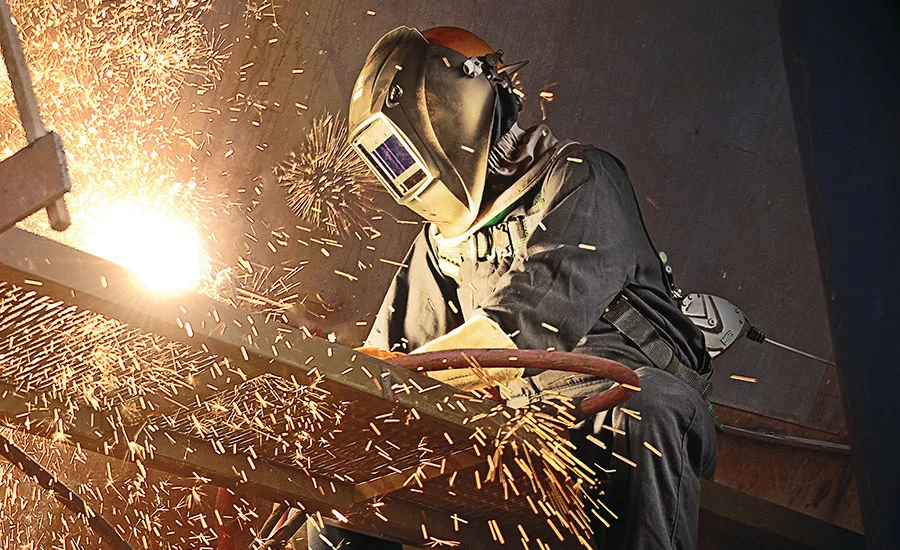
Welding — one of the OSHA-defined “hot work” activities — is a major task in many industries. You’ll find it performed in manufacturing, fabrication, and repair work. In fact, anywhere two or more materials must be joined together, welding will likely be present.
The three most common types of welding procedures performed by humans include Shielded Metal Arc Welding (SMAW), Metal Inert Gas welding (MIG), and Tungsten Inert Gas welding (TIG).
While each type has its own benefits, advantages and uses, they all have one thing in common: they’re very hot!
These procedures have the potential to harm people, property, and the environment, so developing a safe welding program is essential. In this article, we’ll look at several tips and best practices for improving welding safety.
The list is by no means exhaustive. Nor is it meant to provide legal or regulatory advice. But it should give you and your team some great talking points as you develop your own program.
The tips are divided into three categories that we’ll call the 3 Ps – Planning, Preparation, and Protection.
Planning: Analyze risks from bottom to top
Welding can be performed anywhere, so start your planning with a site hazard analysis. As you may for other potential hazards, include welding hazards during your walkthroughs.
A thorough, eyes-on approach works best. Identify flammables and other materials that can be affected by intense heat. This includes gasses, vapors, mists and fumes. And don’t forget combustible particulate solids, such as grain dusts. Identify any potentially explosive atmospheres.
Once you’ve discovered the hazards, determine if any special protective equipment or procedures are necessary. For example, you may need to use welding blankets, pads, or curtains to protect surrounding equipment or people.
Determine your work area classifications. There are three designations:
- Designated areas: Permanent areas specifically designed for hot work activities.
- Permit-required areas: Hot works are allowed as long as the required conditions are met and a permit issued.
- Non-permissible areas: Areas where hot work activities are not allowed. Explosive atmospheres, impaired fire protection, and various other reasons justify this classification.
Identify the PPE your workers will need for welding jobs. Outer clothing should be designed to minimize the potential for burns, igniting, and hot spark trapping. Leather gloves help prevent shock and burns from electrodes. Synthetics are not good garments for welding.
Once your planning is complete (although hazard analysis should be ongoing as processes and property change or evolve), you’re ready to prepare to weld.
Preparation: Set the scene for safety
Obviously, designated areas require less prep than permit-required locations. They’re already fire-resistant by design. In a permit-required area, secure, remove or protect any fire hazards within 35 feet of the work to comply with OSHA regulations and ANSI standards.
In any permissible space, make sure the welding equipment is in good working order, including cables and electrode holders.
The team member doing the hot work must be suited up properly. They should don the appropriate protective garments. This can include leather suits, jackets, sleeves, or aprons; as well as gloves and steel-toed boots.
Eye and face protection is a top priority. The welding helmet or shield should be inspected for damage. Repair any damages or replace the helmet with an undamaged one.
In a secure, designated welding area, head protection may not be necessary (although a leather or fire resistant skull cap keeps sparks from igniting your hair). However, in permit-required welding locations, there can be potential head injury from falling or protruding objects.
There are special adapters that attach welding shields or helmets to hard hats and some clip directly into hard hat slots. Others have a band that fits around the perimeter of the hard hat. It’s secured by clips that attach to the bottom edge of the shell. If the hard hat doesn’t have accessory slots, adapters are the way to go.
Notes of caution
Here’s a reminder, just because an accessory fits —a welding hood adapter, for example — it doesn’t necessarily mean it’s acceptable for use. According to ANSI Z89.1-2104 part 5:
“Accessories or replacement components, when installed, shall not cause the helmet to fail the requirements of this standard.
The entity claiming that an accessory or replacement component, when installed, does not cause the helmet to fail the requirements of this standard is responsible for providing justification upon request.”
If it has not been tested and certified, don’t use it.
Speaking of welding helmets, don’t forget the filter lens. Make sure you have the appropriate shade for the work. Using additional eye protection “under the hood” is always a great idea.
ADF (auto-darkening filter) lenses remain clear when you’re not welding and will darken as soon as you strike the arc. This could lead to some “nuisance blackouts” in extremely bright locations. Should the sensor get blocked, the lens might stop filtering.
Of course, preparing to work means policing the area. And that leads to the final P - protection.
Protection: Keep your PEP safe during welding work
PEP is an acronym for People, Environment, and Property. These are three primary concerns you have during any hot work activity.
A hot work permit is more than just the go-ahead nod to perform the work. It’s a checklist to make sure all the preparation steps have been done.
OSHA regulations for hot work requirements provide a comprehensive list of what needs to be done. Things like: condition of hot work equipment; special permissions required; requirements for areas within 35 feet of the hot work; and, requirements for work on or near walls, ceilings, roofs and enclosed equipment.
You can use it as is or as a template to create your own, site-specific permit.
Remember, OSHA loves to see documentation when inspectors come calling. If a fire breaks out or an accident involving personnel injury occurs, they’ll want to see it.
Your hot works permit may help keep you out of hot water with the authorities. But more importantly, a hot works permit is fundamental to a safe, effective hot works program.
Looking for a reprint of this article?
From high-res PDFs to custom plaques, order your copy today!