ISHN logo
search
cart
facebook twitter linkedin youtube
  • Sign In
  • Create Account
  • Sign Out
  • My Account
ISHN logo
  • NEWS
    • Today's News
    • Global Safety News
    • Government Regulations
  • PRODUCTS
    • Product Innovations
    • Featured Products
  • TOPICS
    • Environmental Health and Safety
    • Facility Safety
    • Workplace Health
    • Occupational Safety
    • PPE
    • More Topics
  • CONSTRUCTION
  • TECHNOLOGY
  • COLUMNS
    • Best Practices
    • Dave Johnson: What’s going on
    • Editorial Comments
    • Leading Safety
  • MULTIMEDIA
    • ISHN Podcast
    • Videos
    • Cold Stress Education Quiz
    • Webinars
    • White Papers
  • MORE
    • Buyer's Guide
    • Newsletters
    • Convention Companion
    • Polls
    • Events
    • ISHN Store
    • Sponsor Insights
  • EMAGAZINE
    • eMagazine
    • Archived Issues
    • Contact
    • Advertise
  • JOIN TODAY!
Today's Safety NewsGovernment Safety RegulationsOccupational SafetyEnvironmental Health and SafetyColumnsSafety Industry White PapersOSHA Workplace Safety CultureWorkplace Training Strategies

Safety Talk

Incident investigations: What to investigate and why
By Randy DeVaul
safetytalk-0721-image-forWeb.jpg
July 15, 2021

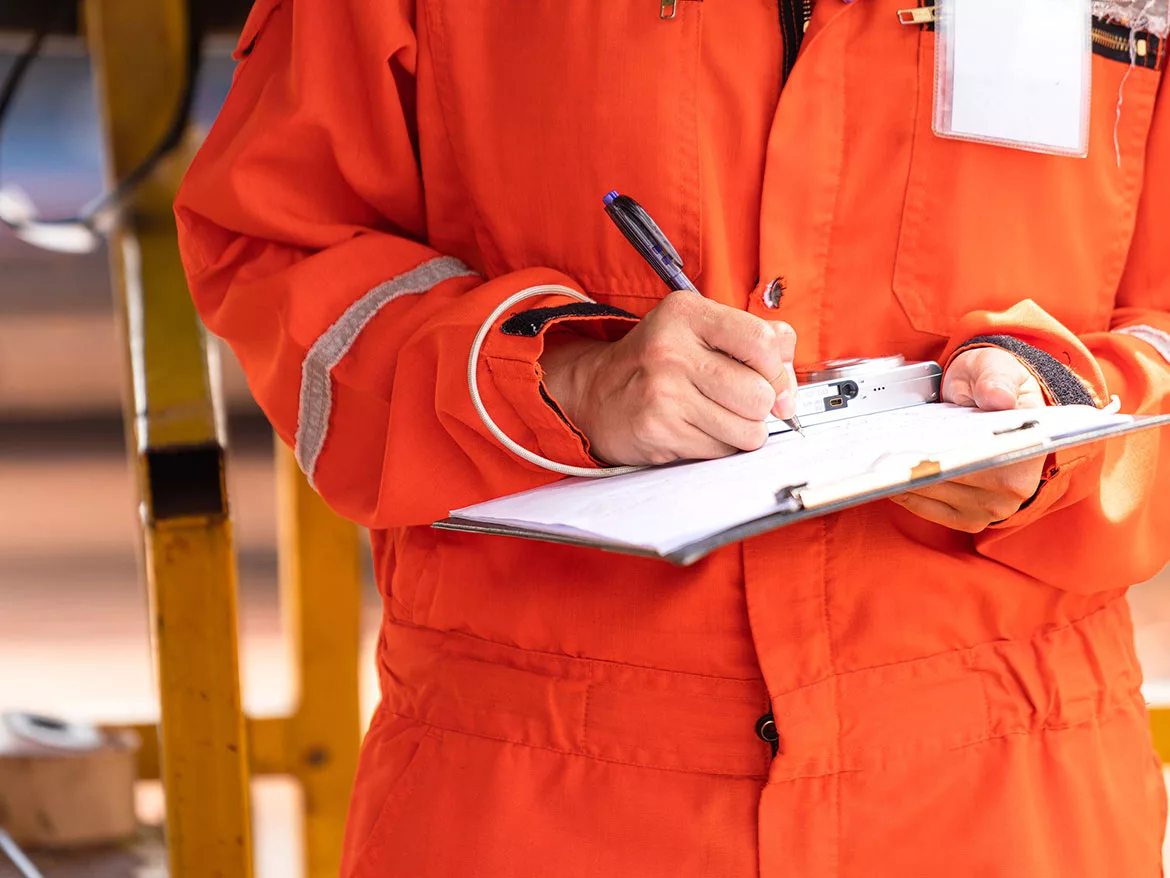
Incident investigations are a critical part of your safety program and safety culture. When an incident occurs, when and how you address it is equally as important as what you address and why. If you “tell” employees that safety is important but fail to “show” your commitment through prompt and thorough investigations of incidents, you de-value your word and lose face with your people.

OSHA defines an incident as "an unplanned, undesired event that adversely affects completion of a task." In the past, the term "accident" was used to refer to an unplanned, unwanted event. To many, "accident" suggests an event was random and could not have been prevented. Since nearly all worksite fatalities, injuries, and illnesses are preventable, OSHA now suggests using the term "incident" ( a term I have used for 25 years) to address any event in which an unwanted outcome occurs. This includes injury, illness, property damage, or near-miss (I prefer, “near-hit”), otherwise known as a close-call.

When an incident occurs, it is an indication that something has gone wrong. Incidents do not just happen; they are caused. The basic cause(s) of an incident is from one or a series of unsafe acts and/or conditions that sets up circumstances leading to that undesired event. The primary purpose for conducting an investigation for every incident is to determine the cause and initiate corrective action(s) that prevent similar type incidents from recurring. Certainly, the level or depth of an investigation – the amount of detail and effort needed - will vary, depending on the incident. Bear in mind that what may initially appear to be an insignificant event on the surface may shed light on a serious condition or practice that needs immediate attention. What is important, then, is for each incident to get your attention and prompt evaluation.

So, we investigate all incidents, whether an injury or property damage has occurred or not, because the root cause and contributing factors that led to the incident could result in a similar incident leading to the ultimate undesired event - a fatality.

Let me be clear: the purpose of an incident investigation is to always identify, address, and correct actions and/or conditions that can lead to a fatal or serious injury. Your employees are most important. The point of the investigation should always be a reinforcement to your employees that it is about improving their safety – both performance and working conditions. The goal of investigating a property damage incident is not to focus on what was damaged or the cost of the damage; the goal is to identify the root cause of the damage to prevent someone from being killed or seriously injured. In other words, it is about improving your safety culture and safety performance at all levels within the organization.

Investigating a worksite incident provides employers and workers the opportunity to identify hazards in their operations and shortcomings in their safety and health programs. Most importantly, it enables employers and workers to identify and implement the corrective actions necessary to prevent future incidents.

The focus is on identifying and correcting root causes, not finding fault or blame. I have never liked the term, “behavior-based safety.” Whether intended or not, the outcome to behavior-based safety investigations often ended in finding a scapegoat rather than the root cause. Throughout my career, I have addressed safety through integrated performance – including processes, procedures, and employee practices. Looking at the whole picture, from how the process(es) work, what procedures are currently in place and the accuracy of those procedures, to how and why employees practice or follow those procedures, will reveal what went wrong, what caused the undesired event, and how to address it, going forward.

To ensure a thorough investigation, you need multiple people involved. A cross-functional team works best by including the involved employees, the supervisor, the safety department, and may include human resources, maintenance, and engineering. Multiple perspectives and input should be sought to drill down to the actual root cause(s) and contributing factors that led to the incident and ensure findings lead to accurate and prompt correction(s). This may involve changing a procedure. The size of your team will depend on the incident.

There are numerous benefits to investigating all of your incidents. Mentioned earlier, it demonstrates to your employees that safety is a value rather than a changing priority of circumstances. It will also improve workplace morale, increase productivity, increase your employee engagement and participation, and the obvious – identify hazards, whether conditions or practice, processes or procedures – and allow you to eliminate or reduce the hazard while safeguarding your employees through process and procedure review and employee practices that may need to be adjusted.

Incident investigations are critical to your safety culture and benefit your employees and your reputation. Understanding that connection will ensure your investigations have value.

KEYWORDS: Incident investigations injuries

Share This Story

Looking for a reprint of this article?
From high-res PDFs to custom plaques, order your copy today!

Randy DeVaul, MA, NREMT, QSSP/ASSP (safetypro1158@gmail.com) is an experienced safety professional and global industrial safety sales/marketing trainer that provides employers with virtual and online safety support. He is also an author and freelance writer/contributor to trade and lifestyle publications in safety, health, and workers’ compensation topics. Comments are welcome.

Recommended Content

JOIN TODAY
to unlock your recommendations.

Already have an account? Sign In

  • forklift safety

    Exploring the latest technologies in forklift safety

    With more staff and more stock in warehousing now more...
    Workplace Training Strategies
    By: Josh Cramer
  • welding

    All about welder’s flash or arc eye

    A flash burn is a painful inflammation of the cornea,...
    Environmental Health and Safety
  • dangerous jobs

    The 10 most dangerous jobs in the U.S.

    On-the-job deaths have been rising — hitting the highest...
    Occupational Safety
    By: Benita Mehta
Manage My Account
  • eMagazine Subscriptions
  • ISHN Newsletter & Other Newsletter Alerts
  • Online Registration
  • Manage My Preferences
  • Subscription Customer Service

More Videos

Sponsored Content

Sponsored Content is a special paid section where industry companies provide high quality, objective, non-commercial content around topics of interest to the ISHN audience. All Sponsored Content is supplied by the advertising company and any opinions expressed in this article are those of the author and not necessarily reflect the views of ISHN or its parent company, BNP Media. Interested in participating in our Sponsored Content section? Contact your local rep!

close
  • man wearing the the Sundström SR200 Full Face Mask Respirator
    Sponsored byOHD

    5 Fit Testing Mistakes That Could Cost You

  • This image shows Magid AcuSpex polarized blue mirrored safety glasses.
    Sponsored byMagid Glove and Safety

    Construction PPE Guide: What Crews Need for Each Task

  • lone worker in confined space
    Sponsored byAlphasense Ltd.

    GET THE LEAD OUT of your Safety Oxygen Sensors!

Popular Stories

SpaceX 7 launch

OSHA Investigating Fatal Fall at SpaceX Starbase

Automated loading dock equipment

After March 2026 Rivian Death, Safety Managers Reassess Loading Dock Systems Under OSHA's Warehouse Emphasis Program

psychology in the workplace

Most Workplaces Measure Psychological Safety, Ignoring Psychosocial Risks

top 10 most dangerous jobs

Poll

Seasonal Readiness

With the federal heat stress prevention rule on the horizon, which area of your safety program needs the most attention?
View Results Poll Archive

Products

Surviving an OSHA Audit A Management Guide, 2nd Edition

Surviving an OSHA Audit A Management Guide, 2nd Edition

See More Products

ISHN Podcasts

Related Articles

  • Incident investigations: five challenges to successful findings

    See More
  • incident investigation

    How to investigate a worksite incident

    See More
  • MSHA to investigate incident at West Virginia mine that killed 25 miners (4/6)

    See More

Related Products

See More Products
  • 9781138072824.jpg

    Accident/Incident Prevention Techniques, Second Edition

  • 0470387408.jpg

    Preparing for OSHA s Voluntary Protection Programs: A Guide to Success

See More Products

Related Directories

  • Safe Site Check In LLC

    Make Jobsite Management Easy(™). Safe Site Check In saves jobsite safety, super, project, and cost managers hours a day including: Digital badging, onboarding & training, Safety screening, Daily log creation Safety JSA, EAP, SDS Project management integration, Subcontractor management, Remote site monitoring, Worker profiles, Incident investigations.
  • MSA - The Safety Co.

    WE KNOW WHAT'S AT STAKE. Unpredictable work environments are often part of the job. That's why it's critically important to have the right safety equipment at the moment it matters most. MSA's complete lines of safety solutions help protect those workers at the heart of your operation.
×

Become a Leader in Safety Culture

Build your knowledge with ISHN, covering key safety, health and industrial hygiene news, products, and trends.

JOIN TODAY
  • RESOURCES
    • Advertise
    • Contact Us
    • Directories
    • Manufacturing Division
    • Store
    • Want More
  • SIGN UP TODAY
    • Create Account
    • eMagazine
    • Newsletters
    • Customer Service
    • Manage Preferences
  • SERVICES
    • Marketing Services
    • Reprints
    • Market Research
    • List Rental
    • Survey/Respondent Access
  • STAY CONNECTED
    • LinkedIn
    • Facebook
    • YouTube
    • X (Twitter)
  • PRIVACY
    • PRIVACY POLICY
    • TERMS & CONDITIONS
    • DO NOT SELL MY PERSONAL INFORMATION
    • PRIVACY REQUEST
    • ACCESSIBILITY

Copyright ©2026. All Rights Reserved BNP Media, Inc. and BNP Media II, LLC.

Design, CMS, Hosting & Web Development :: ePublishing