ISHN logo
search
cart
facebook twitter linkedin youtube
  • Sign In
  • Create Account
  • Sign Out
  • My Account
ISHN logo
  • NEWS
    • Today's News
    • Global Safety News
    • Government Regulations
  • PRODUCTS
    • Product Innovations
    • Featured Products
  • TOPICS
    • Environmental Health and Safety
    • Facility Safety
    • Workplace Health
    • Occupational Safety
    • PPE
    • More Topics
  • CONSTRUCTION
  • TECHNOLOGY
  • COLUMNS
    • Best Practices
    • Dave Johnson: What’s going on
    • Editorial Comments
    • Leading Safety
  • MULTIMEDIA
    • ISHN Podcast
    • Videos
    • Cold Stress Education Quiz
    • Webinars
    • White Papers
  • MORE
    • Buyer's Guide
    • Newsletters
    • Convention Companion
    • Polls
    • Events
    • ISHN Store
    • Sponsor Insights
  • EMAGAZINE
    • eMagazine
    • Archived Issues
    • Contact
    • Advertise
  • JOIN TODAY!

8 steps to shaping your safety culture
By DJ Borbidge
August 11, 2006
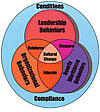
Shaping a new safety culture: Include all behavioral aspects (Organizational, Leadership, Hourly Workforce); utilize education, measurement and positive reinforcement; address physical conditions and understand compliance issues.


In order to improve your workplace safety culture, follow these eight steps and you’ll be on the road to positive change.

1 Know the “now” safety culture

A thorough understanding of the existing culture must be accomplished. This can be realized by canvassing a large sampling of the total workforce to measure what perceptions, practices and conditions related to safety currently exist. A cultural survey can surface what is working and what is not. The information obtained can provide direction for change.

2 Secure management/supervision commitment

Without the commitment of leadership no change can be effected. Leadership and organizational behaviors are key to the success of any process…setting the example to follow. Workers’ behaviors often mirror those of management and supervision. Once employees see management and supervision “walk the talk” they’ll begin to trust and accept that the change is genuine.

3 Determine, agree on and communicate parameters

The biggest element in safety culture is the behavioral element. All parties must agree to look at practices (behaviors) and determine those best suited to working safely. Workplace conditions and compliance/disciplinary processes must also be evaluated. Communication systems and levels of involvement by all workers need to be included in determining the safety culture change components. All employees should be involved in drawing up the picture of the desired safety culture.

4 Develop a plan for change and ongoing process

Once the parameters of change are identified, a roadmap must be developed. This involves determining training methods and schedules, measurement processes and means of communication, and defining and assigning responsibilities and accountabilities. Lead and working sub-teams must be formed.

5 Educate

Training is an important step in the process of changing behaviors. Leadership behaviors have been identified as key to developing a new safety culture. Therefore, supervisors play a very important role in this effort. Employees are often promoted to supervisory positions based on job skill with little or no training in leading people. The supervisor is the direct link between management and primary employees, therefore supervisors must be given the training and tools needed to deal with satisfying the needs of both management and the primary workforce, which are often in conflict.

6 Measure

What gets measured gets done. Once a measurement process has been decided on (with a behavioral-based process this involves daily observations and analysis), it is important to utilize and communicate the information gathered. If data is collected and nothing is done with it, it becomes worthless. In developing the measurement process, solicit input from the entire workforce in identifying the best safe practices and conditions to be measured. Don’t underestimate the knowledge of hourly employees.

7 Reinforce & communicate

People do more of what brings good consequences. Positive reinforcement is an important element missing from many workforce cultures. Statistics show that when workers are positively reinforced they will go beyond what is expected of them.

A strong communication system between all employees in all directions needs to be encouraged.

8 Develop informal leaders and a sense of community

Informal leaders in the workforce are usually well recognized. They play an important role in the success of any change, and their buy-in can be critical. Champions often surface in the planning and training stages. These champions should be nurtured and encouraged to become informal leaders and decision-makers.

A sense of community will build as trust is developed and people begin to learn more than just their job responsibilities.

Share This Story

Looking for a reprint of this article?
From high-res PDFs to custom plaques, order your copy today!

DJ is president/CEO of The Human Side Inc., a training, developmental and industrial consulting company focusing on cultural/behavioral-based safety and offering one-day seminars, speaking engagements and cultural studies. She can be reached at (941) 721-3605, humanside@msn.com, www.thehumansideinc.com.

Recommended Content

JOIN TODAY
to unlock your recommendations.

Already have an account? Sign In

  • forklift safety

    Exploring the latest technologies in forklift safety

    With more staff and more stock in warehousing now more...
    Facility Safety
    By: Josh Cramer
  • welding

    All about welder’s flash or arc eye

    A flash burn is a painful inflammation of the cornea,...
    Environmental Health and Safety
  • dangerous jobs

    The 10 most dangerous jobs in the U.S.

    On-the-job deaths have been rising — hitting the highest...
    Occupational Safety
    By: Benita Mehta
Manage My Account
  • eMagazine Subscriptions
  • ISHN Newsletter & Other Newsletter Alerts
  • Online Registration
  • Manage My Preferences
  • Subscription Customer Service

More Videos

Sponsored Content

Sponsored Content is a special paid section where industry companies provide high quality, objective, non-commercial content around topics of interest to the ISHN audience. All Sponsored Content is supplied by the advertising company and any opinions expressed in this article are those of the author and not necessarily reflect the views of ISHN or its parent company, BNP Media. Interested in participating in our Sponsored Content section? Contact your local rep!

close
  • man wearing the the Sundström SR200 Full Face Mask Respirator
    Sponsored byOHD

    5 Fit Testing Mistakes That Could Cost You

  • This image shows Magid AcuSpex polarized blue mirrored safety glasses.
    Sponsored byMagid Glove and Safety

    Construction PPE Guide: What Crews Need for Each Task

  • lone worker in confined space
    Sponsored byAlphasense Ltd.

    GET THE LEAD OUT of your Safety Oxygen Sensors!

Popular Stories

SpaceX 7 launch

OSHA Investigating Fatal Fall at SpaceX Starbase

Worker Impairment

How to Tell When a Co-Worker is Impaired? A Safety Pro’s Challenge

Automated loading dock equipment

After March 2026 Rivian Death, Safety Managers Reassess Loading Dock Systems Under OSHA's Warehouse Emphasis Program

top 10 most dangerous jobs

Poll

Seasonal Readiness

With the federal heat stress prevention rule on the horizon, which area of your safety program needs the most attention?
View Results Poll Archive

Products

Surviving an OSHA Audit A Management Guide, 2nd Edition

Surviving an OSHA Audit A Management Guide, 2nd Edition

See More Products

ISHN Podcasts

Related Articles

  • 8 steps to a strong safety culture

    See More
  • Ensure your safety culture evolves with the times

    See More
  • Heat Safety

    8 steps to a winning heat safety plan

    See More

Related Products

See More Products
  • 1119772133.jpg

    Delivering Safety Excellence: Engagement Culture at Every Level

  • 1119906652.webp

    Alive and Well at the End of the Day: The Supervisor's Guide to Managing Safety in Operations, 2E

See More Products
×

Become a Leader in Safety Culture

Build your knowledge with ISHN, covering key safety, health and industrial hygiene news, products, and trends.

JOIN TODAY
  • RESOURCES
    • Advertise
    • Contact Us
    • Directories
    • Manufacturing Division
    • Store
    • Want More
  • SIGN UP TODAY
    • Create Account
    • eMagazine
    • Newsletters
    • Customer Service
    • Manage Preferences
  • SERVICES
    • Marketing Services
    • Reprints
    • Market Research
    • List Rental
    • Survey/Respondent Access
  • STAY CONNECTED
    • LinkedIn
    • Facebook
    • YouTube
    • X (Twitter)
  • PRIVACY
    • PRIVACY POLICY
    • TERMS & CONDITIONS
    • DO NOT SELL MY PERSONAL INFORMATION
    • PRIVACY REQUEST
    • ACCESSIBILITY

Copyright ©2026. All Rights Reserved BNP Media, Inc. and BNP Media II, LLC.

Design, CMS, Hosting & Web Development :: ePublishing