ISHN logo
search
cart
facebook twitter linkedin youtube
  • Sign In
  • Create Account
  • Sign Out
  • My Account
ISHN logo
  • NEWS
    • Today's News
    • Global Safety News
    • Government Regulations
  • PRODUCTS
    • Product Innovations
    • Featured Products
  • TOPICS
    • Environmental Health and Safety
    • Facility Safety
    • Workplace Health
    • Occupational Safety
    • PPE
    • More Topics
  • CONSTRUCTION
  • TECHNOLOGY
  • COLUMNS
    • Best Practices
    • Dave Johnson: What’s going on
    • Editorial Comments
    • Leading Safety
  • MULTIMEDIA
    • ISHN Podcast
    • Videos
    • Cold Stress Education Quiz
    • Webinars
    • White Papers
  • MORE
    • Buyer's Guide
    • Newsletters
    • Convention Companion
    • Polls
    • Events
    • ISHN Store
    • Sponsor Insights
  • EMAGAZINE
    • eMagazine
    • Archived Issues
    • Contact
    • Advertise
  • JOIN TODAY!
Today's Safety NewsWorkplace Health

Our hands at work: hazards and injury prevention

Injuries can happen quickly - over over time
May 2, 2013

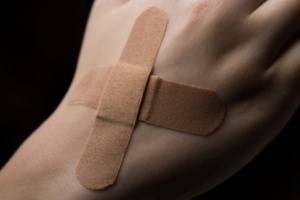
handThe hand is the part of the body most often injured and these injuries are sometimes difficult to heal. Hand injuries are preventable. By identifying hazards and developing safety measures, you and your employer can prevent your hands from being among the 500,000 injured in Canada every year.

Think of your hands as...Valuable

Your hands are superbly designed tools of amazing strength and dexterity. They can pinch, grasp, twist, lift, hold and manipulate while doing a wide variety of other specific tasks.

Vulnerable

Your hands and wrists are a complex system of bones, muscles and tendons, ligaments, blood vessels and nerves protected by layers of skin. A total of 27 hand and wrist bones are connected to the muscles by tendons. Ligaments join bones together and hold the joints in place. Blood vessels supply nourishment to all these parts. Nerves convey sensations and help to control hand and finger movements.

The skin provides a barrier against chemicals, heat and cold. Skin on the back of the hand is thin and elastic and, on the palm, it is thick to provide traction, cushioning and insulation.

Remember! Your hands are valuable but also vulnerable! If even a small cut makes it difficult and painful to work or play, imagine if you had a serious injury.

Workplace hazards and injury prevention

A hazard is any energy that can cause harm. Injuries can be immediate or may happen over time. In the workplace, your hands are subjected to many hazards.

Mechanical hazards

There are numerous mechanical hazards from tools, equipment, machines, structures and vehicles:

  • chains, gears, rollers, wheels and transmission belts;
  • spiked or jagged tools;
  • edges that catch and tear;
  • cutting, chopping and grinding mechanisms;
  • cutting tools such as knives and presses;
  •  falling objects, etc.

A few prevention tips

  • Work at your own pace. The frequency of hand injuries is proportional to how quickly you work.
  • Stay alert! Always watch what your hands are doing.
  • Use a push stick to feed a circular saw or other power tools such as jointers and shapers.
  • Know how to handle the tools and equipment you work with. Don't take shortcuts.
  • Wrenches should properly fit nuts and bolts.
  • Use long magnetic poles for retrieving items from places where it is dangerous for hands to go.
  • Presses and other machines should be designed to keep hands away from the work area.
  • Control panels should be designed, installed and guarded to reduce the risk of accidents as much as possible.
  • Use different colors, shapes or sizes to distinguish safety shut-off controls from all other controls.
  • Never start repair work on power tools or machinery without first checking that the power is shut off and the machine is locked out.
  • If you are taking any drugs or medication, consult your doctor. Some drugs and medication impair your faculties, prevent you from thinking clearly and slow your reflexes.

Note:It is dangerous to wear rings at work. Even a ring that fits your finger perfectly poses a hazard. If the ring is forced off or breaks, it may pull the flesh from the finger or amputate it. Remember, too, that long hair, loose clothing, dangling accessories, jewellery and similar items can get caught in machinery. If these are worn, they must be tied, covered or otherwise secured to prevent them from becoming a safety hazard.

Heat and cold

Burns to the hands can be caused by exhaust pipes, sparks, steam, hot pipes, hot liquids, welding and molten metals. Even extreme cold can cause burns. Your hands and fingers turn numb at minus 15oC, which can increase the risk of accidents.

A few prevention tips

  • Use gloves appropriate for the job and temperature.
  • Insulate tool handles.
  • Let hot surfaces cool before working on them.
  • Before hands become too cold, take time to warm them up.
KEYWORDS: Hand Protection injuries

Share This Story

Looking for a reprint of this article?
From high-res PDFs to custom plaques, order your copy today!

Recommended Content

JOIN TODAY
to unlock your recommendations.

Already have an account? Sign In

  • forklift safety

    Exploring the latest technologies in forklift safety

    With more staff and more stock in warehousing now more...
    Facility Safety
    By: Josh Cramer
  • welding

    All about welder’s flash or arc eye

    A flash burn is a painful inflammation of the cornea,...
    Environmental Health and Safety
  • dangerous jobs

    The 10 most dangerous jobs in the U.S.

    On-the-job deaths have been rising — hitting the highest...
    Transportation Safety
    By: Benita Mehta
Previous 1 2 3 Next
Manage My Account
  • eMagazine Subscriptions
  • ISHN Newsletter & Other Newsletter Alerts
  • Online Registration
  • Manage My Preferences
  • Subscription Customer Service

More Videos

Sponsored Content

Sponsored Content is a special paid section where industry companies provide high quality, objective, non-commercial content around topics of interest to the ISHN audience. All Sponsored Content is supplied by the advertising company and any opinions expressed in this article are those of the author and not necessarily reflect the views of ISHN or its parent company, BNP Media. Interested in participating in our Sponsored Content section? Contact your local rep!

close
  • man wearing the the Sundström SR200 Full Face Mask Respirator
    Sponsored byOHD

    5 Fit Testing Mistakes That Could Cost You

  • This image shows Magid AcuSpex polarized blue mirrored safety glasses.
    Sponsored byMagid Glove and Safety

    Construction PPE Guide: What Crews Need for Each Task

  • lone worker in confined space
    Sponsored byAlphasense Ltd.

    GET THE LEAD OUT of your Safety Oxygen Sensors!

Popular Stories

chemical safety

It Was Just Sugar: Catastrophic Safety Failures in Louisville

psychology in the workplace

Most Workplaces Measure Psychological Safety, Ignoring Psychosocial Risks

Workers in high-visibility clothing descending stairs in an industrial facility.

Faster evacuations and lower operating costs with the SST Series Solution from WatchGas Detection

top 10 most dangerous jobs

Events

July 21, 2026

When Dust Becomes a Disaster

In this webinar, attendees will gain a foundational understanding of combustible dust hazards, including the conditions that lead to fires and explosions, common ignition sources, and high-risk processes found throughout industry.

View All Submit An Event

Poll

Seasonal Readiness

With the federal heat stress prevention rule on the horizon, which area of your safety program needs the most attention?
View Results Poll Archive

Products

Surviving an OSHA Audit A Management Guide, 2nd Edition

Surviving an OSHA Audit A Management Guide, 2nd Edition

See More Products

ISHN Podcasts

Related Articles

  • oil worker

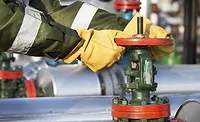
    ISEA launches Safe Hands at Work campaign

    See More
  • Help you hands: Guidelines for hygiene and injury prevention techniques

    See More
  • Proposed: Change our name from the safety profession to the injury prevention profession

    See More

Related Products

See More Products
  • 1118645685.jpg

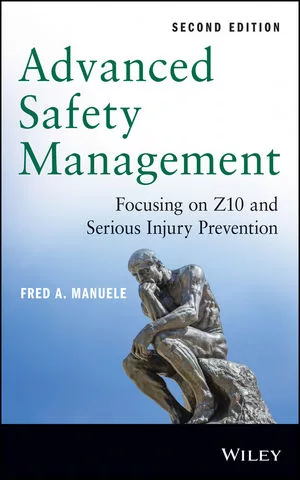
    Advanced Safety Management: Focusing on Z10 and Serious Injury Prevention, 2nd Edition

See More Products

Related Directories

  • e-Hazard

    E-Hazard is dedicated to building an electrical safety culture with you. Our electrical engineering services and training will prepare your team for any electrical safety needs or concerns. E-Hazard can help with electrical training, arc flash studies, electrical audits, electrical safety programs, LOTO, infrared scanning, NFPA 70B, consulting and much more.
×

Become a Leader in Safety Culture

Build your knowledge with ISHN, covering key safety, health and industrial hygiene news, products, and trends.

JOIN TODAY
  • RESOURCES
    • Advertise
    • Contact Us
    • Directories
    • Manufacturing Division
    • Store
    • Want More
  • SIGN UP TODAY
    • Create Account
    • eMagazine
    • Newsletters
    • Customer Service
    • Manage Preferences
  • SERVICES
    • Marketing Services
    • Reprints
    • Market Research
    • List Rental
    • Survey/Respondent Access
  • STAY CONNECTED
    • LinkedIn
    • Facebook
    • YouTube
    • X (Twitter)
  • PRIVACY
    • PRIVACY POLICY
    • TERMS & CONDITIONS
    • DO NOT SELL MY PERSONAL INFORMATION
    • PRIVACY REQUEST
    • ACCESSIBILITY

Copyright ©2026. All Rights Reserved BNP Media, Inc. and BNP Media II, LLC.

Design, CMS, Hosting & Web Development :: ePublishing