ISHN logo
search
cart
facebook twitter linkedin youtube
  • Sign In
  • Create Account
  • Sign Out
  • My Account
ISHN logo
  • NEWS
    • Today's News
    • Global Safety News
    • Government Regulations
  • PRODUCTS
    • Product Innovations
    • Featured Products
  • TOPICS
    • Environmental Health and Safety
    • Facility Safety
    • Workplace Health
    • Occupational Safety
    • PPE
    • More Topics
  • CONSTRUCTION
  • TECHNOLOGY
  • COLUMNS
    • Best Practices
    • Dave Johnson: What’s going on
    • Editorial Comments
    • Leading Safety
  • MULTIMEDIA
    • ISHN Podcast
    • Videos
    • Cold Stress Education Quiz
    • Webinars
    • White Papers
  • MORE
    • Buyer's Guide
    • Newsletters
    • Convention Companion
    • Polls
    • Events
    • ISHN Store
    • Sponsor Insights
  • EMAGAZINE
    • eMagazine
    • Archived Issues
    • Contact
    • Advertise
  • JOIN TODAY!
Today's Safety NewsGovernment Safety RegulationsFacility Safety

NIOSH withdraws support for ‘safety case’ approach to chemical facility safety
July 3, 2014

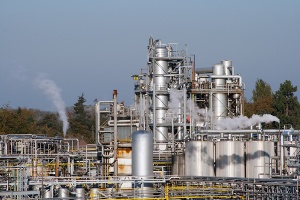
chemical plantThe National Institute for Occupational Safety and Health (NIOSH) has changed its position on including “safety case” principles in OSHA’s process safety management (PSM) standard.

The safety case framework – which is backed by the U.S. Chemical Safety Board (CSB) –would require companies to demonstrate – through a  written report – how major hazards are to  be controlled and risks reduced to  “as low as reasonably practicable” (ALARP). According to the CSB, a safety case approach represents a fundamental change by shifting the responsibility for continuous reductions in major accident risks from regulators to the company. That framework is in use in regulatory regimes such as those in the UK, Australia, and Norway.

Designing out hazards

One feature of the safety case approach is that it calls for implement safety designs – a concept seemingly compatible with NIOSHS’s Prevention through Design (PtD) initiative.

Initial support

In a March 6 letter to OSHA, during a public comment period on possible revisions to the agency’s process safety management (PSM) regulations, NIOSH initially supported the safety case as proactive and performance-based.

“The employer is responsible for ensuring safe operation of the facility and a license is required to operate the hazardous process/facility,” wrote NIOSH.

Concerns from stakeholders

However, three months later NIOSH Director of Education and Information Paul Schulte asked OSHA to remove his agency’s comments from the public record, “based on a re-evaluation of the scientific evidentiary foundation” for the original comments.

Schulte said concerns from stakeholders about the earlier comments prompted a reevaluation of the issue, after which NIOSH determined there was a lack of an evidentiary basis for the safety case.

Chemical accident prevention

OSHA’s request for information (RFI) was in response to an Obama Administration request that the agency identify issues related to modernization of its PSM standard and related standards necessary to meet the goals of preventing major chemical accidents, such as the uncontrolled release of highly hazardous chemicals in West, Texas, on April 17, 2013 that killed 15 people.

CSB Chairman Rafael Moure-Eraso has said the safety case approach could help the nation ameliorate what he says is, “an industrial chemical safety crisis” in the U.S.

KEYWORDS: chemical industry CSB Prevention through Design (Ptd) process safety management PSM

Share This Story

Looking for a reprint of this article?
From high-res PDFs to custom plaques, order your copy today!

Recommended Content

JOIN TODAY
to unlock your recommendations.

Already have an account? Sign In

  • forklift safety

    Exploring the latest technologies in forklift safety

    With more staff and more stock in warehousing now more...
    Workplace Training Strategies
    By: Josh Cramer
  • welding

    All about welder’s flash or arc eye

    A flash burn is a painful inflammation of the cornea,...
    Environmental Health and Safety
  • dangerous jobs

    The 10 most dangerous jobs in the U.S.

    On-the-job deaths have been rising — hitting the highest...
    Government Safety Regulations
    By: Benita Mehta
Manage My Account
  • eMagazine Subscriptions
  • ISHN Newsletter & Other Newsletter Alerts
  • Online Registration
  • Manage My Preferences
  • Subscription Customer Service

More Videos

Sponsored Content

Sponsored Content is a special paid section where industry companies provide high quality, objective, non-commercial content around topics of interest to the ISHN audience. All Sponsored Content is supplied by the advertising company and any opinions expressed in this article are those of the author and not necessarily reflect the views of ISHN or its parent company, BNP Media. Interested in participating in our Sponsored Content section? Contact your local rep!

close
  • man wearing the the Sundström SR200 Full Face Mask Respirator
    Sponsored byOHD

    5 Fit Testing Mistakes That Could Cost You

  • This image shows Magid AcuSpex polarized blue mirrored safety glasses.
    Sponsored byMagid Glove and Safety

    Construction PPE Guide: What Crews Need for Each Task

  • lone worker in confined space
    Sponsored byAlphasense Ltd.

    GET THE LEAD OUT of your Safety Oxygen Sensors!

Popular Stories

SpaceX 7 launch

OSHA Investigating Fatal Fall at SpaceX Starbase

Worker Impairment

How to Tell When a Co-Worker is Impaired? A Safety Pro’s Challenge

Automated loading dock equipment

After March 2026 Rivian Death, Safety Managers Reassess Loading Dock Systems Under OSHA's Warehouse Emphasis Program

top 10 most dangerous jobs

Poll

Seasonal Readiness

With the federal heat stress prevention rule on the horizon, which area of your safety program needs the most attention?
View Results Poll Archive

Products

Surviving an OSHA Audit A Management Guide, 2nd Edition

Surviving an OSHA Audit A Management Guide, 2nd Edition

See More Products

ISHN Podcasts

Related Articles

  • Obama moves to improve chemical facility safety

    See More
  • Report on chemical facility safety finds room for improvement

    See More
  • First meeting set on President's Executive Order on improving chemical facility safety

    See More

Related Products

See More Products
  • human resources.jpg

    Human Resources and Change Management for Safety Professionals

See More Products

Events

View AllSubmit An Event
  • March 26, 2026

    Electrical Safety Essentials: A Practical Guide for Safety Professionals

    ON DEMAND: This one-hour webinar provides general safety professionals with a practical, non-technical overview of electrical hazards, injury mechanisms, and prevention strategies aligned with OSHA 29 CFR 1910 Subpart S and related standards.
  • June 27, 2018

    Signage for Safety & OSHA Compliance

    Invest in safety through clear and consistent signage, with guidance from this free webinar.
View AllSubmit An Event
×

Become a Leader in Safety Culture

Build your knowledge with ISHN, covering key safety, health and industrial hygiene news, products, and trends.

JOIN TODAY
  • RESOURCES
    • Advertise
    • Contact Us
    • Directories
    • Manufacturing Division
    • Store
    • Want More
  • SIGN UP TODAY
    • Create Account
    • eMagazine
    • Newsletters
    • Customer Service
    • Manage Preferences
  • SERVICES
    • Marketing Services
    • Reprints
    • Market Research
    • List Rental
    • Survey/Respondent Access
  • STAY CONNECTED
    • LinkedIn
    • Facebook
    • YouTube
    • X (Twitter)
  • PRIVACY
    • PRIVACY POLICY
    • TERMS & CONDITIONS
    • DO NOT SELL MY PERSONAL INFORMATION
    • PRIVACY REQUEST
    • ACCESSIBILITY

Copyright ©2026. All Rights Reserved BNP Media, Inc. and BNP Media II, LLC.

Design, CMS, Hosting & Web Development :: ePublishing