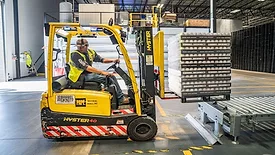
With warming trends now documented across 41 states and heatwaves occurring at roughly twice the frequency seen in the 1960s, an issue that used to be limited to certain seasons is now emerging as an ongoing occupational risk.
Adverse health conditions tied to psychosocial risk hazards may contribute globally to more than 840,000 worker deaths annually, according to the International Labor Organization (ILO).
In construction, manufacturing, and other high-exertion industries, heat exposure is predictable, measurable, and something we see season after season. Yet many heat illness prevention efforts still focus primarily on what happens during the work shift.
 RSS
RSS