ISHN logo
search
cart
facebook twitter linkedin youtube
  • Sign In
  • Create Account
  • Sign Out
  • My Account
ISHN logo
  • NEWS
    • Today's News
    • Global Safety News
    • Government Regulations
  • PRODUCTS
    • Product Innovations
    • Featured Products
  • TOPICS
    • Environmental Health and Safety
    • Facility Safety
    • Workplace Health
    • Occupational Safety
    • PPE
    • More Topics
  • CONSTRUCTION
  • TECHNOLOGY
  • COLUMNS
    • Best Practices
    • Dave Johnson: What’s going on
    • Editorial Comments
    • Leading Safety
  • MULTIMEDIA
    • ISHN Podcast
    • Videos
    • Cold Stress Education Quiz
    • Webinars
    • White Papers
  • MORE
    • Buyer's Guide
    • Newsletters
    • Convention Companion
    • Polls
    • Events
    • ISHN Store
    • Sponsor Insights
  • EMAGAZINE
    • eMagazine
    • Archived Issues
    • Contact
    • Advertise
  • JOIN TODAY!

More bad news for workers, businesses from OSHA
By Rep. Tim Walberg
February 29, 2012

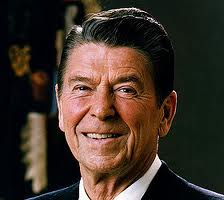
President Ronald Reagan"It is not my intention to do away with government," President Reagan once said. "It is rather, to make it work-work with us, not over us; to stand by our side, not ride on our back. Government can and must provide opportunity, not smother it; foster productivity, not stifle it."

Yet, the Occupational Safety and Health Administration plans to issue a standard that business owners say will be exactly contrary to Reagan's vision.

David Michaels, assistant secretary of labor for OSHA, claims the Injury and Illness Prevention Programs (I2P2) standard will be "good for workers, good for business and good for America." Many job creators would disagree.

Based on preliminary comments from the OSHA, the anticipated rule will require all employers to implement safety and health programs to "find and fix" all hazards in their workplaces, even those not otherwise regulated.

This regulation will potentially affect every employer covered by the agency, unless the OSHA exempts small businesses or those with less hazardous workplaces.

While safety and health programs adopted voluntarily by employers have helped many companies improve their workplace safety cultures, mandating them and specifying how they must be set up is a not a good approach.

The moment this regulation gets issued, safety and health programs will go from being a good idea to a legal requirement, which means employers will have to meet the OSHA's standards rather than what works best for them.

The OSHA will have the authority to come in and second-guess an employer about how well they have implemented their program.

Not surprisingly then, employers see the I2P2 regulation as just another OSHA enforcement tool rather than something that will help them enhance their safety practices.

And indeed a recent Rand study found that California's similar regulation, which has been in place since 1991 has not prevented workplace fatalities and barely made a dent in total injury prevention.

There are serious problems about this standard that the OSHA has not addressed. For instance, how will companies who already have safety and health programs in place be treated?

Forcing companies who have implemented programs tailored to their specific needs to start over makes no sense and is an inappropriate use of OSHA resources.

Another troubling issue is whether employers will be required to "find and fix" ergonomics hazards. The Clinton administration issued an ergonomics regulation in 2000 that was subsequently invalidated by Congress (the only time this has happened).

A key problem with that regulation was the absence of a useful definition for ergonomic hazards and the fact that an employee's risk for injury is driven by many factors outside the workplace.

Finally, will OSHA "double dip" on citations-issuing one citation for a hazard and another because the safety and health program failed to detect and correct the hazard?

The OSHA will be convening a small-business review panel before they issue the proposed I2P2 rule. When the Clinton administration tried to implement a similar rule back in 1998, comments from the review made clear that small businesses regarded this concept as costing much more than OSHA calculated.

Imposing a new and costly safety and health program standard will only serve to increase OSHA enforcement with no discernible improvement to worker safety and health.

KEYWORDS: employers health regulation safety

Share This Story

Walberg is a Michigan Republican.

Recent Comments

In addition to the personal hardship and loss...

No one will know the answer to this...

Bad drivers don't have to ruin your day...

Healthcare workers face a number of serious safety...

In my experience, truck drivers are treated with...

Manage My Account
  • eMagazine Subscriptions
  • ISHN Newsletter & Other Newsletter Alerts
  • Online Registration
  • Manage My Preferences
  • Subscription Customer Service

More Videos

Sponsored Content

Sponsored Content is a special paid section where industry companies provide high quality, objective, non-commercial content around topics of interest to the ISHN audience. All Sponsored Content is supplied by the advertising company and any opinions expressed in this article are those of the author and not necessarily reflect the views of ISHN or its parent company, BNP Media. Interested in participating in our Sponsored Content section? Contact your local rep!

close
  • man wearing the the Sundström SR200 Full Face Mask Respirator
    Sponsored byOHD

    5 Fit Testing Mistakes That Could Cost You

  • This image shows Magid AcuSpex polarized blue mirrored safety glasses.
    Sponsored byMagid Glove and Safety

    Construction PPE Guide: What Crews Need for Each Task

  • lone worker in confined space
    Sponsored byAlphasense Ltd.

    GET THE LEAD OUT of your Safety Oxygen Sensors!

Popular Stories

SpaceX 7 launch

OSHA Investigating Fatal Fall at SpaceX Starbase

Worker Impairment

How to Tell When a Co-Worker is Impaired? A Safety Pro’s Challenge

Automated loading dock equipment

After March 2026 Rivian Death, Safety Managers Reassess Loading Dock Systems Under OSHA's Warehouse Emphasis Program

top 10 most dangerous jobs

Poll

Seasonal Readiness

With the federal heat stress prevention rule on the horizon, which area of your safety program needs the most attention?
View Results Poll Archive

Products

Surviving an OSHA Audit A Management Guide, 2nd Edition

Surviving an OSHA Audit A Management Guide, 2nd Edition

See More Products

ISHN Podcasts

×

Become a Leader in Safety Culture

Build your knowledge with ISHN, covering key safety, health and industrial hygiene news, products, and trends.

JOIN TODAY
  • RESOURCES
    • Advertise
    • Contact Us
    • Directories
    • Manufacturing Division
    • Store
    • Want More
  • SIGN UP TODAY
    • Create Account
    • eMagazine
    • Newsletters
    • Customer Service
    • Manage Preferences
  • SERVICES
    • Marketing Services
    • Reprints
    • Market Research
    • List Rental
    • Survey/Respondent Access
  • STAY CONNECTED
    • LinkedIn
    • Facebook
    • YouTube
    • X (Twitter)
  • PRIVACY
    • PRIVACY POLICY
    • TERMS & CONDITIONS
    • DO NOT SELL MY PERSONAL INFORMATION
    • PRIVACY REQUEST
    • ACCESSIBILITY

Copyright ©2026. All Rights Reserved BNP Media, Inc. and BNP Media II, LLC.

Design, CMS, Hosting & Web Development :: ePublishing