In this issue, we cover AI-powered ergonomics. We also explore employee rights in workers’ compensation and take a closer look at smarter EHS programs in 2026.
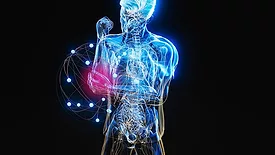
Musculoskeletal injuries are still one of the biggest challenges in the manufacturing industry. As safety professionals look for better ways to reduce risk, motion capture combined with AI is increasingly being utilized.
As work sites continue to expand, administrators and supervisors need to be more vigilant to address the evolving hazards that pose an increased risk of accidents or injuries.
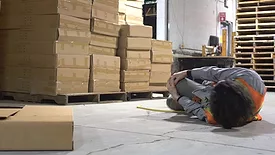
With 2.5 million injury and illness cases reported in private industry in 2024, knowing how to navigate the aftermath of workplace injuries is essential.
Enforcement activity is intensifying, requirements are expanding, and regulators are increasingly focusing on whether EHS programs and policies are being followed and implemented, not just written down in a manual.
The Pregnant Workers Fairness Act final rule includes an industrial hygienist because an IH’s observations and skills are rooted at the workplace. IHs are trained to use the hierarchy of controls to achieve reasonable accommodation for pregnant workers.
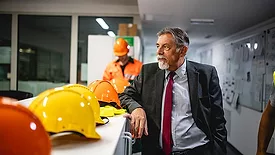
By identifying hidden hazards and assessing potential risks, the company’s in-house safety professionals help customers see the gaps in their compliance that might otherwise go unnoticed.