ISHN logo
search
cart
facebook twitter linkedin youtube
  • Sign In
  • Create Account
  • Sign Out
  • My Account
ISHN logo
  • NEWS
    • Today's News
    • Global Safety News
    • Government Regulations
  • PRODUCTS
    • Product Innovations
    • Featured Products
  • TOPICS
    • Environmental Health and Safety
    • Facility Safety
    • Workplace Health
    • Occupational Safety
    • PPE
    • More Topics
  • CONSTRUCTION
  • TECHNOLOGY
  • COLUMNS
    • Best Practices
    • Dave Johnson: What’s going on
    • Editorial Comments
    • Leading Safety
  • MULTIMEDIA
    • ISHN Podcast
    • Videos
    • Cold Stress Education Quiz
    • Webinars
    • White Papers
  • MORE
    • Buyer's Guide
    • Newsletters
    • Convention Companion
    • Polls
    • Events
    • ISHN Store
    • Sponsor Insights
  • EMAGAZINE
    • eMagazine
    • Archived Issues
    • Contact
    • Advertise
  • JOIN TODAY!
PPE

Too much hearing protection can put workers at risk

By Trish Luedtke, Ashley Gaworksi
January 5, 2015
Overprotection is a common mistake in hearing protection. Overprotecting can diminish a person’s ability to hear critical noises such as warning signals, moving vehicles and other workers, so it can actually prove detrimental to a person’s immediate safety.

To better understand when hearing protection is required and what actually constitutes overprotection, it is important first to have a working knowledge of how sound waves are actually measured.

How is sound measured?

Sound energy travels in waves and is measured in frequency and amplitude. Frequency can be gauged by the number of sound vibrations in one second. A person with normal hearing can perceive sounds from a very low frequency, 20 Hertz (or 20 cycles per second), to a very high frequency of 20,000 Hertz. Amplitude measures the force of the wave in decibels or dBA of sound pressure. For example, the softest sound a person can hear is at 0 dBA; normal speech is around 65 dBA; and a jackhammer is roughly 125 dBA. The more pressure a sound has, the less time it takes to cause damage. Unprotected hearing at sustained noise levels between 90-95 dB can cause permanent hearing loss. But even short-term exposure at 140 dB with hearing protection could cause such damage.

Assessing noise hazards

Understanding the noise level of hazards in the work environment is critical to determine the level of hearing protection necessary. Protection is needed when sounds are 85 dBA or above because, at this level, a person’s hearing can be permanently damaged. Each protective device is marked with a Noise Reduction Rating (NRR) level which explains the level of attenuation. The noise level should be lowered to a level of 85 dB; anything lower is considered overprotecting.

Noise Reduction Rating

NRR describes the average sound level reduction (“attenuation”) provided by hearing protectors in a laboratory setting.

Estimating hearing protector attenuation

1. 8-hour Time Weighted Exposure (TWA) = 94 dBA

2. NRR of hearing protector = 31 dBA

3. Subtract 7 dB from the NRR = 31 dB – 7 dB is 24 dB

4. Reduce value by 50% = 12 dB

5. Subtract this value from the TWA = 82 dB (Estimated Protection)

6. Decide if the estimated protection works for your environment

Hearing conservation program

To ensure proper protection, those wearing hearing protectors for occupational exposures must be enrolled in a worksite hearing conservation program. According to OSHA, “an effective hearing conservation program can prevent hearing loss, improve employee morale and a general feeling of well-being, increase quality of production, and reduce the incidence of stress-related disease.”

The employer must administer a continuing, effective hearing conservation program whenever employee noise exposures are at or above an eight hour time-weighted average (TWA) of 85 dBA or, equivalently, a dose of 50 percent. This is referred to as the action level.

Minimum Requirements of a Hearing Conservation Program include:

1. Monitoring Program

2. Audiometric Testing Program

3. Hearing Protection Devices

4. Employee Training and Education

5. Recordkeeping

To learn more, visit: https://www.osha.gov/dts/osta/otm/noise/hcp/

Hearing overprotection: Why is it a risk?

Workers who overprotect can be at peril. If a worker cannot hear warning signals on their worksite or communicate with fellow workers, the consequences can be disastrous. What’s more, when workers are not able to effectively hear or communicate, it can lead to feelings of isolation. This can lead to common mistakes that could put the worker or co-workers at risk.

Overprotection often leads to NO protection

In situations where communication amongst coworkers or hearing noise alerts and/or warning signals is necessary, overprotected workers will likely remove their hearing protection device (HPD) to perform these functions. But when removing their HPD for hearing purposes in hazardous environments, the user loses all sound exposure protection. If this behavior is prolonged, it can lead
to long-term hearing loss.

Tips for preventing overprotection

1. Know your noise levels. Clearly identify the areas of the facility or work environment where hearing protection is required. This can eliminate the need for protection where not warranted. Equally important, you should provide hearing protection that is ideally suited for a particular hazard; protection that is overrated for a specific hazard also contributes to overprotection. OSHA mandates a Hearing Protection Conservation Program in every facility. There are tools available to measure the noise levels and determine hazards.

2. Choose the correct hearing protection device (HPD). An HPD choice should be made to lower exposure to a safe level for the worker — but not below 85dBA.

3. Emphasize the risks. It is critical that employees understand the potential danger involved when not using proper hearing protection and should comprehend the long-term, irreversible effects of hearing damage.

Dual protection

When using both earplugs and a muff, it is important to understand that simply adding the NRR levels together will not provide a dual protection level. Rather, hearing protectors — when properly worn together — will add 4-5 dB to the higher of the two NRR levels. Also keep in mind that dual protection can isolate the wearer, so plugs and muffs should only be worn together where noise levels are extreme, e.g., where the 8-hour TWA exposure exceeds 100 decibels. In addition, it is recommended that workers who utilize both earplugs and muffs wear cordless earplugs to prevent compromising cup seal.

When it comes to hearing protection, it is important to ensure you have the proper hearing protection for your work environment — do not overprotect or underprotect. Evaluate the environment, understand the NRR rating and keep the protection at a safe level according to EPA regulations. 

KEYWORDS: hearing conservation hearing protection noise

Share This Story

Looking for a reprint of this article?
From high-res PDFs to custom plaques, order your copy today!

Trish Luedtke is senior marketing copywriter for MSA. For more information on choosing the proper face protection, visit www.MSAsafety.com.

Ashley Gaworski is Product Line Manager for Industrial Head Protection Accessories, Hearing & Communication.

Recommended Content

JOIN TODAY
to unlock your recommendations.

Already have an account? Sign In

  • forklift safety

    Exploring the latest technologies in forklift safety

    With more staff and more stock in warehousing now more...
    Workplace Training Strategies
    By: Josh Cramer
  • welding

    All about welder’s flash or arc eye

    A flash burn is a painful inflammation of the cornea,...
    Environmental Health and Safety
  • dangerous jobs

    The 10 most dangerous jobs in the U.S.

    On-the-job deaths have been rising — hitting the highest...
    Transportation Safety
    By: Benita Mehta
Manage My Account
  • eMagazine Subscriptions
  • ISHN Newsletter & Other Newsletter Alerts
  • Online Registration
  • Manage My Preferences
  • Subscription Customer Service

More Videos

Sponsored Content

Sponsored Content is a special paid section where industry companies provide high quality, objective, non-commercial content around topics of interest to the ISHN audience. All Sponsored Content is supplied by the advertising company and any opinions expressed in this article are those of the author and not necessarily reflect the views of ISHN or its parent company, BNP Media. Interested in participating in our Sponsored Content section? Contact your local rep!

close
  • man wearing the the Sundström SR200 Full Face Mask Respirator
    Sponsored byOHD

    5 Fit Testing Mistakes That Could Cost You

  • This image shows Magid AcuSpex polarized blue mirrored safety glasses.
    Sponsored byMagid Glove and Safety

    Construction PPE Guide: What Crews Need for Each Task

  • lone worker in confined space
    Sponsored byAlphasense Ltd.

    GET THE LEAD OUT of your Safety Oxygen Sensors!

Popular Stories

Automated loading dock equipment

After March 2026 Rivian Death, Safety Managers Reassess Loading Dock Systems Under OSHA's Warehouse Emphasis Program

chemical safety

It Was Just Sugar: Catastrophic Safety Failures in Louisville

psychology in the workplace

Most Workplaces Measure Psychological Safety, Ignoring Psychosocial Risks

top 10 most dangerous jobs

Poll

Seasonal Readiness

With the federal heat stress prevention rule on the horizon, which area of your safety program needs the most attention?
View Results Poll Archive

Products

Surviving an OSHA Audit A Management Guide, 2nd Edition

Surviving an OSHA Audit A Management Guide, 2nd Edition

See More Products

ISHN Podcasts

Related Articles

  • Scaffolding violations put workers at risk

    See More
  • Hot and humid conditions put workers at risk

    See More
  • OSHA: Dollar General continues to put workers at risk; company faces $321k in penalties

    See More

Related Products

See More Products
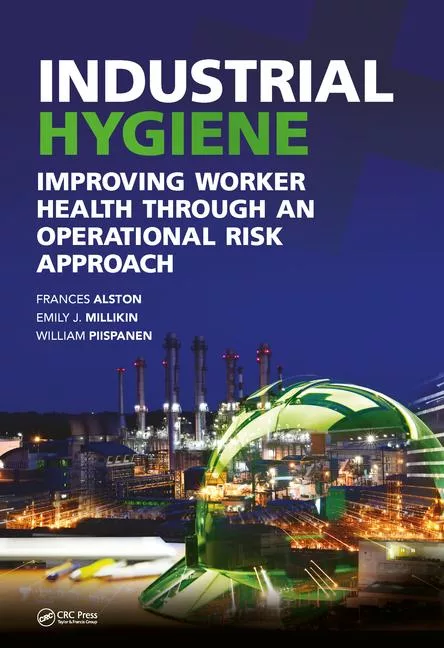
  • industrial hy.jpg

    Industrial Hygiene: Improving Worker Health through an Operational Risk Approach

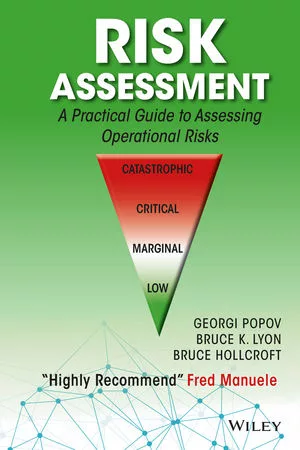
  • 1118911040.jpg

    Risk Assessment: A Practical Guide to Assessing Operational Risks

  • 1119906652.webp

    Alive and Well at the End of the Day: The Supervisor's Guide to Managing Safety in Operations, 2E

See More Products

Events

View AllSubmit An Event
  • September 22, 2016

    Bang! Damage from impulse noise and the effectiveness of hearing protection

    Some of the most hazardous sounds we hear are brief sounds – noises from impacts and impulses. These arise from sources like household tools, construction, industrial noise, firecrackers, guns, and even automotive airbags.
View AllSubmit An Event

Related Directories

  • SafetyLine Lone Worker

    SafetyLine Lone Worker helps companies monitor the status of workers who are remote, alone, or working in hazardous situations. We are an automated check-in monitoring and emergency notification service. SafetyLine uses its communications infrastructure to ensure that workers have comprehensive monitoring, 24/7, without the need for costly monitoring centers.
×

Become a Leader in Safety Culture

Build your knowledge with ISHN, covering key safety, health and industrial hygiene news, products, and trends.

JOIN TODAY
  • RESOURCES
    • Advertise
    • Contact Us
    • Directories
    • Manufacturing Division
    • Store
    • Want More
  • SIGN UP TODAY
    • Create Account
    • eMagazine
    • Newsletters
    • Customer Service
    • Manage Preferences
  • SERVICES
    • Marketing Services
    • Reprints
    • Market Research
    • List Rental
    • Survey/Respondent Access
  • STAY CONNECTED
    • LinkedIn
    • Facebook
    • YouTube
    • X (Twitter)
  • PRIVACY
    • PRIVACY POLICY
    • TERMS & CONDITIONS
    • DO NOT SELL MY PERSONAL INFORMATION
    • PRIVACY REQUEST
    • ACCESSIBILITY

Copyright ©2026. All Rights Reserved BNP Media, Inc. and BNP Media II, LLC.

Design, CMS, Hosting & Web Development :: ePublishing