ISHN logo
search
cart
facebook twitter linkedin youtube
  • Sign In
  • Create Account
  • Sign Out
  • My Account
ISHN logo
  • NEWS
    • Today's News
    • Global Safety News
    • Government Regulations
  • PRODUCTS
    • Product Innovations
    • Featured Products
  • TOPICS
    • Environmental Health and Safety
    • Facility Safety
    • Workplace Health
    • Occupational Safety
    • PPE
    • More Topics
  • CONSTRUCTION
  • TECHNOLOGY
  • COLUMNS
    • Best Practices
    • Dave Johnson: What’s going on
    • Editorial Comments
    • Leading Safety
  • MULTIMEDIA
    • ISHN Podcast
    • Videos
    • Cold Stress Education Quiz
    • Webinars
    • White Papers
  • MORE
    • Buyer's Guide
    • Newsletters
    • Convention Companion
    • Polls
    • Events
    • ISHN Store
    • Sponsor Insights
  • EMAGAZINE
    • eMagazine
    • Archived Issues
    • Contact
    • Advertise
  • JOIN TODAY!
Today's Safety NewsPsychology in the Workplace

Balance and flexibility can lead to a more productive workforce

By Barbara Ruland
August 30, 2016

Two high-profile leaders have recently garnered media attention for their drastically different attitudes toward work-life balance.

Yahoo CEO Marissa Mayer became the topic of conversation this month regarding her remarks in a Bloomberg interview in which she discussed working 130-hour weeks during Google’s early days and stated that she can “tell you which startups will succeed, without even knowing what they do” based on whether or not employees were working on the weekend.

Mayer was criticized by some for her 2013 directive cancelling the telecommuting option for Yahoo employees. A leaked memo from Yahoo HR said the rationale was “to become the absolute best place to work, communication and collaboration will be important, so we need to be working side-by-side.” 

Meanwhile, a purported 2014 staff memo from Vice President Joseph Biden resurfaced this month in which he encouraged staffers to take off work to attend milestone family events and handle other important family matters. In the memo, Biden said “This is very important to me. In fact, I will go so far as to say that if I find out that you are working with me while missing important family responsibilities, it will disappoint me greatly.”

These examples show two seemingly opposite approaches to work—approaches that can drastically affect employee’s work-life balance—but which tactic is more productive for the organization?

SIOP Fellow Dr. Wendy Casper says there’s merit to both.

“For long-term organizational success, you need to have elements of Joseph Biden’s approach,” said Casper, a professor in the University of Texas at Arlington Department of Management who studies work-life balance. “When you support your employees, they will pay you back as part of the social contract.  But there’s also a grain of truth in what Marissa Mayer says about needing to spend time together to foster teamwork and collaboration.”

It’s not an all or nothing proposition, Casper explained. Where Mayer went wrong was in completely eliminating telecommuting.

“If Marissa Mayer had taken a more moderate stance on bringing people into the office, setting certain times of the day or week when everybody was expected in the office so they could collaborate and then allowing flexibility for the rest, there probably wouldn’t have been such a backlash,” Casper explained.

Telecommuting can give people flexibility to address a variety of needs.

“Maybe someone needs to stay home to meet with the plumber; or maybe a worker in an urban area telecommutes to cut down on travel time during rush hour,” she said. “Or maybe someone telecommutes because of their biological clock, they’re just more effective working on an early or late schedule.”

The flexibility afforded by telecommuting can contribute to an employee’s sense of work-life balance. Work-life balance isn’t just nice to have, it can be very important for the organization’s bottom line. Casper cautioned that, without balance, people “head for burnout. They’re less productive and can’t do difficult complex work when they’re fatigued and tired.”

Balance may also be dynamic. There may be times when a person has to work overtime to push through a project, but that’s fine if that’s compensated with time away, Casper explained. There needs to be balance in the big picture.

Julie Holliday Wayne led a study accepted for publication in Personnel Psychology, on which Casper and fellow researchers Wayne Butts and Tammy Allen collaborated.  The study examined different types of work-family balance: how satisfied and effective people feel in balancing work and family. Their research found that employee reports of feeling satisfied with balance was related to positive job attitudes and effectively balancing work and family was related to higher supervisor ratings of job performance—demonstrating that greater balance can be good for individuals, organizations, and families.

“It’s important to note,” Casper said, “that experiencing balance is a very individual thing. Different people will have different ratios of work and non-work involvement that foster balance, depending on what they’re passionate about and on what stage of their life they’re in.  A person’s priorities may change over time, and roles that are more of a priority probably matter more in evaluating one’s balance.”

KEYWORDS: wellbeing work life balance

Share This Story

Looking for a reprint of this article?
From high-res PDFs to custom plaques, order your copy today!

Barbara Ruland is Communications Specialist with the Society for Industrial and Organizational Psychology (SIOP).

Recommended Content

JOIN TODAY
to unlock your recommendations.

Already have an account? Sign In

  • forklift safety

    Exploring the latest technologies in forklift safety

    With more staff and more stock in warehousing now more...
    Workplace Training Strategies
    By: Josh Cramer
  • welding

    All about welder’s flash or arc eye

    A flash burn is a painful inflammation of the cornea,...
    Environmental Health and Safety
  • dangerous jobs

    The 10 most dangerous jobs in the U.S.

    On-the-job deaths have been rising — hitting the highest...
    Occupational Safety
    By: Benita Mehta
Manage My Account
  • eMagazine Subscriptions
  • ISHN Newsletter & Other Newsletter Alerts
  • Online Registration
  • Manage My Preferences
  • Subscription Customer Service

More Videos

Sponsored Content

Sponsored Content is a special paid section where industry companies provide high quality, objective, non-commercial content around topics of interest to the ISHN audience. All Sponsored Content is supplied by the advertising company and any opinions expressed in this article are those of the author and not necessarily reflect the views of ISHN or its parent company, BNP Media. Interested in participating in our Sponsored Content section? Contact your local rep!

close
  • man wearing the the Sundström SR200 Full Face Mask Respirator
    Sponsored byOHD

    5 Fit Testing Mistakes That Could Cost You

  • This image shows Magid AcuSpex polarized blue mirrored safety glasses.
    Sponsored byMagid Glove and Safety

    Construction PPE Guide: What Crews Need for Each Task

  • lone worker in confined space
    Sponsored byAlphasense Ltd.

    GET THE LEAD OUT of your Safety Oxygen Sensors!

Popular Stories

SpaceX 7 launch

OSHA Investigating Fatal Fall at SpaceX Starbase

Automated loading dock equipment

After March 2026 Rivian Death, Safety Managers Reassess Loading Dock Systems Under OSHA's Warehouse Emphasis Program

psychology in the workplace

Most Workplaces Measure Psychological Safety, Ignoring Psychosocial Risks

top 10 most dangerous jobs

Poll

Seasonal Readiness

With the federal heat stress prevention rule on the horizon, which area of your safety program needs the most attention?
View Results Poll Archive

Products

Surviving an OSHA Audit A Management Guide, 2nd Edition

Surviving an OSHA Audit A Management Guide, 2nd Edition

See More Products

ISHN Podcasts

Related Articles

  • Understanding and reducing effects of stress on your health

    Employee well-being training creates a more engaged, productive workforce

    See More
  • Focus on employees’ needs for a more productive approach to workplace engagement

    See More
  • depression

    Study: Lack of control over high-stress jobs can lead to early grave

    See More

Related Products

See More Products
  • 9780367861148.jpg

    LEAD Safety A Practical Handbook for Frontline Supervisors and Safety Practitioners

  • 111885960X.jpg

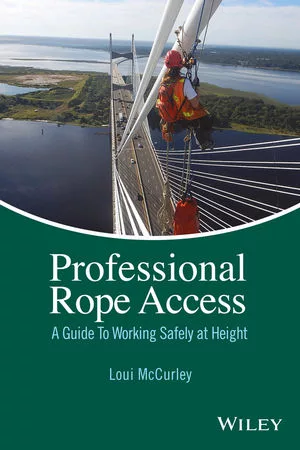
    Professional Rope Access: A Guide To Working Safely at Height

  • 0470387408.jpg

    Preparing for OSHA s Voluntary Protection Programs: A Guide to Success

See More Products

Related Directories

  • New Pig

    The world leader in absorbent products, New Pig provides innovative products to help maintain cleaner, safer, more productive work environments.
×

Become a Leader in Safety Culture

Build your knowledge with ISHN, covering key safety, health and industrial hygiene news, products, and trends.

JOIN TODAY
  • RESOURCES
    • Advertise
    • Contact Us
    • Directories
    • Manufacturing Division
    • Store
    • Want More
  • SIGN UP TODAY
    • Create Account
    • eMagazine
    • Newsletters
    • Customer Service
    • Manage Preferences
  • SERVICES
    • Marketing Services
    • Reprints
    • Market Research
    • List Rental
    • Survey/Respondent Access
  • STAY CONNECTED
    • LinkedIn
    • Facebook
    • YouTube
    • X (Twitter)
  • PRIVACY
    • PRIVACY POLICY
    • TERMS & CONDITIONS
    • DO NOT SELL MY PERSONAL INFORMATION
    • PRIVACY REQUEST
    • ACCESSIBILITY

Copyright ©2026. All Rights Reserved BNP Media, Inc. and BNP Media II, LLC.

Design, CMS, Hosting & Web Development :: ePublishing