ISHN logo
search
cart
facebook twitter linkedin youtube
  • Sign In
  • Create Account
  • Sign Out
  • My Account
ISHN logo
  • NEWS
    • Today's News
    • Global Safety News
    • Government Regulations
  • PRODUCTS
    • Product Innovations
    • Featured Products
  • TOPICS
    • Environmental Health and Safety
    • Facility Safety
    • Workplace Health
    • Occupational Safety
    • PPE
    • More Topics
  • CONSTRUCTION
  • TECHNOLOGY
  • COLUMNS
    • Best Practices
    • Dave Johnson: What’s going on
    • Editorial Comments
    • Leading Safety
  • MULTIMEDIA
    • ISHN Podcast
    • Videos
    • Cold Stress Education Quiz
    • Webinars
    • White Papers
  • MORE
    • Buyer's Guide
    • Newsletters
    • Convention Companion
    • Polls
    • Events
    • ISHN Store
    • Sponsor Insights
  • EMAGAZINE
    • eMagazine
    • Archived Issues
    • Contact
    • Advertise
  • JOIN TODAY!
Today's Safety NewsWorkplace Health

Odds of quitting smoking affected by genes
June 5, 2012

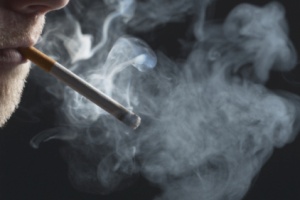
SmokingGenetics can help determine whether a person is likely to quit smoking on his or her own or need medication to improve the chances of success, according to a report published in the American Journal of Psychiatry. Researchers say the study moves health care providers a step closer to one day providing more individualized treatment plans to help patients quit smoking.

“This study builds on our knowledge of genetic vulnerability to nicotine dependence, and will help us tailor smoking cessation strategies accordingly,” said NIDA Director Nora D. Volkow, M.D. “It also highlights the potential value of genetic screening in helping to identify individuals early on and reduce their risk for tobacco addiction and its related negative health consequences.”

Researchers found that individuals carrying the high-risk form of a specific gene cluster reported a 2-year delay in the median quit age compared to those with the low-risk genes. This delay was attributable to a pattern of heavier smoking among those with the high risk gene cluster. The researchers then conducted a clinical trial, which confirmed that persons with the high-risk genes were more likely to fail in their quit attempts compared to those with the low-risk genes when treated with placebo. However, medications approved for nicotine cessation (such as nicotine replacement therapies or bupropion) increased the likelihood of abstinence in the high risk groups. Those with the highest risk had a three-fold increase in their odds of being abstinent at the end of active treatment compared to placebo, indicating that these medications may be particularly beneficial for this population. 

“We found that the effects of smoking cessation medications depend on a person’s genes,” said first author Li-Shiun Chen, M.D., of the Washington University School of Medicine, St. Louis. “If smokers have the risk genes, they don't quit easily on their own and will benefit greatly from the medications. If smokers don’t have the risk genes, they are likely to quit successfully without the help of medications such as nicotine replacement or bupropion.”

According to the Centers for Disease Control and Prevention, tobacco use is the single most preventable cause of disease, disability, and death in the United States. Smoking or exposure to secondhand smoke results in more than 440,000 preventable deaths each year — about 1 in 5 U.S. deaths overall. Another 8.6 million live with a serious illness caused by smoking. Despite these well-documented health costs, over 46 million U.S. adults continue to smoke cigarettes.

The study can be found at: ajp.psychiatryonline.org/article.aspx?articleID=1169679. For information on tobacco addiction, go to: www.drugabuse.gov/drugs-abuse/tobacco-addiction-nicotine. For more information on tools and resources to help quit smoking, go to: www.smokefree.gov/.

The study was supported by multiple components of the National Institutes of Health, including the National Institute on Drug Abuse (NIDA), the National Human Genome Research Institute, the National Cancer Institute, and the Clinical and Translational Science Awards program, administered by the National Center for Advancing Translational Sciences.

KEYWORDS: health nicotine smoking and health

Share This Story

Looking for a reprint of this article?
From high-res PDFs to custom plaques, order your copy today!

Recommended Content

JOIN TODAY
to unlock your recommendations.

Already have an account? Sign In

  • forklift safety

    Exploring the latest technologies in forklift safety

    With more staff and more stock in warehousing now more...
    Workplace Training Strategies
    By: Josh Cramer
  • welding

    All about welder’s flash or arc eye

    A flash burn is a painful inflammation of the cornea,...
    Environmental Health and Safety
  • dangerous jobs

    The 10 most dangerous jobs in the U.S.

    On-the-job deaths have been rising — hitting the highest...
    Government Safety Regulations
    By: Benita Mehta
Manage My Account
  • eMagazine Subscriptions
  • ISHN Newsletter & Other Newsletter Alerts
  • Online Registration
  • Manage My Preferences
  • Subscription Customer Service

More Videos

Sponsored Content

Sponsored Content is a special paid section where industry companies provide high quality, objective, non-commercial content around topics of interest to the ISHN audience. All Sponsored Content is supplied by the advertising company and any opinions expressed in this article are those of the author and not necessarily reflect the views of ISHN or its parent company, BNP Media. Interested in participating in our Sponsored Content section? Contact your local rep!

close
  • man wearing the the Sundström SR200 Full Face Mask Respirator
    Sponsored byOHD

    5 Fit Testing Mistakes That Could Cost You

  • This image shows Magid AcuSpex polarized blue mirrored safety glasses.
    Sponsored byMagid Glove and Safety

    Construction PPE Guide: What Crews Need for Each Task

  • lone worker in confined space
    Sponsored byAlphasense Ltd.

    GET THE LEAD OUT of your Safety Oxygen Sensors!

Popular Stories

SpaceX 7 launch

OSHA Investigating Fatal Fall at SpaceX Starbase

Worker Impairment

How to Tell When a Co-Worker is Impaired? A Safety Pro’s Challenge

psychology in the workplace

Most Workplaces Measure Psychological Safety, Ignoring Psychosocial Risks

top 10 most dangerous jobs

Poll

Seasonal Readiness

With the federal heat stress prevention rule on the horizon, which area of your safety program needs the most attention?
View Results Poll Archive

Products

Surviving an OSHA Audit A Management Guide, 2nd Edition

Surviving an OSHA Audit A Management Guide, 2nd Edition

See More Products

ISHN Podcasts

Related Articles

  • 75 percent of workplaces in NSC poll affected by opioid usage

    See More
  • female worker

    Millions of U.S. employees affected by workplace bullying

    See More
  • Affected by flooding? Be aware of these possible health effects

    See More
×

Become a Leader in Safety Culture

Build your knowledge with ISHN, covering key safety, health and industrial hygiene news, products, and trends.

JOIN TODAY
  • RESOURCES
    • Advertise
    • Contact Us
    • Directories
    • Manufacturing Division
    • Store
    • Want More
  • SIGN UP TODAY
    • Create Account
    • eMagazine
    • Newsletters
    • Customer Service
    • Manage Preferences
  • SERVICES
    • Marketing Services
    • Reprints
    • Market Research
    • List Rental
    • Survey/Respondent Access
  • STAY CONNECTED
    • LinkedIn
    • Facebook
    • YouTube
    • X (Twitter)
  • PRIVACY
    • PRIVACY POLICY
    • TERMS & CONDITIONS
    • DO NOT SELL MY PERSONAL INFORMATION
    • PRIVACY REQUEST
    • ACCESSIBILITY

Copyright ©2026. All Rights Reserved BNP Media, Inc. and BNP Media II, LLC.

Design, CMS, Hosting & Web Development :: ePublishing