ISHN logo
search
cart
facebook twitter linkedin youtube
  • Sign In
  • Create Account
  • Sign Out
  • My Account
ISHN logo
  • NEWS
    • Today's News
    • Global Safety News
    • Government Regulations
  • PRODUCTS
    • Product Innovations
    • Featured Products
  • TOPICS
    • Environmental Health and Safety
    • Facility Safety
    • Workplace Health
    • Occupational Safety
    • PPE
    • More Topics
  • CONSTRUCTION
  • TECHNOLOGY
  • COLUMNS
    • Best Practices
    • Dave Johnson: What’s going on
    • Editorial Comments
    • Leading Safety
  • MULTIMEDIA
    • ISHN Podcast
    • Videos
    • Cold Stress Education Quiz
    • Webinars
    • White Papers
  • MORE
    • Buyer's Guide
    • Newsletters
    • Convention Companion
    • Polls
    • Events
    • ISHN Store
    • Sponsor Insights
  • EMAGAZINE
    • eMagazine
    • Archived Issues
    • Contact
    • Advertise
  • JOIN TODAY!
Environmental Health and SafetyPPEWorkplace Health

Affected by flooding? Be aware of these possible health effects

June 14, 2019

With many communities experiencing flooding caused by heavy rainfall in recent months, the American Lung Association (ALA) is reminding people that property damage isn’t the only thing to worry about. In addition to containing dangerous substances like sewage, oil and gas, floodwaters can cause mold, which may affect your respiratory health long after the water has receded.

“Excessive rainwater and dampness in homes affected by severe storms and hurricanes may create a dangerous formula for bacteria, viruses and mold,” warns ALA Chief Medical Officer Albert Rizzo, M.D. “These can become airborne and inhaled, putting residents at risk for lung disease. Mold can be linked to wheezing, coughing, and in some cases asthma attacks, and there is evidence that associates mold with respiratory illness in otherwise healthy children.”

Cleanup is vital

Where there is stagnated water or dampness, mold can grow. Cleaning up affected homes and household items after the water recedes is vital to protecting lung health. The ALA recommends following these steps to keep you and your family healthy in the aftermath of flooding:

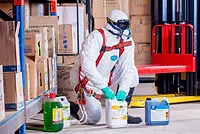
  • Protect yourself before returning to your building. During the cleanup, you risk inhaling dust, contaminants and microorganisms, which are unhealthy for anyone to breathe, but especially risky for children, older adults and people with lung diseases. Wear protective clothing, including gloves, rubber boots and a NIOSH-certified N95 mask to protect you from breathing these particles. NOTE: N95 masks must be fitted and are suited only for adults. Ordinary dust masks cannot provide adequate protection.
  • Turn off the electricity and gas at the main location during cleanup. In addition, do not use portable gasoline- or diesel-powered generators, power washers, grills, camp stoves or other gasoline, propane or charcoal-burning equipment and other devices inside. These produce carbon monoxide that can kill occupants if it builds up indoors.
  • When in doubt, toss it out! Remove everything that has been soaked by water, including clothing, papers, furnishings, carpet, ceiling tiles and wallboard. Anything that cannot be cleaned and dried and anything porous (like drywall or carpet) that had been in floodwaters for 24 to 48 hours recede must be discarded. Simply drying out water will not remove the bacteria or toxins that can make people sick. Damp buildings and furnishings promote the growth of bacteria, dust mites, cockroaches and mold, which can aggravate asthma and allergies and may cause the development of asthma, wheezing, coughing and other allergic diseases. Dangerous substances in floodwaters can include sewage, chemicals, oil and gas which can saturate materials in the home and give off harmful gases. 
  • Use soap and water for cleaning, especially to scrub mold off hard surfaces. Do not use bleach, which can make it hard to breathe.
  • Consider hiring professional cleaners. Individuals with lung disease should seek help cleaning their homes and workplaces after floods. And if more than 10 square feet of your home is flooded or if water has been in the building for more than one or two days, the U.S. Environmental Protection Agency recommends hiring professional cleaners. Flood waters bring in nasty residue that may contaminate porous building materials. Mold flourishes in this environment. Attempting to clean without professional help may increase the risk of developing respiratory problems from these exposures.
  • Do not burn debris or waste, which adds dangerous pollution to the air. Remove it to a designated disposal area.
  • Keep an eye on symptoms.It is not uncommon for people to develop health problems after a disaster, even if they’ve never had problems before. Be aware of any breathing problems that may arise, including:
    • Coughing, especially at night
    • Wheezing or feeling short of breath
    • Chest tightness or pain
    • Get immediate emergency medical help if fingernails or lips are turning blue or if there is severe chest pain. Both could indicate life-threatening health conditions.

If you are concerned about your family’s lung health and have questions, call 1-800-LUNGUSA to talk to respiratory therapist. More information on how lung health is affected by flooding is available at Lung.org/flood.

KEYWORDS: health and wellness public health

Share This Story

Looking for a reprint of this article?
From high-res PDFs to custom plaques, order your copy today!

Recommended Content

JOIN TODAY
to unlock your recommendations.

Already have an account? Sign In

  • forklift safety

    Exploring the latest technologies in forklift safety

    With more staff and more stock in warehousing now more...
    Facility Safety
    By: Josh Cramer
  • welding

    All about welder’s flash or arc eye

    A flash burn is a painful inflammation of the cornea,...
    Environmental Health and Safety
  • dangerous jobs

    The 10 most dangerous jobs in the U.S.

    On-the-job deaths have been rising — hitting the highest...
    Government Safety Regulations
    By: Benita Mehta
Manage My Account
  • eMagazine Subscriptions
  • ISHN Newsletter & Other Newsletter Alerts
  • Online Registration
  • Manage My Preferences
  • Subscription Customer Service

More Videos

Sponsored Content

Sponsored Content is a special paid section where industry companies provide high quality, objective, non-commercial content around topics of interest to the ISHN audience. All Sponsored Content is supplied by the advertising company and any opinions expressed in this article are those of the author and not necessarily reflect the views of ISHN or its parent company, BNP Media. Interested in participating in our Sponsored Content section? Contact your local rep!

close
  • man wearing the the Sundström SR200 Full Face Mask Respirator
    Sponsored byOHD

    5 Fit Testing Mistakes That Could Cost You

  • This image shows Magid AcuSpex polarized blue mirrored safety glasses.
    Sponsored byMagid Glove and Safety

    Construction PPE Guide: What Crews Need for Each Task

  • lone worker in confined space
    Sponsored byAlphasense Ltd.

    GET THE LEAD OUT of your Safety Oxygen Sensors!

Popular Stories

SpaceX 7 launch

OSHA Investigating Fatal Fall at SpaceX Starbase

Automated loading dock equipment

After March 2026 Rivian Death, Safety Managers Reassess Loading Dock Systems Under OSHA's Warehouse Emphasis Program

psychology in the workplace

Most Workplaces Measure Psychological Safety, Ignoring Psychosocial Risks

top 10 most dangerous jobs

Poll

Seasonal Readiness

With the federal heat stress prevention rule on the horizon, which area of your safety program needs the most attention?
View Results Poll Archive

Products

Surviving an OSHA Audit A Management Guide, 2nd Edition

Surviving an OSHA Audit A Management Guide, 2nd Edition

See More Products

ISHN Podcasts

Related Articles

  • Industrial safety

    Be aware of accessibility and safety concerns in industrial spaces

    See More
  • Be aware of three uncommon causes of hearing loss

    See More
  • ISHN0821-HalenHardyImage.jpg

    Be aware of both DOT and OSHA regulations for forklift operator training

    See More

Related Products

See More Products
  • 9780849365461.jpg

    Handbook of OSHA Construction Safety and Health, Second Edition

See More Products

Related Directories

  • CarbonX by Tex Tech Industries

    CarbonX non-flammable fabrics deliver ultimate protection and maximum comfort when safety matters most. With TPP and ATPV ratings far surpassing industry standards, CarbonX solutions are optimized to protect against direct flame, extreme heat, molten metal splash, flammable liquids, certain chemicals, and arc flash in lightweight, flexible, and breathable PPE. Products sold in roll form to allow for customization.
×

Become a Leader in Safety Culture

Build your knowledge with ISHN, covering key safety, health and industrial hygiene news, products, and trends.

JOIN TODAY
  • RESOURCES
    • Advertise
    • Contact Us
    • Directories
    • Manufacturing Division
    • Store
    • Want More
  • SIGN UP TODAY
    • Create Account
    • eMagazine
    • Newsletters
    • Customer Service
    • Manage Preferences
  • SERVICES
    • Marketing Services
    • Reprints
    • Market Research
    • List Rental
    • Survey/Respondent Access
  • STAY CONNECTED
    • LinkedIn
    • Facebook
    • YouTube
    • X (Twitter)
  • PRIVACY
    • PRIVACY POLICY
    • TERMS & CONDITIONS
    • DO NOT SELL MY PERSONAL INFORMATION
    • PRIVACY REQUEST
    • ACCESSIBILITY

Copyright ©2026. All Rights Reserved BNP Media, Inc. and BNP Media II, LLC.

Design, CMS, Hosting & Web Development :: ePublishing