ISHN logo
search
cart
facebook twitter linkedin youtube
  • Sign In
  • Create Account
  • Sign Out
  • My Account
ISHN logo
  • NEWS
    • Today's News
    • Global Safety News
    • Government Regulations
  • PRODUCTS
    • Product Innovations
    • Featured Products
  • TOPICS
    • Environmental Health and Safety
    • Facility Safety
    • Workplace Health
    • Occupational Safety
    • PPE
    • More Topics
  • CONSTRUCTION
  • TECHNOLOGY
  • COLUMNS
    • Best Practices
    • Dave Johnson: What’s going on
    • Editorial Comments
    • Leading Safety
  • MULTIMEDIA
    • ISHN Podcast
    • Videos
    • Cold Stress Education Quiz
    • Webinars
    • White Papers
  • MORE
    • Buyer's Guide
    • Newsletters
    • Convention Companion
    • Polls
    • Events
    • ISHN Store
    • Sponsor Insights
  • EMAGAZINE
    • eMagazine
    • Archived Issues
    • Contact
    • Advertise
  • JOIN TODAY!
Today's Safety NewsColumnsWorkplace Training Strategies

Ground employees in safety

With updated 2012 NFPA 70E training requirements

By Stephanie Zizzo
June 6, 2012
While many updates were made to the National Fire Protection Association 70E standard, one important section that deserves focus is employee training. Unsafe conditions and pieces of equipment cause about one third of electrical injuries and incidents; the other two-thirds are due to the unsafe acts of employees. It is important to educate your employees on how to avoid and prevent exposure to electrical hazards.

According to the 2012 NFPA 70E Handbook, section 110.2(A), “safety training shall apply to employees who face a risk of electrical hazard that is not reduced to a safe level by the applicable electrical installation requirements. Such employees shall be trained to understand the specific hazards associated with electrical energy.” An effective NFPA 70E training program must include relevant safety training topics that are cohesive in the prevention of electrical-related safety incidents. Following is a list of subjects you should include in your training session. Cover these topics in depth with all affected employees:

• Inspecting and selecting PPE

• Lockout/tagout procedures

• Approach boundaries

• Recognizing electrical hazards

• Safe work practices

• Emergency procedures

• NFPA 70E requirements

Changes & updates

You must update and revise your current program to implement any new changes that need to be made. An example of this is reviewing new changes put forth by NFPA. As stated earlier, NFPA made some updates to part 70E, section 110.2, Training Requirements. One of the most important modifications to the standard is the retraining frequency. According to section 110.2(D)(3) Retraining, “Retraining shall be performed at intervals not to exceed 3 years.” This new rule will aid in keeping all employers and their employees updated with new and upcoming standards. This rule also applies to 120.2(B)(2) Lockout/Tagout. Retraining every three years is required there as well.

According to NFPA 70E 105.3, employees must now be trained prior to implementing safety-related work practices. Preventative training is also included in part 110.1(C), which specifies that training on the release of a victim from exposed energized equipment. This is required for employees who are exposed to shock hazards and for employees who are responsible for taking action in case of such emergencies, as well as added provisions for certifying employees on AED use.

Section 110.2(D)(1)(c) has also been updated to clarify that on-the-job training associated with this requirement is necessary for the employee to be considered a qualified person and to provide clarity on the duties being performed by the employee. A qualified person is someone who has the abilities and knowledge related to the process and production of electrical equipment and installations. This person has received extensive safety training on the electrical hazards involved. As a result, section 110.2(D)(2) now clarifies the necessary level of training for unqualified persons on electrical safety-related work practices. An unqualified person is defined as someone who is not qualified, such as a machine operator or someone who does not perform work on or around exposed electrical conductors.

One more essential update to pay attention to is 110.2(E), which now requires that training documentation include the “content of the training.” Documenting what your training consists of will allow you to easily update and change your current training. You can make revisions as your environment and processes change or new standard updates become available.

Additional training

NFPA 70E does state that anytime you implement a new piece of equipment or process that poses new or additional hazards, workers must receive additional training to help further their comprehension of that particular electrical safety hazard. This also includes reassigning an employee to a job that is not part of their normal workday. Additional training must also be provided in that case as well.


For more information on the new 2012 NFPA 70E standards, reference the “2012 NFPA 70E Handbook for Electrical Safety in the Workplace."

For Free previews of any Summit program or access to Summit Trainingweb® online courses, call (800) 842-0466 or visit www.safetyontheweb.com.


Source

Sargent, S. Jeffrey and Michael D. Fontaine. “2012 NFPA 70E Handbook for Electrical Safety in the Workplace”. Quincy: NFPA, 2012. Print.

Injuries, Illnesses, and Fatalities. Bureau of Labor Statistics. 2010. http://www.bls.gov/iif/oshcfoi1.htm


KEYWORDS: electrical safety NFPA

Share This Story

Looking for a reprint of this article?
From high-res PDFs to custom plaques, order your copy today!

Stephanie Zizzo, ASHM, is an environmental health and safety specialist for Summit Training Source, Inc.

Recommended Content

JOIN TODAY
to unlock your recommendations.

Already have an account? Sign In

  • forklift safety

    Exploring the latest technologies in forklift safety

    With more staff and more stock in warehousing now more...
    Workplace Training Strategies
    By: Josh Cramer
  • welding

    All about welder’s flash or arc eye

    A flash burn is a painful inflammation of the cornea,...
    Environmental Health and Safety
  • dangerous jobs

    The 10 most dangerous jobs in the U.S.

    On-the-job deaths have been rising — hitting the highest...
    Transportation Safety
    By: Benita Mehta
Manage My Account
  • eMagazine Subscriptions
  • ISHN Newsletter & Other Newsletter Alerts
  • Online Registration
  • Manage My Preferences
  • Subscription Customer Service

More Videos

Sponsored Content

Sponsored Content is a special paid section where industry companies provide high quality, objective, non-commercial content around topics of interest to the ISHN audience. All Sponsored Content is supplied by the advertising company and any opinions expressed in this article are those of the author and not necessarily reflect the views of ISHN or its parent company, BNP Media. Interested in participating in our Sponsored Content section? Contact your local rep!

close
  • man wearing the the Sundström SR200 Full Face Mask Respirator
    Sponsored byOHD

    5 Fit Testing Mistakes That Could Cost You

  • This image shows Magid AcuSpex polarized blue mirrored safety glasses.
    Sponsored byMagid Glove and Safety

    Construction PPE Guide: What Crews Need for Each Task

  • lone worker in confined space
    Sponsored byAlphasense Ltd.

    GET THE LEAD OUT of your Safety Oxygen Sensors!

Popular Stories

SpaceX 7 launch

OSHA Investigating Fatal Fall at SpaceX Starbase

Worker Impairment

How to Tell When a Co-Worker is Impaired? A Safety Pro’s Challenge

psychology in the workplace

Most Workplaces Measure Psychological Safety, Ignoring Psychosocial Risks

top 10 most dangerous jobs

Poll

Seasonal Readiness

With the federal heat stress prevention rule on the horizon, which area of your safety program needs the most attention?
View Results Poll Archive

Products

Surviving an OSHA Audit A Management Guide, 2nd Edition

Surviving an OSHA Audit A Management Guide, 2nd Edition

See More Products

ISHN Podcasts

Related Articles

  • Five tactics to engage employees in safety

    See More
  • United Airlines skips drug testing for employees in safety-sensitive positions (6/21)

    See More
  • 10 leadership tips for engaging employees in the safety process

    See More

Related Products

See More Products
  • safety law.jpg

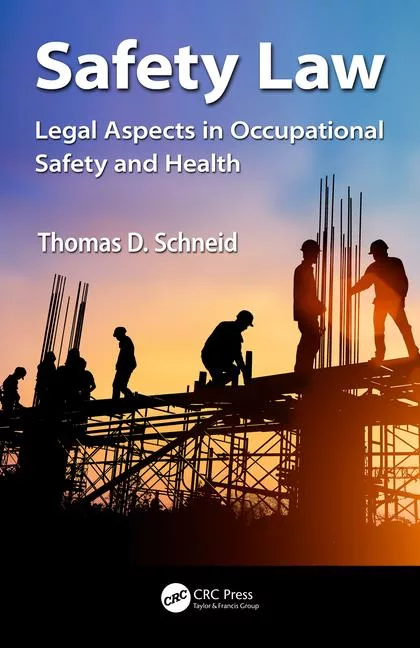
    Safety Law: Legal Aspects in Occupational Safety and Health

See More Products
×

Become a Leader in Safety Culture

Build your knowledge with ISHN, covering key safety, health and industrial hygiene news, products, and trends.

JOIN TODAY
  • RESOURCES
    • Advertise
    • Contact Us
    • Directories
    • Manufacturing Division
    • Store
    • Want More
  • SIGN UP TODAY
    • Create Account
    • eMagazine
    • Newsletters
    • Customer Service
    • Manage Preferences
  • SERVICES
    • Marketing Services
    • Reprints
    • Market Research
    • List Rental
    • Survey/Respondent Access
  • STAY CONNECTED
    • LinkedIn
    • Facebook
    • YouTube
    • X (Twitter)
  • PRIVACY
    • PRIVACY POLICY
    • TERMS & CONDITIONS
    • DO NOT SELL MY PERSONAL INFORMATION
    • PRIVACY REQUEST
    • ACCESSIBILITY

Copyright ©2026. All Rights Reserved BNP Media, Inc. and BNP Media II, LLC.

Design, CMS, Hosting & Web Development :: ePublishing