8 tips to a good night’s sleep
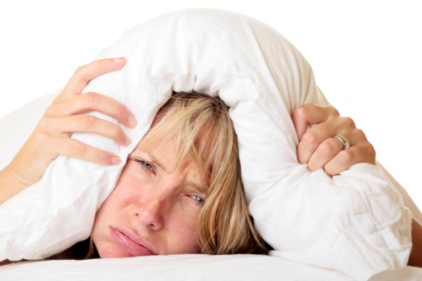 With several popular hypnotic sleep aids, including zolpidem (Ambien) and temazepam (Restoril), now linked to an increased risk of death, the July 2012 issue of the Harvard Women’s Health Watch offers eight tips for getting a better night’s sleep without medicine.
Almost everyone has trouble sleeping from time to time. But when insomnia persists day after day, it can become a real problem. Beyond making a person tired and moody, a lack of sleep can have serious effects on health, increasing the risks for obesity, heart disease, and type 2 diabetes.
Sleep issues can plague us as we get older. “Later in life there tends to be a decrease in the number of hours slept,” says Dr. Karen Carlson, associate professor of medicine at Harvard Medical School and director of Women’s Health Associates at Massachusetts General Hospital.
Many people turn to sleep medications in search of more restful slumber. However, these drugs can have side effects ranging from appetite changes to dizziness, drowsiness, dry mouth, and strange dreams. A study in the British Medical Journal (BMJ) found that people who were taking hypnotic drugs had a higher incidence of cancer, and death, than people who didn’t take these sleep medicines.
If a sleep aid is needed, there’s no reason to avoid using one. But before turning to pills, here are eight tips for getting a better night’s sleep:
Exercise at some point during the day.
- Reserve your bed for sleep and sex—not work or TV.
- Keep the bedroom comfortable.
- Start a sleep ritual.
- Have a bedtime snack—but not too much.
- Avoid alcohol and chocolate before bed.
- Wind down before going to bed.
- See your doctor about what’s keeping you up at night.
Tired of feeling tired? Here are some simple tips to help you get to sleep.
After a night spent tossing and turning, you wake up feeling like a couple of the Seven Dwarves: sleepy…and grumpy. Restless nights and weary mornings can become more frequent as we get older and our sleep patterns change—which often begins around the time of menopause, when hot flashes and other symptoms awaken us.
"Later in life there tends to be a decrease in the number of hours slept," says Dr. Karen Carlson, associate professor of medicine at Harvard Medical School and director of Women's Health Associates at Massachusetts General Hospital. "There are also some changes in the way the body regulates circadian rhythms," she adds. This internal clock helps your body respond to changes in light and dark. When it undergoes a shift with age, it can be harder to fall asleep and stay asleep through the night.
We all have trouble sleeping from time to time, but when insomnia persists day after day, it can become a real problem. Beyond making us tired and moody, a lack of sleep can have serious effects on our health, increasing our propensity for obesity, heart disease, and type 2 diabetes.
If you've been having trouble falling asleep or staying asleep, you may have turned to sleep medications in search of more restful slumber. However, these drugs can have side effects—including appetite changes, dizziness, drowsiness, abdominal discomfort, dry mouth, headaches, and strange dreams.
A recent study in the British Medical Journal associated several hypnotic sleep aids, including zolpidem (Ambien) and temazepam (Restoril), with a possible increased risk of death (although it couldn't confirm how much of the risk was related to these drugs).
You don't need to avoid sleep aids if you absolutely need them, but before you turn to pills, try these eight tips to help you get a better night's sleep:
1. Exercise
Going for a brisk daily walk won't just trim you down, it will also keep you up less often at night. Exercise boosts the effect of natural sleep hormones such as melatonin, Dr. Carlson says. A study in the journal Sleep found that postmenopausal women who exercised for about three-and-a-half hours a week had an easier time falling asleep than women who exercised less often. Just watch the timing of your workouts. Exercising too close to bedtime can be stimulating. Carlson says a morning workout is ideal. "Exposing yourself to bright daylight first thing in the morning will help the natural circadian rhythm," she says.
2. Reserve bed for sleep and sex
Don't use your bed as an office for answering phone calls and responding to emails. Also avoid watching late-night TV there. "The bed needs to be a stimulus for sleeping, not for wakefulness," Dr. Carlson advises. Reserve your bed for sleep and sex.
3. Keep it comfortable
Television isn't the only possible distraction in your bedroom. Ambience can affect your sleep quality too. Make sure your bedroom is as comfortable as possible. Ideally you want "a quiet, dark, cool environment," Dr. Carlson says. "All of these things promote sleep onset."
4. Start a sleep ritual
When you were a child and your mother read you a story and tucked you into bed every night, this comforting ritual helped lull you to sleep. Even in adulthood, a set of bedtime rituals can have a similar effect. "Rituals help signal the body and mind that it's coming to be time for sleep," explains Dr. Carlson. Drink a glass of warm milk. Take a bath. Or listen to calming music to unwind before bed.
5. Eat—but not too much
A grumbling stomach can be distracting enough to keep you awake, but so can an overly full belly. Avoid eating a big meal within two to three hours of bedtime. If you're hungry right before bed, eat a small healthy snack (such as an apple with a slice of cheese or a few whole-wheat crackers) to satisfy you until breakfast.
6. Avoid alcohol and caffeine
If you do have a snack before bed, wine and chocolate shouldn't be part of it. Chocolate contains caffeine, which is a stimulant. Surprisingly, alcohol has a similar effect. "People thinks it makes them a little sleepy, but it's actually a stimulant and it disrupts sleep during the night," Dr. Carlson says. Also stay away from anything acidic (such as citrus fruits and juices) or spicy, which can give you heartburn.
7. De-stress
The bills are piling up and your to-do list is a mile long. Daytime worries can bubble to the surface at night. "Stress is a stimulus. It activates the fight-or-flight hormones that work against sleep," Dr. Carlson says. Give yourself time to wind down before bed. "Learning some form of the relaxation response can promote good sleep and can also reduce daytime anxiety." To relax, try deep breathing exercises. Inhale slowly and deeply, and then exhale.
8. Get checked
An urge to move your legs, snoring, and a burning pain in your stomach, chest, or throat are symptoms of three common sleep disrupters—restless legs syndrome, sleep apnea, and gastroesophageal reflux disease or GERD. If these symptoms are keeping you up at night or making you sleepy during the day, see your doctor for an evaluation.
Taking sleep medicines safely
- If you've tried lifestyle changes and they aren't working, your doctor may prescribe hypnotic sleep medications. These drugs can help you fall asleep faster and stay asleep longer, but they also can have side effects. Here are some tips for ensuring that you're taking these medicines as safely as possible:
- Tell your doctor about all other medicines you're taking. Some drugs can interact with sleep medications.
- Take only the lowest possible effective dose, for the shortest possible period of time.
- Carefully follow your doctor's instructions. Make sure you take the right dose, at the right time of day (which is typically just before bed).
- Call your doctor right away if you experience any side effects, such as excess sleepiness during the day or dizziness.
- While you're taking the sleep medicine, also practice the good sleep habits outlined in this article.
- Avoid drinking alcohol and driving while taking sleep aids.
- Sleep medications may make you walk unsteadily if you get out of bed in a drowsy state. If you routinely have to get out of bed during the night to urinate, be sure the path to your bathroom is clear of obstacles or loose rugs so you don't fall.
Looking for a reprint of this article?
From high-res PDFs to custom plaques, order your copy today!



