In addition to long-term damage, OSHA warns that excessive noise can cause physical and psychological stress, reduce productivity, interfere with communication and concentration, and contribute to workplace accidents and injuries.
The most widespread and well-documented subjective response to noise is annoyance, which may include fear and mild anger, related to a belief that one is being avoidably harmed. Noise is also seen as intrusive into personal privacy, while its meaning for any individual is important in determining whether that person will be annoyed by it.
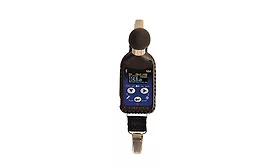
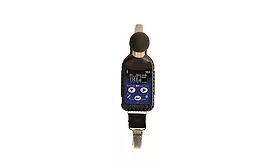
Designs of noise dosimeters have evolved over the years from instruments that used to be worn on the belt with a cable microphone on the shoulder to now where the whole instrument is small enough to be worn on the shoulder during the shift.
Unfortunately, while the new building allowed Citrus Systems to increase production of its fruit and vegetable blends, concentrated juices, teas and other custom products, it carried over the same antiquated dock equipment used in the old one. And that caused a noisy, painful problem.
Industrial plants are known for being loud, acoustically-harsh environments. The combination of high ceilings, reflective surfaces and the din from heavy machinery creates an optimal environment for reverberation and noise.
Columbus, Ohio Wastewater Treatment Plant improves working conditions with Eckel acoustic panels
May 30, 2017
It’s a fact of life in every industrial facility: Heavy machinery and a cavernous room are a bad combination. The noise generated in such an environment quickly becomes intolerable, not to mention dangerous for those working there.
Hearing protection among oil-rig workers improved significantly after they underwent testing for properly fitting earplugs, according to a new study by NIOSH. The researchers reported the findings of their study in the International Journal of Audiology.
(Posted by NIOSH on March 3) Today on World Hearing Day we would like to highlight the pioneering efforts of Florida’s Alachua County Deputy Sheriff, Ryan Lee Scott, who is the winner of the 2017 Safe-in-Sound Excellence in Hearing Loss Prevention Award™ .
It is often said that the U.S. and the U.K. are two nations divided by a common language. For example, Americans name the people who investigate occupational exposure and control methods industrial hygienists, whereas we Brits use occupational hygienists. But where noise is concerned, we definitely have agreement on the causal relationship between exposure and hearing loss, which has been observed anecdotally for centuries.