ISHN logo
search
cart
facebook twitter linkedin youtube
  • Sign In
  • Create Account
  • Sign Out
  • My Account
ISHN logo
  • NEWS
    • Today's News
    • Global Safety News
    • Government Regulations
  • PRODUCTS
    • Product Innovations
    • Featured Products
  • TOPICS
    • Environmental Health and Safety
    • Facility Safety
    • Workplace Health
    • Occupational Safety
    • PPE
    • More Topics
  • CONSTRUCTION
  • TECHNOLOGY
  • COLUMNS
    • Best Practices
    • Dave Johnson: What’s going on
    • Editorial Comments
    • Leading Safety
  • MULTIMEDIA
    • ISHN Podcast
    • Videos
    • Cold Stress Education Quiz
    • Webinars
    • White Papers
  • MORE
    • Buyer's Guide
    • Newsletters
    • Convention Companion
    • Polls
    • Events
    • ISHN Store
    • Sponsor Insights
  • EMAGAZINE
    • eMagazine
    • Archived Issues
    • Contact
    • Advertise
  • JOIN TODAY!
Columns

Learning from lotteries

By E. Scott Geller
July 26, 2000
Perhaps we can learn something from the hysteria over multi-million-dollar lottery jackpots and apply it to our work in safety. I think it tells us something about human nature and motivation — two keys to our safety efforts.

You might recall the seven-state combined “$363 Million Big Game Lotto” that attracted such publicity last spring. It was the largest lottery prize in U.S. history, triggering a record number of lottery ticket purchases. Think about what some people did for a chance at the prize: traveling many miles, waiting in long lines, organizing into teams to better the odds and split the winnings. The greater the payoff, the more effort people will put into going after it.

That’s despite the very, very slim chance of winning. It’s clear that people are more influenced by the value of the lottery prize than the probability of success. As a result, many went to great lengths for that $363 million lottery, when the probability of having a heart attack while waiting in line to purchase a ticket was greater than the odds of taking home the jackpot.

Broad benefits

If your employees’ logic is consistent with most people’s gambling decisions, the potential payoff from their safety efforts will be more influential in motivating their participation than the probability that their effort will make a difference.

So how valuable is safety’s potential payoff? You can try to put it in monetary terms — the cost of a human life or a disabling injury. But is saving that money the same as winning millions in a lottery?

Here’s another way to look at it: safety’s payoff has broader benefits than does winning the lottery. You only benefit from the lottery if you win, or someone you know wins who shares some of the loot with you. But there’s a payoff from safety even if you’re not the one directly benefiting. The indirect reward of preventing one of your team members from getting hurt, or even a total stranger in another department, is personally gratifying and should be a pretty big payoff.

Given these obvious benefits, you’d think that employees would dedicate substantial time and energy to injury prevention efforts — even if the probability is low that their specific, individual effort will directly save someone or prevent an injury. The problem in safety, though, is you can’t see the payoff. We can’t observe injuries or fatalities that didn’t occur as a result of our safety participation. But we can examine our safety outcome numbers (especially severity statistics) before and after a particular safety effort and estimate the payoff.

Dealing with low odds

While lotteries teach us that the value of a potential payoff is more motivating than the probability of the reward happening, the fact is that some people never purchase a lottery ticket because they realize the miniscule chance of winning. That’s a legitimate excuse for not getting caught up in lottery fever.

Likewise, some people resist participating in a safety “flavor of the month” program because of the low probability that their effort will make a difference. So the challenge to the safety professional is to convince these resisters that their efforts could lead to a big payoff for someone. Maybe the payoff will not come directly to them, but someone in their work culture will benefit.

With this rationale, you should be able to “sell” any process that can increase the occurrence of safe behavior and decrease at-risk behavior. It’s obvious that improving safety-related behavior will prevent injury to someone, somewhere, sometime. This is “common sense.” The challenge is to convince potential participants that the process (for example, behavior-based coaching, incident analysis, or safety incentives) can improve safety-related behavior.

After persuading employees that a particular process can prevent an injury, the rest is easy. Just remind them of people’s willingness to purchase a lottery ticket with a big payoff and a low probability of winning. The probability of an individual getting hurt might be extremely low, but avoiding the pain and suffering from a severe injury or fatality is an extremely high payoff.

Now shift the probability from an individual to a group perspective. What’s the probability that someone in your work culture will get seriously hurt this year? How big a payoff is it to prevent that outcome? The size of that payoff should justify substantial participation in a process that could make it happen — even if the probability that one individual’s effort will make the critical difference is small.

Certainly, if we’re willing to travel many miles and stand in long lines for lottery tickets that are essentially worthless, we should be willing to contribute more effort to a safety process that will prevent a fatality — with a probability much greater than winning a state lottery.

The fallacious logic people use when participating in a statewide lottery can be used to encourage their participation in a safety process that could prevent injury or death. Ask potential participants how much money it would be worth for someone in their workplace not to be killed? Then discuss the variety of things they could do to prevent such a tragic outcome.

Share This Story

Looking for a reprint of this article?
From high-res PDFs to custom plaques, order your copy today!

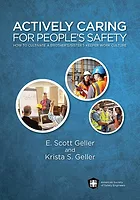
E. Scott Geller, Ph.D., is Alumni Distinguished Professor, Center for Applied Behavior Systems, Virginia Tech, and senior partner with Safety Performance Solutions, Blacksburg, VA. For more information visit www.safetyperformance.com. "Actively Caring for People's Safety: How to cultivate a brother’s/sister’s keeper work culture," co-authored by Scott’s daughter Krista, was recently published by ASSE. Scott’s 15-minute TEDX talk on You Tube can be accessed at: https://www.youtube.com/watch?v=7sxpKhIbr0E


Recommended Content

JOIN TODAY
to unlock your recommendations.

Already have an account? Sign In

  • forklift safety

    Exploring the latest technologies in forklift safety

    With more staff and more stock in warehousing now more...
    Facility Safety
    By: Josh Cramer
  • welding

    All about welder’s flash or arc eye

    A flash burn is a painful inflammation of the cornea,...
    Environmental Health and Safety
  • dangerous jobs

    The 10 most dangerous jobs in the U.S.

    On-the-job deaths have been rising — hitting the highest...
    Government Safety Regulations
    By: Benita Mehta
Manage My Account
  • eMagazine Subscriptions
  • ISHN Newsletter & Other Newsletter Alerts
  • Online Registration
  • Manage My Preferences
  • Subscription Customer Service

More Videos

Sponsored Content

Sponsored Content is a special paid section where industry companies provide high quality, objective, non-commercial content around topics of interest to the ISHN audience. All Sponsored Content is supplied by the advertising company and any opinions expressed in this article are those of the author and not necessarily reflect the views of ISHN or its parent company, BNP Media. Interested in participating in our Sponsored Content section? Contact your local rep!

close
  • man wearing the the Sundström SR200 Full Face Mask Respirator
    Sponsored byOHD

    5 Fit Testing Mistakes That Could Cost You

  • This image shows Magid AcuSpex polarized blue mirrored safety glasses.
    Sponsored byMagid Glove and Safety

    Construction PPE Guide: What Crews Need for Each Task

  • lone worker in confined space
    Sponsored byAlphasense Ltd.

    GET THE LEAD OUT of your Safety Oxygen Sensors!

Popular Stories

SpaceX 7 launch

OSHA Investigating Fatal Fall at SpaceX Starbase

Automated loading dock equipment

After March 2026 Rivian Death, Safety Managers Reassess Loading Dock Systems Under OSHA's Warehouse Emphasis Program

psychology in the workplace

Most Workplaces Measure Psychological Safety, Ignoring Psychosocial Risks

top 10 most dangerous jobs

Poll

Seasonal Readiness

With the federal heat stress prevention rule on the horizon, which area of your safety program needs the most attention?
View Results Poll Archive

Products

Surviving an OSHA Audit A Management Guide, 2nd Edition

Surviving an OSHA Audit A Management Guide, 2nd Edition

See More Products

ISHN Podcasts

Related Articles

  • ASSE

    Hot off the ASSE press: Actively Caring for People’s Safety

    See More
  • Actively Caring for People’s Safety

    4 STEPS to cultivating a brother’s/sister’s keeper culture

    See More
  • actively caring for people, behavior-based safety

    Actively caring for people’s safety

    See More

Related Products

See More Products
  • Top Ten Pitfalls in OSHA Recordkeeping and How to Avoid Them

See More Products
×

Become a Leader in Safety Culture

Build your knowledge with ISHN, covering key safety, health and industrial hygiene news, products, and trends.

JOIN TODAY
  • RESOURCES
    • Advertise
    • Contact Us
    • Directories
    • Manufacturing Division
    • Store
    • Want More
  • SIGN UP TODAY
    • Create Account
    • eMagazine
    • Newsletters
    • Customer Service
    • Manage Preferences
  • SERVICES
    • Marketing Services
    • Reprints
    • Market Research
    • List Rental
    • Survey/Respondent Access
  • STAY CONNECTED
    • LinkedIn
    • Facebook
    • YouTube
    • X (Twitter)
  • PRIVACY
    • PRIVACY POLICY
    • TERMS & CONDITIONS
    • DO NOT SELL MY PERSONAL INFORMATION
    • PRIVACY REQUEST
    • ACCESSIBILITY

Copyright ©2026. All Rights Reserved BNP Media, Inc. and BNP Media II, LLC.

Design, CMS, Hosting & Web Development :: ePublishing