ISHN logo
search
cart
facebook twitter linkedin youtube
  • Sign In
  • Create Account
  • Sign Out
  • My Account
ISHN logo
  • NEWS
    • Today's News
    • Global Safety News
    • Government Regulations
  • PRODUCTS
    • Product Innovations
    • Featured Products
  • TOPICS
    • Environmental Health and Safety
    • Facility Safety
    • Workplace Health
    • Occupational Safety
    • PPE
    • More Topics
  • CONSTRUCTION
  • TECHNOLOGY
  • COLUMNS
    • Best Practices
    • Dave Johnson: What’s going on
    • Editorial Comments
    • Leading Safety
  • MULTIMEDIA
    • ISHN Podcast
    • Videos
    • Cold Stress Education Quiz
    • Webinars
    • White Papers
  • MORE
    • Buyer's Guide
    • Newsletters
    • Convention Companion
    • Polls
    • Events
    • ISHN Store
    • Sponsor Insights
  • EMAGAZINE
    • eMagazine
    • Archived Issues
    • Contact
    • Advertise
  • JOIN TODAY!
Today's Safety News

The friendly skies?

August 10, 2000
Feds move against “air rage”

Call it workplace violence at 30,000 feet. Or “sky rage.” Unruly airline travelers shouting at, kicking, punching, or threatening flight attendants, and even storming the cockpit, is a hot news story and reportedly a growing trend. For airline crews this “at-risk” behavior can be a serious job hazards.

This summer, the Association of Flight Attendants, AFL-CIO, held a “day of action” against air rage, handing out passenger education leaflets at four U.S. airports. Earlier this year, the union successfully pushed Congress to increase penalties for unruly passengers. Fines have been raised from $1,100 to $25,000 for passengers who assault flight attendants.

And the U.S. Attorney General can now deputize local police so they can detain problem passengers once a flight lands. (In the U.S., aviation comes under federal jurisdiction, and in the past arrests could only be made by a federal agent from Customs, Immigration, or the Secret Service.)

Airline industry officials and union leaders disagree over the size of the “air rage” problem. Last year, the Federal Aviation Administration brought 140 cases of crew member interference against passengers. Airlines claim serious incidents are very rare. British carriers transported 85 million travelers in 1998, with only about 100 extreme cases of violent behavior reported, for example.

But at an International Air Transport Association meeting, it was reported that air rage incidents have increased by 400 percent since 1995. It’s enough of a problem that airline insurance firms offer “interrupted flight insurance” to cover the cost of unscheduled landings caused by incidents of air rage.

There’s no dispute that extremely agitated air travelers jeopardize the safety of crews and passengers. A recent NASA study found in 40 percent of 152 cases of air rage, pilots either left the cockpit to settle the situation or were interrupted by flight attendants. In a quarter of those cases, pilots said they committed errors such as flying too fast or at the wrong altitude.

Share This Story

Looking for a reprint of this article?
From high-res PDFs to custom plaques, order your copy today!

Recommended Content

JOIN TODAY
to unlock your recommendations.

Already have an account? Sign In

  • forklift safety

    Exploring the latest technologies in forklift safety

    With more staff and more stock in warehousing now more...
    Facility Safety
    By: Josh Cramer
  • welding

    All about welder’s flash or arc eye

    A flash burn is a painful inflammation of the cornea,...
    Environmental Health and Safety
  • dangerous jobs

    The 10 most dangerous jobs in the U.S.

    On-the-job deaths have been rising — hitting the highest...
    Transportation Safety
    By: Benita Mehta
Manage My Account
  • eMagazine Subscriptions
  • ISHN Newsletter & Other Newsletter Alerts
  • Online Registration
  • Manage My Preferences
  • Subscription Customer Service

More Videos

Sponsored Content

Sponsored Content is a special paid section where industry companies provide high quality, objective, non-commercial content around topics of interest to the ISHN audience. All Sponsored Content is supplied by the advertising company and any opinions expressed in this article are those of the author and not necessarily reflect the views of ISHN or its parent company, BNP Media. Interested in participating in our Sponsored Content section? Contact your local rep!

close
  • man wearing the the Sundström SR200 Full Face Mask Respirator
    Sponsored byOHD

    5 Fit Testing Mistakes That Could Cost You

  • This image shows Magid AcuSpex polarized blue mirrored safety glasses.
    Sponsored byMagid Glove and Safety

    Construction PPE Guide: What Crews Need for Each Task

  • lone worker in confined space
    Sponsored byAlphasense Ltd.

    GET THE LEAD OUT of your Safety Oxygen Sensors!

Popular Stories

SpaceX 7 launch

OSHA Investigating Fatal Fall at SpaceX Starbase

Automated loading dock equipment

After March 2026 Rivian Death, Safety Managers Reassess Loading Dock Systems Under OSHA's Warehouse Emphasis Program

psychology in the workplace

Most Workplaces Measure Psychological Safety, Ignoring Psychosocial Risks

top 10 most dangerous jobs

Poll

Seasonal Readiness

With the federal heat stress prevention rule on the horizon, which area of your safety program needs the most attention?
View Results Poll Archive

Products

Surviving an OSHA Audit A Management Guide, 2nd Edition

Surviving an OSHA Audit A Management Guide, 2nd Edition

See More Products

ISHN Podcasts

Related Articles

  • Making the skies safer

    See More
  • The unfriendly skies

    See More
  • ULT

    New user-friendly system concept for various fume extraction tasks available in the U.S.

    See More

Related Products

See More Products
  • 1119906652.webp

    Alive and Well at the End of the Day: The Supervisor's Guide to Managing Safety in Operations, 2E

  • fearless world.jpg

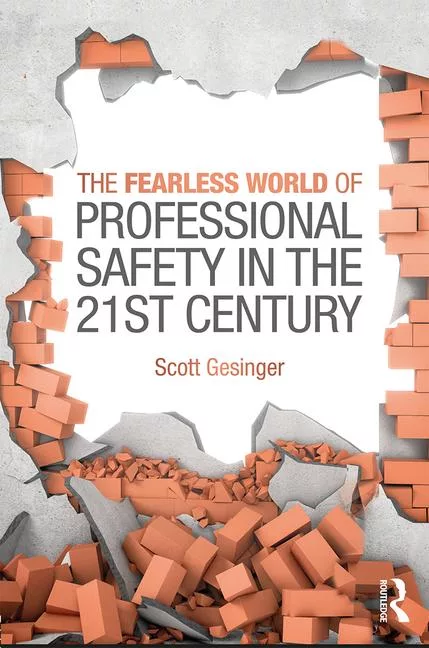
    The Fearless World of Professional Safety in the 21st Century

See More Products

Related Directories

  • The Back School

    The Back School facilitates reducing work-related injuries; increasing employee productivity, safety, efficiency and job satisfaction; and reducing absenteeism.
×

Become a Leader in Safety Culture

Build your knowledge with ISHN, covering key safety, health and industrial hygiene news, products, and trends.

JOIN TODAY
  • RESOURCES
    • Advertise
    • Contact Us
    • Directories
    • Manufacturing Division
    • Store
    • Want More
  • SIGN UP TODAY
    • Create Account
    • eMagazine
    • Newsletters
    • Customer Service
    • Manage Preferences
  • SERVICES
    • Marketing Services
    • Reprints
    • Market Research
    • List Rental
    • Survey/Respondent Access
  • STAY CONNECTED
    • LinkedIn
    • Facebook
    • YouTube
    • X (Twitter)
  • PRIVACY
    • PRIVACY POLICY
    • TERMS & CONDITIONS
    • DO NOT SELL MY PERSONAL INFORMATION
    • PRIVACY REQUEST
    • ACCESSIBILITY

Copyright ©2026. All Rights Reserved BNP Media, Inc. and BNP Media II, LLC.

Design, CMS, Hosting & Web Development :: ePublishing