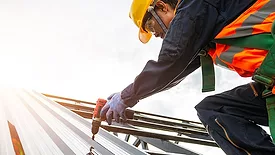
Construction work remains one of the most dangerous occupations in the United States in 2022. The private sector is hard at work addressing these various dangers in new and exciting ways, most of which incorporate smart technology, with advanced engineering and tried and true solutions from the past.
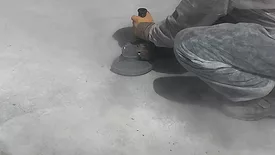
Managers and supervisors in the construction and manufacturing industries need to protect their employees from various work-related hazards, including the presence of silica dust.
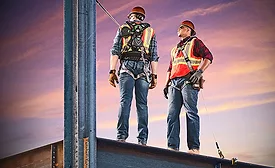
A federal investigation determined that, if required safety guards or fall protection had been installed, the 39-year-old employee’s ninth day on the job in Mapleton, Illinois might not have been their last.
9th inspection since 2021 finds Max Contractors Inc. workers’ safety at risk
November 3, 2022
A Philadelphia framing contractor faces $269,594 in proposed penalties after the company was again found exposing employees to deadly fall hazards at a residential worksite in the city’s Roxborough section on April 21, 2022.
The adoption of the State Emphasis Program, which follows the federal Occupational Safety and Health Administration's introduction of a National Emphasis Program focused on heat hazards, allows MIOSHA to perform comprehensive inspection targeting and outreach.
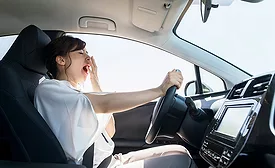
Many construction crews and engineers work on-call or extend their shifts longer than eight hours. While these workers are commendable for their commitment, irregular and extensive schedules are not sustainable.
To help construction businesses improve their safety performance, we're looking at 5 best practices that can immensely improve construction worker safety while on the job.
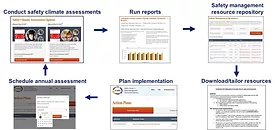
Companies of any size or available resources can start their safety climate improvement journey by using one of the system’s two assessments developed by CPWR (with stakeholder input) to either measure their safety climate maturity or conduct a simple needs assessment of the company’s jobsite safety climate across eight leading indicators.
Because construction work is so core to society's well-being, safety managers need to ensure crew members remain protected from any threats that might come their way. Unfortunately, the job becomes much more difficult when crews must work at night.