ISHN logo
search
cart
facebook twitter linkedin youtube
  • Sign In
  • Create Account
  • Sign Out
  • My Account
ISHN logo
  • NEWS
    • Today's News
    • Global Safety News
    • Government Regulations
  • PRODUCTS
    • Product Innovations
    • Featured Products
  • TOPICS
    • Environmental Health and Safety
    • Facility Safety
    • Workplace Health
    • Occupational Safety
    • PPE
    • More Topics
  • CONSTRUCTION
  • TECHNOLOGY
  • COLUMNS
    • Best Practices
    • Dave Johnson: What’s going on
    • Editorial Comments
    • Leading Safety
  • MULTIMEDIA
    • ISHN Podcast
    • Videos
    • Cold Stress Education Quiz
    • Webinars
    • White Papers
  • MORE
    • Buyer's Guide
    • Newsletters
    • Convention Companion
    • Polls
    • Events
    • ISHN Store
    • Sponsor Insights
  • EMAGAZINE
    • eMagazine
    • Archived Issues
    • Contact
    • Advertise
  • JOIN TODAY!
Government Safety RegulationsEnvironmental Health and SafetyConstruction Industry Safety and Health

How jobsite data becomes legal evidence

By David Ward, Brian Junginger
Legal issues
Korrawin / iStock / Getty Images Plus
November 3, 2022

The impact of the construction labor shortage is now seeping into the courtroom. Here’s an increasingly familiar scenario that has – or is likely to happen – to many general contractors (GCs).

A project is moving along on time and on budget when suddenly there aren’t enough workers or subcontractors available to complete the project on time. Existing crews are spread too thin and quality suffers. The anticipated completion date gets extended, the client gets upset and begins questioning as to whether it will meet the completion date. Depending on the contract, the client may withhold payment or request that the GC accelerate its work to timely complete the project. As both sides argue their points, the GC needs to prove they and their subcontractors have sufficiently manned the project. 


This is where it can get tricky.

Many GCs and subcontractors still use old school processes for documenting workers and subcontractors on jobsites with the use of paper sign-in sheets or manual recording (i.e. Excel spreadsheets). Those forms somehow make their way back to the main office and are sometimes transferred into a project management platform, payroll software and/or filed away in a cabinet. The forms aren’t always legible, complete or accurate.

A similar scenario happens with the daily log. The sign-in sheets can inform part of the daily log while the rest of the information is largely based on memory of what happened, punch list status, weather, deliveries, etc. And the reports are often done at the end of a long day. Here, too, relying on paper forms and memory is not the best idea, especially if the project eventually ends up in a lawsuit.

As a construction litigation attorney, I can tell you that having someone comb through stacks of daily sign-in sheets and daily logs, from months or years later, is time consuming at best and at worst, detrimental to the GC’s case.


Labor shortage continues

These situations shouldn’t come as a surprise and their impact can be minimized. It’s no secret that the construction labor shortage has been an on-going issue for over a decade. More recent data on the situation from the Associated Builders and Contractors reports that construction currently needs more than a half a million workers above its current pace of hiring in order to meet demand.

As the labor shortage continues and the use of digital tools increases on jobsites, GCs can’t ignore the importance of using them to automate outdated processes and create digital records that are easy to access and understand. While the tools can’t create more workers, they can help maximize the productivity of everybody on the jobsite by reducing admin work. In fact, workers are asking for them.

In the March “Digital Technology in Construction: 2022” survey conducted by the National Association of Women in Construction (NAWIC) and Safe Site Check In, 95 percent of respondents reported being more productive through the use of new technologies built for the construction industry. When asked which of the latest construction technologies are most helpful, the top answer was smartphone apps for managing projects and the workforce.

Since the pandemic, the number of digital tools on the jobsite has increased. At first they were used to conduct health screenings and now they’ve morphed into a way to manage people and projects in the field while keeping digital records of what happened and who was there. Based on the example above, the information contained in a daily log can be evidence demonstrating that a contractor’s lack of manpower was not the driving force for the delay to the project. 

Yet digital records from the jobsite aren’t just about protecting the company from a legal perspective. It’s also about running a more efficient business. By shifting from paper to digital, you cut down on admin and maximize productivity of everybody onsite. For example, the daily log can be crowdsourced from digital check-in records including documentation of who was there, when they started, and their assignment for the day. All of that data can automatically flow right into a project management platform like Procore or CMiC. This gives the GC insight into the profitability and productivity of each job, and lets them know in advance of potential delays due to workforce issues.

As digital transformation makes its way to the construction industry, we will see more cases where digital jobsite data is relied upon as evidence. It’s in the GC’s best interest to take advantage of the latest digital tools and platforms.

KEYWORDS: contractors legal management

Share This Story

Looking for a reprint of this article?
From high-res PDFs to custom plaques, order your copy today!

David Ward is CEO at Safe Site.

Brian Junginger is construction litigation attorney at McInerney & Dillon.

Recommended Content

JOIN TODAY
to unlock your recommendations.

Already have an account? Sign In

  • forklift safety

    Exploring the latest technologies in forklift safety

    With more staff and more stock in warehousing now more...
    Workplace Training Strategies
    By: Josh Cramer
  • welding

    All about welder’s flash or arc eye

    A flash burn is a painful inflammation of the cornea,...
    Environmental Health and Safety
  • dangerous jobs

    The 10 most dangerous jobs in the U.S.

    On-the-job deaths have been rising — hitting the highest...
    Construction Industry Safety and Health
    By: Benita Mehta
Manage My Account
  • eMagazine Subscriptions
  • ISHN Newsletter & Other Newsletter Alerts
  • Online Registration
  • Manage My Preferences
  • Subscription Customer Service

More Videos

Sponsored Content

Sponsored Content is a special paid section where industry companies provide high quality, objective, non-commercial content around topics of interest to the ISHN audience. All Sponsored Content is supplied by the advertising company and any opinions expressed in this article are those of the author and not necessarily reflect the views of ISHN or its parent company, BNP Media. Interested in participating in our Sponsored Content section? Contact your local rep!

close
  • man wearing the the Sundström SR200 Full Face Mask Respirator
    Sponsored byOHD

    5 Fit Testing Mistakes That Could Cost You

  • This image shows Magid AcuSpex polarized blue mirrored safety glasses.
    Sponsored byMagid Glove and Safety

    Construction PPE Guide: What Crews Need for Each Task

  • lone worker in confined space
    Sponsored byAlphasense Ltd.

    GET THE LEAD OUT of your Safety Oxygen Sensors!

Popular Stories

SpaceX 7 launch

OSHA Investigating Fatal Fall at SpaceX Starbase

Automated loading dock equipment

After March 2026 Rivian Death, Safety Managers Reassess Loading Dock Systems Under OSHA's Warehouse Emphasis Program

chemical safety

It Was Just Sugar: Catastrophic Safety Failures in Louisville

top 10 most dangerous jobs

Poll

Seasonal Readiness

With the federal heat stress prevention rule on the horizon, which area of your safety program needs the most attention?
View Results Poll Archive

Products

Surviving an OSHA Audit A Management Guide, 2nd Edition

Surviving an OSHA Audit A Management Guide, 2nd Edition

See More Products

ISHN Podcasts

Related Articles

  • harmful dust, fumes, and sprays

    How to determine what type of respiratory protection you need for your jobsite

    See More
  • Silica dust safety

    How to protect yourself from silicosis on a jobsite

    See More
  • Fire, gas detection & suppression systems deliver real-time data

    How to use EHS data effectively to make positive change

    See More

Related Products

See More Products
  • 9781498773416.jpg

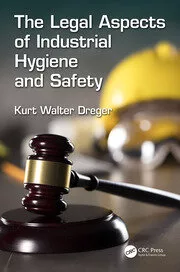
    The Legal Aspects of Industrial Hygiene and Safety

  • safety law.jpg

    Safety Law: Legal Aspects in Occupational Safety and Health

  • Top Ten Pitfalls in OSHA Recordkeeping and How to Avoid Them

See More Products
×

Become a Leader in Safety Culture

Build your knowledge with ISHN, covering key safety, health and industrial hygiene news, products, and trends.

JOIN TODAY
  • RESOURCES
    • Advertise
    • Contact Us
    • Directories
    • Manufacturing Division
    • Store
    • Want More
  • SIGN UP TODAY
    • Create Account
    • eMagazine
    • Newsletters
    • Customer Service
    • Manage Preferences
  • SERVICES
    • Marketing Services
    • Reprints
    • Market Research
    • List Rental
    • Survey/Respondent Access
  • STAY CONNECTED
    • LinkedIn
    • Facebook
    • YouTube
    • X (Twitter)
  • PRIVACY
    • PRIVACY POLICY
    • TERMS & CONDITIONS
    • DO NOT SELL MY PERSONAL INFORMATION
    • PRIVACY REQUEST
    • ACCESSIBILITY

Copyright ©2026. All Rights Reserved BNP Media, Inc. and BNP Media II, LLC.

Design, CMS, Hosting & Web Development :: ePublishing