Is nighttime construction work essential to the job?
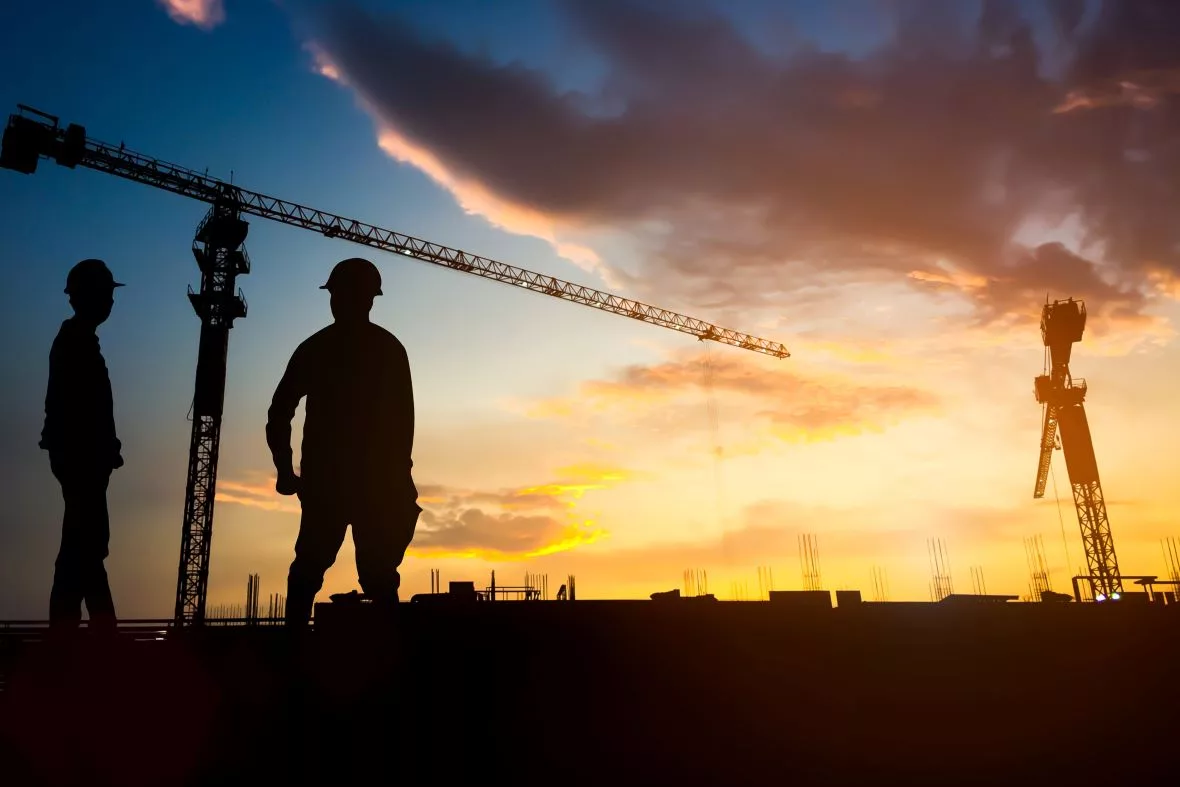
Credit: sorn340 / iStock / Getty Images Plus
Construction sites may have to employ night shift workers to get tasks done promptly without potentially inconveniencing the public. The construction industry is a massive field valued at over $1 trillion in the United States alone, making it an essential part of the economy.
Because construction work is so core to society's well-being, safety managers need to ensure crew members remain protected from any threats that might come their way. Unfortunately, the job becomes much more difficult when crews must work at night.
Why does nighttime construction work happen?
Nighttime construction work can be unavoidable with some jobs and contracts, especially if the deadlines are tight or the incentives are good. Companies may have to rely on working around the clock if a project needs faster completion times.
In some cases, nighttime construction is scheduled because it's just easier. There's less traffic to worry about on the roads, so employees won't have to pause their work to allow people to move through the work site. There’s also less risk of heat-related issues like heatstroke when projects are scheduled through summer months.
Sometimes, delays happen due to inclement weather or a force outside of anyone's control, which can cause delays that nighttime work schedules can help alleviate. This was a common problem throughout the COVID-19 pandemic, as project managers scrambled to keep projects afloat and reduce exposure with staggered worker schedules and unexpected site closures.
If it’s necessary, here’s how to reduce nighttime risks
The night shift can be dangerous, even if fewer cars are on the road. Nighttime employees must avoid several hazardous situations while maintaining their focus and working through the darkness. Though the night shift might be inherently more complex than a daytime shift, you can still make your crew feel safe, no matter the situation.
1. Keep adequate lighting
Firstly and most importantly — light it up. Adequate lighting at night can help your crew avoid traffic or heavy machinery injuries. You need lights bright enough to illuminate every dark corner. That way, your employees can see every task they’re working on clearly and be aware of where their teammates are at any time.
Bright lights can also help cars on adjacent roads know workers are around, thereby increasing their focus. Lights are practical, but they are a safety necessity first and foremost. Health and safety professionals should implement this step before any other.
2. Pay attention to all surroundings
Nighttime construction on highway and road projects can be especially hazardous due to lower visibility. Additionally, there are usually more drunk drivers out at night. Fatalities due to driving under the influence are all-too-common, accounting for about 30% of all driving-related deaths.
If you can spare an employee, have someone watching traffic during the night. This person — or people, if you send them out in shifts — acts as a guard who will notice if a driver seems off. This way, they can radio the others and tell them whether an erratic driver is coming through.
3. Wear reflective safety gear
In addition to the usual safety gear you wear while working, make sure your crew wears reflective material. Most people know to wear reflective vests, but you should add reflective strips to helmets or work boots. Anything that may help your crew get seen by oncoming cars works well.
OSHA requires nighttime workers wear high-visibility clothing to minimize the event of an accident. As a safety manager, you must ensure everyone does what they can to avoid a work site accident.
4. Minimize noise when possible
It may seem impossible to minimize the noise at a construction site, but you have to be conscious of the people in the area. If your site operates both during the day and at night, try to complete loud activities — such as using a jackhammer or running diesel engines — during the day whenever possible. This will help ease relations with the community, who may not appreciate nighttime construction in a residential or commercial district.
Cutting down on noise at night can also help your employees stay healthy and alert. It reduces the potential for workers to be distracted when verbal communication and signals are more important than ever. Plus, it’s general best practice for workers’ hearing to reduce noise as much as possible in construction.
5. Rest properly
Breaks are essential to any job well done, but night work can be especially draining on mental and physical health. If your crew has been working since the day, they need a few long breaks to rest their muscles and minds.
In addition to adequate breaks, ensure your workers get enough rest at home. If they have to work long shifts throughout the day and night, they deserve a day of rest. If you're in charge of scheduling, ensure they have plenty of time to recuperate from doing manual labor for long hours.
Not everyone works well at night, as many people thrive on being active during the day and resting in the evening. The adjustment might be difficult on your crew, so do what you can to make the transition as seamless as possible — including advocating for them to take care of themselves.
Be cautious, especially at night
Nighttime can be dangerous in all fields, but construction workers experience an extra level of hazard just by nature of the darkness, proximity to traffic and other risk factors. Safety should be an utmost priority at any site. Productivity might slow to keep everyone safe, but taking a bit longer on a single job is better than facing an injury.
Education will be a huge help when advocating for safety measures to your crew. Do what you can to keep them safe and they'll be glad for the additional provisions you provide while looking out for them.
Looking for a reprint of this article?
From high-res PDFs to custom plaques, order your copy today!


