ISHN logo
search
cart
facebook twitter linkedin youtube
  • Sign In
  • Create Account
  • Sign Out
  • My Account
ISHN logo
  • NEWS
    • Today's News
    • Global Safety News
    • Government Regulations
  • PRODUCTS
    • Product Innovations
    • Featured Products
  • TOPICS
    • Environmental Health and Safety
    • Facility Safety
    • Workplace Health
    • Occupational Safety
    • PPE
    • More Topics
  • CONSTRUCTION
  • TECHNOLOGY
  • COLUMNS
    • Best Practices
    • Dave Johnson: What’s going on
    • Editorial Comments
    • Leading Safety
  • MULTIMEDIA
    • ISHN Podcast
    • Videos
    • Cold Stress Education Quiz
    • Webinars
    • White Papers
  • MORE
    • Buyer's Guide
    • Newsletters
    • Convention Companion
    • Polls
    • Events
    • ISHN Store
    • Sponsor Insights
  • EMAGAZINE
    • eMagazine
    • Archived Issues
    • Contact
    • Advertise
  • JOIN TODAY!
Workplace Health

Take a daily pill and live longer? One in three say “no”
February 6, 2015

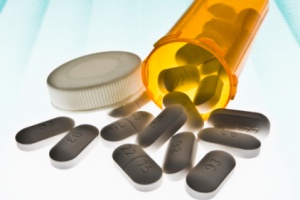
prescription drugsOne in three people say they would risk living a shorter life instead of taking a daily pill to prevent cardiovascular disease, according to new research in Circulation: Cardiovascular Quality and Outcomes, an American Heart Association (AHA) journal.

A hypothetical question

Researchers at the University of California San Francisco (UCSF) and the University of North Carolina at Chapel Hill surveyed 1,000 people (average age 50) via the Internet hypothetically asking how much time they were willing to forfeit at the end of their lives to avoid taking daily medication. They were also asked the amount of money they would pay and the hypothetical risk of death they were willing to accept to avoid taking medications to prevent cardiovascular disease.

The survey showed:

  • More than 8 percent of participants were willing to trade as much as two years of life to avoid taking daily medication for cardiovascular disease; while roughly 21 percent would trade between one week and a year of their lives.
  • About 70 percent said they wouldn’t trade any weeks of their lives to avoid taking a CVD pill daily
  • About 13 percent of participants said they would accept minimal risk of death to avoid taking a pill daily; 9 percent said they’d risk a 10 percent chance; and about 62 percent weren’t willing to gamble any risk of immediate death.
  • About 21 percent said they would pay $1,000 or more to avoid taking a pill each day for the rest of their lives, but 43 percent said they wouldn’t pay any amount. 

A quality of life question

“What we were really trying to measure is how much the act of taking a pill — obtaining it, remembering to take it and actually taking it — interferes with one’s quality of life,” said Robert Hutchins, M.D., M.P.H., lead author and resident physician in UCSF’s Department of Medicine, Division of General Internal Medicine. “Even ignoring the side-effects of pills, the act of having to take a daily pill can have a large effect on an individual’s quality of life."

“When you consider that many adults are on numerous pills, the effect is often magnified for that person,” he said. “On a population level, even for the small reductions in quality of life like those found in this study, that effect multiplied across millions of people can have very large effects on the cost-effectiveness of that drug for a population.”

While Hutchins and co-authors, believe this is the largest study to date to quantify the utility of taking such medications, they note that the survey was hypothetical. Researchers used a time trade-off method as their primary goal, with the standard gamble and willingness-to-pay as secondary aims.

The standard gamble technique measures an individual’s preference under uncertain situations — in this case whether they may one day require cardiovascular medications and whether they would take them or risk CVD or related death.

Money a factor, even though...

Although the survey stipulated that participants wouldn’t have to pay for pills and to ignore any potential side effects, researchers aren’t certain that these issues didn’t affect responses. 

“It is important to note that our survey only measured individuals’ preferences at one point in time,” Hutchins said. “However, the fact that we did not see large differences gives us confidence that this effect is probably not large.”

The respondents were 59 percent female and 63 percent Caucasian. Almost a third didn’t have college degrees and 51 percent had incomes between $25,000 and $75,000.

The mean utility – the value of taking just one daily pill for CVD prevention, such as statins or even aspirin – was found to be approximately 0.990 to 0.994. Utility refers to potential value of preventative services including disease prevention, cost effectiveness, quality of life and adverse effects.

The study’s findings are useful for policymakers evaluating preventive interventions, specifically the cost effectiveness of those interventions for cardiovascular disease, Hutchins said.

Co-authors are Anthony J. Viera, M.D., M.P.H.; Stacey L. Sheridan, M.D., M.P.H.; and Michael P. Pignone, M.D., M.P.H.

KEYWORDS: cardiovascular health Centers for Disease Control (CDC) health and wellness medications prescription medication

Share This Story

Looking for a reprint of this article?
From high-res PDFs to custom plaques, order your copy today!

Recommended Content

JOIN TODAY
to unlock your recommendations.

Already have an account? Sign In

  • forklift safety

    Exploring the latest technologies in forklift safety

    With more staff and more stock in warehousing now more...
    Facility Safety
    By: Josh Cramer
  • welding

    All about welder’s flash or arc eye

    A flash burn is a painful inflammation of the cornea,...
    Environmental Health and Safety
  • dangerous jobs

    The 10 most dangerous jobs in the U.S.

    On-the-job deaths have been rising — hitting the highest...
    Construction Industry Safety and Health
    By: Benita Mehta
Manage My Account
  • eMagazine Subscriptions
  • ISHN Newsletter & Other Newsletter Alerts
  • Online Registration
  • Manage My Preferences
  • Subscription Customer Service

More Videos

Sponsored Content

Sponsored Content is a special paid section where industry companies provide high quality, objective, non-commercial content around topics of interest to the ISHN audience. All Sponsored Content is supplied by the advertising company and any opinions expressed in this article are those of the author and not necessarily reflect the views of ISHN or its parent company, BNP Media. Interested in participating in our Sponsored Content section? Contact your local rep!

close
  • man wearing the the Sundström SR200 Full Face Mask Respirator
    Sponsored byOHD

    5 Fit Testing Mistakes That Could Cost You

  • This image shows Magid AcuSpex polarized blue mirrored safety glasses.
    Sponsored byMagid Glove and Safety

    Construction PPE Guide: What Crews Need for Each Task

  • lone worker in confined space
    Sponsored byAlphasense Ltd.

    GET THE LEAD OUT of your Safety Oxygen Sensors!

Popular Stories

SpaceX 7 launch

OSHA Investigating Fatal Fall at SpaceX Starbase

Worker Impairment

How to Tell When a Co-Worker is Impaired? A Safety Pro’s Challenge

Automated loading dock equipment

After March 2026 Rivian Death, Safety Managers Reassess Loading Dock Systems Under OSHA's Warehouse Emphasis Program

top 10 most dangerous jobs

Poll

Seasonal Readiness

With the federal heat stress prevention rule on the horizon, which area of your safety program needs the most attention?
View Results Poll Archive

Products

Surviving an OSHA Audit A Management Guide, 2nd Edition

Surviving an OSHA Audit A Management Guide, 2nd Edition

See More Products

ISHN Podcasts

Related Articles

  • One in three adults don’t get enough sleep

    See More
  • More than one in three American adults are obese

    See More
  • Study finds one daily pill could help lower risk of heart disease in some patients

    See More

Related Products

See More Products
  • 9781138749573.jpg

    Occupational Health and Safety Management: A Practical Approach, Third Edition

See More Products

Related Directories

  • Safe Site Check In LLC

    Make Jobsite Management Easy(™). Safe Site Check In saves jobsite safety, super, project, and cost managers hours a day including: Digital badging, onboarding & training, Safety screening, Daily log creation Safety JSA, EAP, SDS Project management integration, Subcontractor management, Remote site monitoring, Worker profiles, Incident investigations.
×

Become a Leader in Safety Culture

Build your knowledge with ISHN, covering key safety, health and industrial hygiene news, products, and trends.

JOIN TODAY
  • RESOURCES
    • Advertise
    • Contact Us
    • Directories
    • Manufacturing Division
    • Store
    • Want More
  • SIGN UP TODAY
    • Create Account
    • eMagazine
    • Newsletters
    • Customer Service
    • Manage Preferences
  • SERVICES
    • Marketing Services
    • Reprints
    • Market Research
    • List Rental
    • Survey/Respondent Access
  • STAY CONNECTED
    • LinkedIn
    • Facebook
    • YouTube
    • X (Twitter)
  • PRIVACY
    • PRIVACY POLICY
    • TERMS & CONDITIONS
    • DO NOT SELL MY PERSONAL INFORMATION
    • PRIVACY REQUEST
    • ACCESSIBILITY

Copyright ©2026. All Rights Reserved BNP Media, Inc. and BNP Media II, LLC.

Design, CMS, Hosting & Web Development :: ePublishing