ISHN logo
search
cart
facebook twitter linkedin youtube
  • Sign In
  • Create Account
  • Sign Out
  • My Account
ISHN logo
  • NEWS
    • Today's News
    • Global Safety News
    • Government Regulations
  • PRODUCTS
    • Product Innovations
    • Featured Products
  • TOPICS
    • Environmental Health and Safety
    • Facility Safety
    • Workplace Health
    • Occupational Safety
    • PPE
    • More Topics
  • CONSTRUCTION
  • TECHNOLOGY
  • COLUMNS
    • Best Practices
    • Dave Johnson: What’s going on
    • Editorial Comments
    • Leading Safety
  • MULTIMEDIA
    • ISHN Podcast
    • Videos
    • Cold Stress Education Quiz
    • Webinars
    • White Papers
  • MORE
    • Buyer's Guide
    • Newsletters
    • Convention Companion
    • Polls
    • Events
    • ISHN Store
    • Sponsor Insights
  • EMAGAZINE
    • eMagazine
    • Archived Issues
    • Contact
    • Advertise
  • JOIN TODAY!
ColumnsWorkplace Training Strategies

AEDs and Good Samaritan laws

Provide training to give rescuers immunity from civil liability

By Dave Johnson
December 2, 2015

About 10,000 sudden cardiac arrests (SAC) occur each year while the victims are working, according to OSHA. How many employees do you think are reluctant to come to their aid using automated external defibrillators (AEDs) due to the fear of being sued if something goes wrong?

Good Samaritan laws are meant to protect employees who come to the aid of emergency medical victims motivated by no other reason than concern and kindness. Protection from liability is critical because waiting for the arrival of emergency medical personnel results in only 5-7 percent survival, according to OSHA.  Studies with immediate defibrillation have shown up to 60 percent survival after one year after sudden cardiac arrest, according to the agency.

Voluntary rescuers are the primary beneficiaries of Good Samaritan laws – rescuers who act without any expectation of reward. But laws are different in every state. For example, in Pennsylvania, for anyone to receive immunity from civil liability, the law states that the person must hold a current certificate demonstrating successful completion of a course in first aid, advanced life-saving, or basic life support sponsored by the American Red Cross, American Heart Association or equivalent. According to experts, employees shouldn’t be afraid to lend a hand in an emergency such as a SAC. It’s more important to act quickly and follow your training than worry about making mistakes.

According to OSHA, your workers can easily be trained to recognize sudden cardiac arrest and notify EMS personnel, perform cardiopulmonary resuscitation (CPR), provide early defibrillation with an AED, and care for the victim until EMS personnel arrive.

Typical training

Since most states regulate health care training for public safety personnel, the National Center for Early Defibrillation (NCED) recommends checking with state authorities to make sure your training program is consistent with state guidelines. AED training curricula vary, but generally emphasize:

• A working knowledge of CPR

• Safety for both victims and rescuers

• Proper placement of electrodes

• Delivering the first shock as quickly as possible, ideally within 60 seconds from time of arrival at the victim's side

• Plenty of hands-on practice, with one instructor and one AED or AED trainer for every four to six students

A sample AED class

The following sample AED class outline demonstrates the simplicity of AED training, according to NCED:

Prerequisite: CPR training

• Distribute course materials to students two weeks prior to class. Course materials may include instructional booklets and videos, local AED protocols, skills checklists, and operating guidelines for the specific device that will be used.

• Present introductory lecture. (20 minutes)

• Demonstrate how to use the AED. (20 minutes)

• Review local AED treatment protocols. (20 minutes)

• Supervise practice. Each student should have the opportunity to manage at least three scenarios. (60 minutes)

• Discuss medical direction, device maintenance, continuing education, documentation and quality assurance. (15 minutes)

• Administer written evaluation. (Optional) (30 minutes)

• Administer practical evaluation following skills checklist. (60 minutes)

• Provide remedial training for those who do not successfully complete evaluation process.

Brief review sessions (about 30 to 60 minutes long) are an effective way to keep AED skills fresh, according to NCED. Sessions should be used to review AED operation and maintenance, review standing orders, practice protocols using various scenarios, critique recent cases, and evaluate skills.

KEYWORDS: AED cardiac arrest

Share This Story

Looking for a reprint of this article?
From high-res PDFs to custom plaques, order your copy today!

Djohnson new pic 7.10.22

Dave Johnson was chief editor of ISHN from 1980 until early 2020. He uses his decades of expertise to write on hot topics and current events in the world of safety. He also writes and edits at Dave Johnson’s Writing Shop LLC and is editor-at-large for ISHN. Find him at https://www.facebook.com/Dave-Johnsons-Writing-Shop-101316571547263/, and on LinkedIn at https://www.linkedin.com/in/daveljohnsoneditor/.

Recommended Content

JOIN TODAY
to unlock your recommendations.

Already have an account? Sign In

  • forklift safety

    Exploring the latest technologies in forklift safety

    With more staff and more stock in warehousing now more...
    Facility Safety
    By: Josh Cramer
  • welding

    All about welder’s flash or arc eye

    A flash burn is a painful inflammation of the cornea,...
    Environmental Health and Safety
  • dangerous jobs

    The 10 most dangerous jobs in the U.S.

    On-the-job deaths have been rising — hitting the highest...
    Construction Industry Safety and Health
    By: Benita Mehta
Manage My Account
  • eMagazine Subscriptions
  • ISHN Newsletter & Other Newsletter Alerts
  • Online Registration
  • Manage My Preferences
  • Subscription Customer Service

More Videos

Sponsored Content

Sponsored Content is a special paid section where industry companies provide high quality, objective, non-commercial content around topics of interest to the ISHN audience. All Sponsored Content is supplied by the advertising company and any opinions expressed in this article are those of the author and not necessarily reflect the views of ISHN or its parent company, BNP Media. Interested in participating in our Sponsored Content section? Contact your local rep!

close
  • man wearing the the Sundström SR200 Full Face Mask Respirator
    Sponsored byOHD

    5 Fit Testing Mistakes That Could Cost You

  • This image shows Magid AcuSpex polarized blue mirrored safety glasses.
    Sponsored byMagid Glove and Safety

    Construction PPE Guide: What Crews Need for Each Task

  • lone worker in confined space
    Sponsored byAlphasense Ltd.

    GET THE LEAD OUT of your Safety Oxygen Sensors!

Popular Stories

SpaceX 7 launch

OSHA Investigating Fatal Fall at SpaceX Starbase

Worker Impairment

How to Tell When a Co-Worker is Impaired? A Safety Pro’s Challenge

Automated loading dock equipment

After March 2026 Rivian Death, Safety Managers Reassess Loading Dock Systems Under OSHA's Warehouse Emphasis Program

top 10 most dangerous jobs

Poll

Seasonal Readiness

With the federal heat stress prevention rule on the horizon, which area of your safety program needs the most attention?
View Results Poll Archive

Products

Surviving an OSHA Audit A Management Guide, 2nd Edition

Surviving an OSHA Audit A Management Guide, 2nd Edition

See More Products

ISHN Podcasts

Related Articles

  • AEDs and Good Samaritan laws

    See More
  • The current state of AED laws

    See More
  • hiking

    Know what’s good for you? Stretch your legs.

    See More

Related Products

See More Products
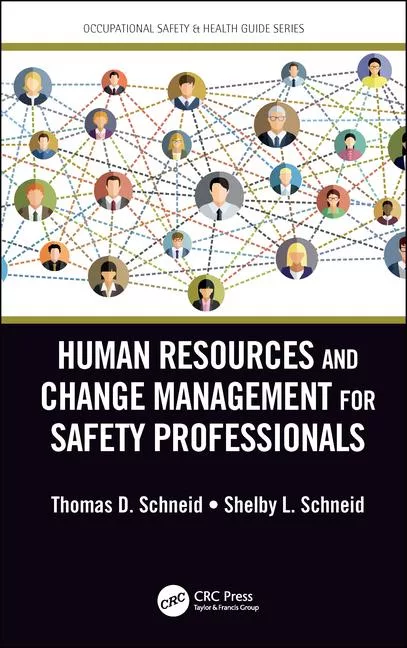
  • human resources.jpg

    Human Resources and Change Management for Safety Professionals

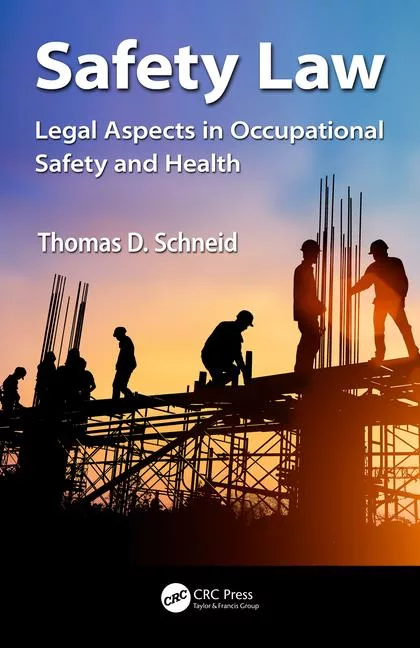
  • safety law.jpg

    Safety Law: Legal Aspects in Occupational Safety and Health

See More Products
×

Become a Leader in Safety Culture

Build your knowledge with ISHN, covering key safety, health and industrial hygiene news, products, and trends.

JOIN TODAY
  • RESOURCES
    • Advertise
    • Contact Us
    • Directories
    • Manufacturing Division
    • Store
    • Want More
  • SIGN UP TODAY
    • Create Account
    • eMagazine
    • Newsletters
    • Customer Service
    • Manage Preferences
  • SERVICES
    • Marketing Services
    • Reprints
    • Market Research
    • List Rental
    • Survey/Respondent Access
  • STAY CONNECTED
    • LinkedIn
    • Facebook
    • YouTube
    • X (Twitter)
  • PRIVACY
    • PRIVACY POLICY
    • TERMS & CONDITIONS
    • DO NOT SELL MY PERSONAL INFORMATION
    • PRIVACY REQUEST
    • ACCESSIBILITY

Copyright ©2026. All Rights Reserved BNP Media, Inc. and BNP Media II, LLC.

Design, CMS, Hosting & Web Development :: ePublishing