ISHN logo
search
cart
facebook twitter linkedin youtube
  • Sign In
  • Create Account
  • Sign Out
  • My Account
ISHN logo
  • NEWS
    • Today's News
    • Global Safety News
    • Government Regulations
  • PRODUCTS
    • Product Innovations
    • Featured Products
  • TOPICS
    • Environmental Health and Safety
    • Facility Safety
    • Workplace Health
    • Occupational Safety
    • PPE
    • More Topics
  • CONSTRUCTION
  • TECHNOLOGY
  • COLUMNS
    • Best Practices
    • Dave Johnson: What’s going on
    • Editorial Comments
    • Leading Safety
  • MULTIMEDIA
    • ISHN Podcast
    • Videos
    • Cold Stress Education Quiz
    • Webinars
    • White Papers
  • MORE
    • Buyer's Guide
    • Newsletters
    • Convention Companion
    • Polls
    • Events
    • ISHN Store
    • Sponsor Insights
  • EMAGAZINE
    • eMagazine
    • Archived Issues
    • Contact
    • Advertise
  • JOIN TODAY!
Today's Safety NewsEnvironmental Health and Safety

Retired miners risk losing health care, pensions

May 25, 2016

Health care and pension funds covering tens of thousands of retirees throughout the Appalachian and Midwestern coalfields are “rapidly deteriorating,” according to the United Mine Workers of America (UMWA).

That assessment comes after a report to the UMWA this week to the UMWA Board this week from Trustees of the UMWA Health and Retirement Funds and the Patriot Voluntary Employee Beneficial Association (VEBA).

“The Trustees made it abundantly clear that there is no more time to wait if these funds are to be preserved,” UMWA International President Cecil E. Roberts said. “With the current depression in the coal market the contributions to the 1974 Pension Fund have been cut by two-thirds from last year’s levels.

Congress lets coal companies stop paying

 “More and more companies are receiving approval from bankruptcy courts to stop paying into the 1974 Fund, which will cause that situation to only get worse,” Roberts said. “The 1974 Fund pays out over $600 million per year to 89,000 retired coal miners and widows – an average benefit of $560 per month. Cutting those benefits won’t save the Pension Fund. Only Congress can do that, by living up to our nation’s 70-year promise to these retired miners and their widows.”

 Roberts also noted that at least 21,000 retirees are at risk of losing their health care coverage at the end of the year due to the bankruptcies that have occurred in the coal industry in 2012 and 2015. “This situation is especially critical for them,” Roberts said. “The Trustees made it clear to us that they will have no choice but to send a letter in the next few months advising these senior citizens about the impending loss of their health care benefits.

"Kicked to the curb"

 “These miners worked for 25, 30, 40 or more years, always believing that the federal government would live up to the obligation it made to them in the White House in 1946 to guarantee retirement benefits,” Roberts said. “But they are now confronted with the very real possibility that this will be the first Congress to abandon that obligation in 70 years, making them feel as if they’ve been kicked to the curb.

 “Our members are running out of both time and patience,” Roberts said. “This is an urgent issue that we intend to address immediately, both in the coalfields and in Washington, D.C. We will be urging Congress to take action without delay, because there is no more time.”

KEYWORDS: coal industry miners safety and health umwa

Share This Story

Looking for a reprint of this article?
From high-res PDFs to custom plaques, order your copy today!

Recommended Content

JOIN TODAY
to unlock your recommendations.

Already have an account? Sign In

  • forklift safety

    Exploring the latest technologies in forklift safety

    With more staff and more stock in warehousing now more...
    Facility Safety
    By: Josh Cramer
  • welding

    All about welder’s flash or arc eye

    A flash burn is a painful inflammation of the cornea,...
    Environmental Health and Safety
  • dangerous jobs

    The 10 most dangerous jobs in the U.S.

    On-the-job deaths have been rising — hitting the highest...
    Government Safety Regulations
    By: Benita Mehta
Manage My Account
  • eMagazine Subscriptions
  • ISHN Newsletter & Other Newsletter Alerts
  • Online Registration
  • Manage My Preferences
  • Subscription Customer Service

More Videos

Sponsored Content

Sponsored Content is a special paid section where industry companies provide high quality, objective, non-commercial content around topics of interest to the ISHN audience. All Sponsored Content is supplied by the advertising company and any opinions expressed in this article are those of the author and not necessarily reflect the views of ISHN or its parent company, BNP Media. Interested in participating in our Sponsored Content section? Contact your local rep!

close
  • man wearing the the Sundström SR200 Full Face Mask Respirator
    Sponsored byOHD

    5 Fit Testing Mistakes That Could Cost You

  • This image shows Magid AcuSpex polarized blue mirrored safety glasses.
    Sponsored byMagid Glove and Safety

    Construction PPE Guide: What Crews Need for Each Task

  • lone worker in confined space
    Sponsored byAlphasense Ltd.

    GET THE LEAD OUT of your Safety Oxygen Sensors!

Popular Stories

SpaceX 7 launch

OSHA Investigating Fatal Fall at SpaceX Starbase

Worker Impairment

How to Tell When a Co-Worker is Impaired? A Safety Pro’s Challenge

Automated loading dock equipment

After March 2026 Rivian Death, Safety Managers Reassess Loading Dock Systems Under OSHA's Warehouse Emphasis Program

top 10 most dangerous jobs

Poll

Seasonal Readiness

With the federal heat stress prevention rule on the horizon, which area of your safety program needs the most attention?
View Results Poll Archive

Products

Surviving an OSHA Audit A Management Guide, 2nd Edition

Surviving an OSHA Audit A Management Guide, 2nd Edition

See More Products

ISHN Podcasts

Related Articles

  • Retired miners may get to keep promised health care benefits

    See More
  • 17 days until retired miners lose health benefits

    See More
  • Coal miners fear losing health benefits due to bankruptcies

    See More

Related Products

See More Products
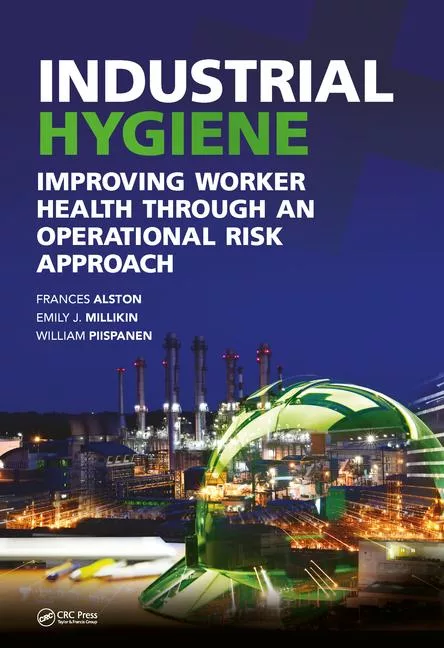
  • industrial hy.jpg

    Industrial Hygiene: Improving Worker Health through an Operational Risk Approach

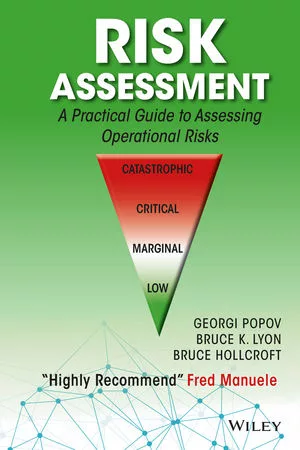
  • 1118911040.jpg

    Risk Assessment: A Practical Guide to Assessing Operational Risks

See More Products
×

Become a Leader in Safety Culture

Build your knowledge with ISHN, covering key safety, health and industrial hygiene news, products, and trends.

JOIN TODAY
  • RESOURCES
    • Advertise
    • Contact Us
    • Directories
    • Manufacturing Division
    • Store
    • Want More
  • SIGN UP TODAY
    • Create Account
    • eMagazine
    • Newsletters
    • Customer Service
    • Manage Preferences
  • SERVICES
    • Marketing Services
    • Reprints
    • Market Research
    • List Rental
    • Survey/Respondent Access
  • STAY CONNECTED
    • LinkedIn
    • Facebook
    • YouTube
    • X (Twitter)
  • PRIVACY
    • PRIVACY POLICY
    • TERMS & CONDITIONS
    • DO NOT SELL MY PERSONAL INFORMATION
    • PRIVACY REQUEST
    • ACCESSIBILITY

Copyright ©2026. All Rights Reserved BNP Media, Inc. and BNP Media II, LLC.

Design, CMS, Hosting & Web Development :: ePublishing